


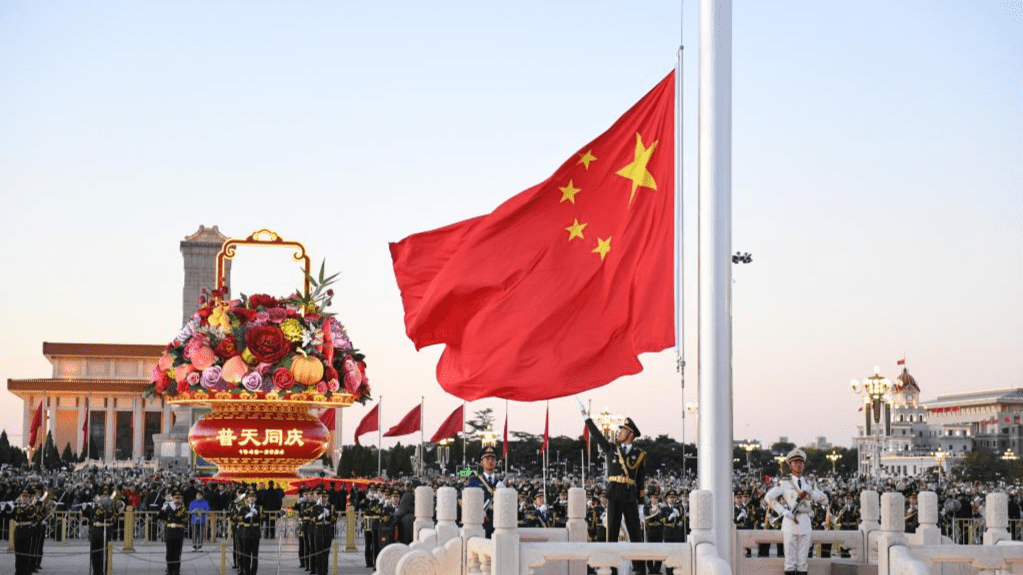
As China marks the 75th anniversary of the founding of the People’s Republic, its remarkable transformation from widespread poverty to global economic power offers valuable lessons for other nations. It is a story of vision, resilience, and long-term planning that has reshaped not only China but also global development.
From Poverty to Progress
In 1949, China was one of the poorest nations on earth, with a predominantly rural population living under subsistence conditions. Over the decades, through determined leadership and national mobilisation, it pursued industrialisation, infrastructure development, and human capital investment.
A major turning point came with reforms that opened up the economy, encouraged innovation, and linked national growth to poverty reduction. This combination created one of the most rapid economic and social transformations in modern history.
Targeted Poverty Alleviation
Perhaps China’s most outstanding achievement is the eradication of extreme poverty by 2020. Central to this was a targeted poverty alleviation strategy, which identified households in need, analysed their specific challenges, and tailored solutions accordingly. Interventions ranged from agricultural support and skills training to relocation and infrastructure expansion.
This approach ensured precision, accountability, and measurable impact. By 2020, nearly 100 million people were lifted out of poverty, an achievement recognised globally as unprecedented in scale.
Sustaining Growth Through Rural Revitalisation
China recognised that poverty eradication was only the first step. To make progress irreversible, it launched a rural revitalisation programme aimed at building sustainable livelihoods. This included better education, healthcare, modernised agriculture, and digital access for rural areas. The focus was not only on economic growth but also on long-term community development and social stability.
Technology and Innovation as Drivers
China’s investment in science, technology, and education has been central to its rise. By prioritising innovation, whether in high-speed rail, digital infrastructure, renewable energy, or artificial intelligence, it has built industries that support both national competitiveness and social development. Technology has also been used to close gaps in healthcare, education, and rural connectivity.
Key Lessons for Africa
Long-Term Planning: Development requires a clear, multi-decade vision consistently implemented.
Data-Driven Poverty Reduction: Targeted interventions are more effective than broad programmes.
Infrastructure as a Foundation: Roads, power, water, and digital access are essential for growth.
Agricultural Transformation: Empowering farmers with land, technology, and markets boosts rural incomes.
Special Economic Zones: Investor-friendly hubs can drive industrialisation and jobs.
Education and Skills: Investment in STEM, vocational training, and research builds competitiveness.
Governance and Accountability: Strong institutions ensure policies translate into results.
From Poverty Relief to Prosperity: Development must build resilient communities for future generations.
A Universal Story of Transformation
China’s journey shows that development is not accidental. It is the product of deliberate planning, disciplined execution, and people-centred policies. For Africa and the wider world, the lesson is clear: transformation is possible when vision is matched with commitment, innovation, and inclusive growth.