


The Centre for Information Technology and Development (CITAD) has urged a review of Nigeria’s digital policies to integrate gender equality and climate justice as part of efforts to build a more inclusive and sustainable digital economy.
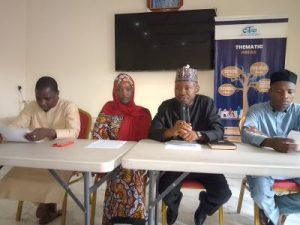
Speaking at a press conference in Kano, the project lead, Fatima Babakura, said CITAD, with support from the Association for Progressive Communications (APC), is implementing a project titled Greening and Feminist Centring of the National Digital Transformation Agenda.
She explained that the project combines research and stakeholder consultations to mainstream feminist principles and climate-conscious strategies in Nigeria’s digital space.
According to her, “Nigeria’s digital economy is expected to contribute 10 per cent of GDP by the end of 2025, but this growth faces threats from climate-related losses already costing the country an estimated 2 per cent of GDP annually.”
Babakura added: “Persistent gender inequalities also remain a barrier, as women are 12.5 per cent less likely to access the internet and make up just 22 per cent of jobs in STEM fields.”
She said the project aims to raise awareness of these gaps and push for a review of existing policy documents to promote inclusivity and sustainable growth.
CITAD noted that women and girls are disproportionately affected by climate change, food insecurity, and poverty, yet their voices are under-represented in decision-making on digital and environmental policies.
“Investing in women is both a moral duty and an economic strategy,” Babakura stressed, citing research that women’s empowerment could increase agricultural productivity by as much as 25 per cent.
She recalled: “Last month, CITAD hosted a national webinar on ‘Examining Nigeria’s Gender and Climate Justice Spectrum: Exploring the Gaps in our Digital Policy Networking.’ The event drew policymakers, activists, and civil society actors who discussed embedding gender-sensitive and climate-focused approaches into the National Digital Economy Policy (2020–2030).”
Babakura said the project would continue to engage policymakers and communities across Nigeria, advocating for evidence-based reforms that can close the gender digital divide and promote climate-resilient digital innovation.
“We must rethink Nigeria’s digital future to make it greener, fairer, and more inclusive
“The negative impacts of technology on our environment cannot be ignored. Urgent action is needed to secure the planet while ensuring digital transformation benefits all Nigerians.” She added.