


A coalition of stakeholders at the Gender and Inclusion Summit 2025 (GS-25) in Abuja has renewed calls for the passage of the Reserved Seats for Women Bill.
The coalition described the bill as a corrective measure to address Nigeria’s position as the lowest-ranked country in Africa in terms of female representation in parliament.
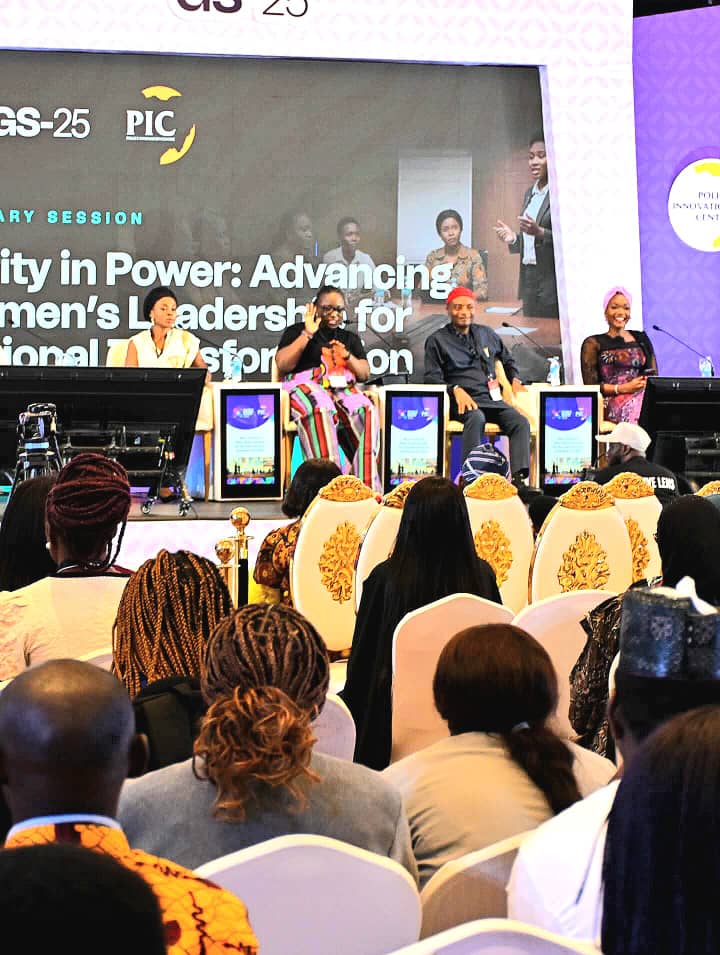
Explaining the core of the Bill, during a Plenary session, themed “Parity in Power: Advancing Women’s Leadership for National Transformation,” the convener of the Reserved Seats Coalition and CEO of TOS Group, Osasu Igbinedion-Ogwuche, said it was designed to expand women’s voice in governance.
Igbinedion-Ogwuche said; “What is the Reserved Seats for Women’s Bill, known as HB 1349 and SB 440? It basically seeks to add additional seats in the national and state houses of assemblies for women only to contest.”
She explained that “the Bill would add 37 seats to the House of Representatives, 37 to the Senate, and three per state assembly across the federation.
“Why is this important? Is it tokenism? The answer is no, it’s not tokenism. Nigeria actually ranks the lowest across Africa in terms of female representation in parliament.”
“Nigeria actually ranks the lowest across Africa in terms of female representation in parliament… we have less than 4% representation of women in Nigeria’s federal parliament. in the House of Representatives, 14 out of 360 members are women. In the Senate, only four out of 109 members are women. So this is not representative of the people we claim to be. So more has to be done to shore up that number, those numbers,” Igbinedion-Ogwuche explained.
Senior Special Adviser on Legislative Affairs to the Deputy Speaker, House of Representatives, Dr. Chidozie Aja reflecting on the lessons from the failed previous gender bills, said, “In the 9th Assembly, parliamentarians did not get enough information on the intent of the bill. The bill was grossly misunderstood, and the language of advocacy then did not appeal to the conscience of legislators.”
Advocacy Approach
Aja noted that the current advocacy approach was more strategic and persuasive as “Parliamentarians are not being compelled, but they are being appealed to. With that, there is an increase in the number of parliamentarians interested in the progress of this bill,” .
Civil society voices in the Plenary moderated by Adaora Sydney-Jack, South-East Zonal Coordinator for the Reserved Seats Campaign Coalition, also underscored the importance of mass awareness and ownership.
The Executive Director of Invictus Africa, Bukky Shonibare lamented the low level of knowledge among Nigerians about the Bill.
“How could we advocate for something that we don’t know about? The reserved seat bill is online. Go and search for it. Once we finish from here, go online, download it, and look at what it seeks,” she stated.
She reminded participants that the Bill was a “temporary special measure” designed to run for four electoral cycles.
“After 16 years, we will review whether the purpose has been achieved. If it has, the bill will be removed. So it is not permanent, but corrective,” she clarified.
South South Zone
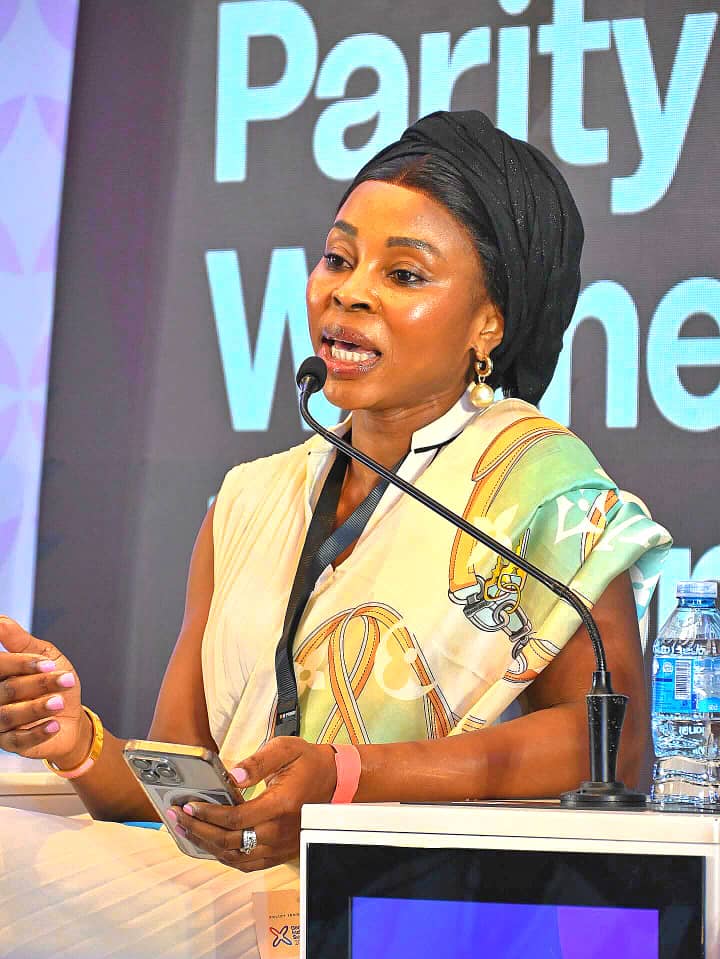
From the grassroots reach and impacts perspective, South-South campaign coordinator Ebi Elezieanya shared experiences from the coalition advocacy outreach in the South-South Zone.
“We started working, not just with the First Ladies, but with every Commissioner of Women Affairs in the states. We had the traditional rulers, the market women, the student unions. This was the formation we used across all states,” she said.
Elezieanya also noted the progress in correcting misinformation.
“People thought some legislators would be unseated, but we explained that these are additional seats for women only. The joy I feel is that a lot of women are interested in the reserved seats for women. This is a corrective bill. It must pass,” she declared.
Greater Ownership
Contributions from the Summit participants also called for greater ownership of the campaign by women themselves.
“Why are you not learning about the bill? You have to read it, you have to know it, you have to advocate it, you have to turn up for the hearing itself. Support the woman, support the nation. Leave the woman, lose the election,” one participant, Glory Ohagwu said.
Similarly, the South-East Zonal Coordinator for the Reserved Seats Campaign Coalition, Adaora Sydney-Jack, who moderated the plenary also re-echoed the importance of mass awareness and ownership; reiterating that the Bill is not just a women’s issue but a nation-building imperative.
“When women get involved in decision-making, we see better education systems, better health care, and stronger social amenities. This bill is about Nigeria’s future,” Sydney-Jack stressed, urging mass turnout for the September 22 national hearing and sustained advocacy ahead of the October vote.
The push for the Reserved Seats Bill, aligns squarely with President Bola Tinubu’s Renewed Hope Agenda, which places a high premium on women’s representation, participation and contribution to national development.
The agenda underscores that women’s inclusion in governance is not just a question of fairness but a catalyst for sustainable national transformation.
Confidence Okwuchi