


, Senator Magnus Abe, has)
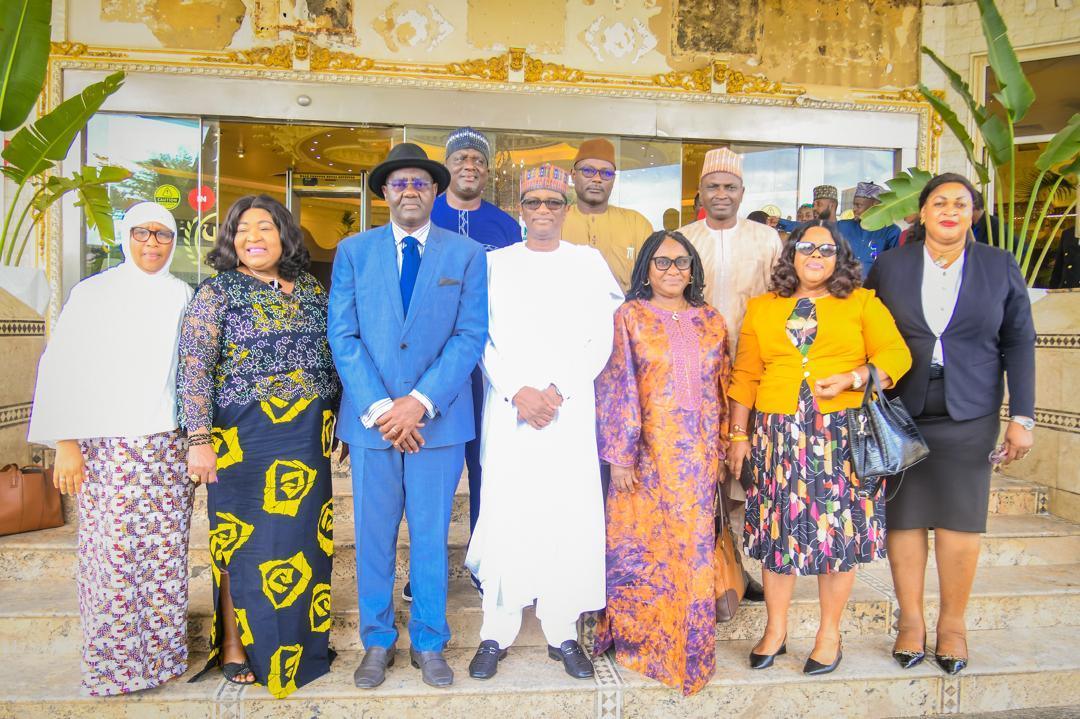
The Chairman of the National Council for the Great Green Wall (NAGGW), Senator Magnus Abe, has unveiled a strategic agenda aimed at combating desertification and promoting sustainable development across Nigeria’s dry land regions.
Speaking at the Induction and Familiarisation Programme for new board members of the NAGGW, held in Abuja under the theme: “Green Leadership, Good Governance: Aligning Roles for Environmental Impact,” Sen. Abe pledged to uphold integrity, transparency, and accountability in steering the affairs of the Council.
Sen. Abe emphasised the importance of transforming the Agency into a hub for green jobs and sustainable livelihoods through initiatives such as agroforestry, renewable energy, water harvesting, and land restoration.
“Millions of Nigerians depend on the programme’s success of the Great Green Wall initiative as “a vision of survival, resilience, and hope, to reclaim degraded lands, rebuild livelihoods and strengthen climate resilience.
“The Great Green Wall represents far more than tree planting. It embodies a national mission to restore the environment, foster peace, and alleviate poverty in communities threatened by desertification and drought”, he explained.
Senator Abe expressed deep appreciation to President Bola Tinubu and the Minister of Environment for the trust reposed in him.
READ ALSO: Great Green Wall: Nigeria signs MoU with the Netherlands
Also speaking at the event, the Director General of the NAGGW, Saleh Abubakar, welcomed the inauguration of the third Council as a renewed call to service.
He noted that the Council’s formation comes at a critical time when the nation and the world at large are grappling with severe environmental challenges, including desertification, drought, and food insecurity, challenges which threaten the lives and livelihoods of millions.
Abubakar urged Council members to demonstrate green leadership characterised by empathy, foresight, and scientific innovation.
The Director General further stressed the need to align the Agency’s vision with actionable outcomes that bring tangible benefits to vulnerable communities.
He reaffirmed the agency’s commitment to transparency, collaboration and community-driven action, adding that the Great Green Wall must stand as a symbol of good governance and environmental stewardship for generations to come.
In his presentation, Mr Sylvester Aroboi Okonofua, who spoke on “Overview of the Agency’s Establishment Act, 2015 and the Role of NAGGW/Management”, emphasised the importance of improving working conditions for the Agency’s staff.
He advocated for a comprehensive review of the Act establishing the NAGGW to strengthen its legal and operational framework.
The event marks a pivotal moment in the journey of the Great Green Wall initiative in Nigeria, as the newly inducted Council takes the helm with a renewed sense of purpose and responsibility to advance environmental sustainability and socioeconomic resilience in affected regions across the country.