


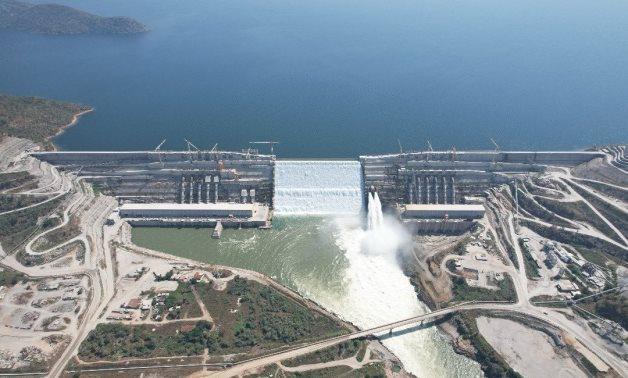
Egyptian authorities have accused Ethiopia of reckless and unilateral management of the Grand Ethiopian Renaissance Dam, GERD, after sudden water releases were linked to severe flooding in Sudan, sparking concerns for Egyptian lives and farmlands.
In a statement, Egypt’s Ministry of Water Resources and Irrigation described Ethiopia’s actions as a violation of international law, warning that the “unilateral measures” in operating the “illegal dam” pose a direct threat to the security of downstream countries.
Egypt further charged that Ethiopia’s conduct “exposes the falsehood” of its claims of causing no harm to neighbours.
The GERD, inaugurated by Ethiopia on September 9, is Africa’s largest hydroelectric facility, built on the Blue Nile with a reservoir capacity of 74 billion cubic metres.
Egypt alleges that Ethiopia opened the dam’s gates without prior coordination, a move that, combined with heavy rainfall, submerged Sudanese villages and farmlands.
In response, Egyptian authorities have activated emergency measures. Prime Minister Mostafa Madbouly warned that water levels could continue rising through October, threatening northern governorates.
Local officials in Beheira and Monufia have ordered evacuations of riverside communities, with reports of floodwaters already submerging parts of Ashmoun District.
Meanwhile, Foreign Minister Badr Abdelatty stressed that Egypt “retains its full right to defend its water interests by all means,” underlining the deepening diplomatic tensions over the Nile’s waters.
Ethiopia, however, has consistently maintained that the GERD is a sovereign project aimed at providing electricity for its population and fuelling regional development.
Addis Ababa insists the dam will not cause significant harm to downstream states and argues that it represents a fair and equitable use of the Nile’s resources.