


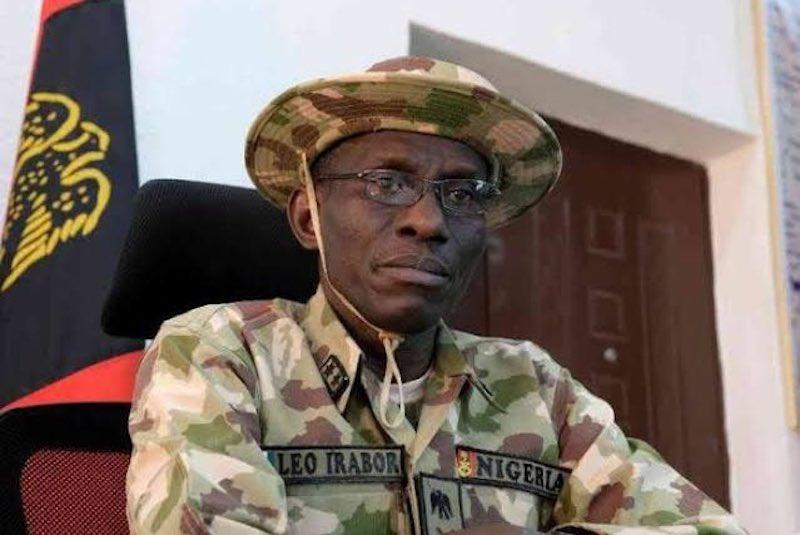
A former Chief of Defence Staff, General Lucky Irabor (Rtd), has emphasized the need to tackle the underlying structural factors driving insecurity in Nigeria to prevent a recurrence of past mistakes.
He made the call during an interview with Voice of Nigeria, VON in Abuja, following the unveiling of his new book titled “Scars: Nigeria, the Journey and the Boko Haram Conundrum.”
General Irabor described the publication as a “painfully honest reflection” on his over 15 years of active service at tactical, operational, and strategic levels in Nigeria’s counter-terrorism operations, particularly against insurgency in the North East.
According to him, “the idea of Scars was driven by the realisation that Nigeria’s security problems are “deeper than what manifests on the surface” and are rooted in historical patterns that keep repeating from inability to learn from our past.
“There are deeper issues than what you see manifest in the sense of security problems. They have predicted the various occurrences on our developing path.”
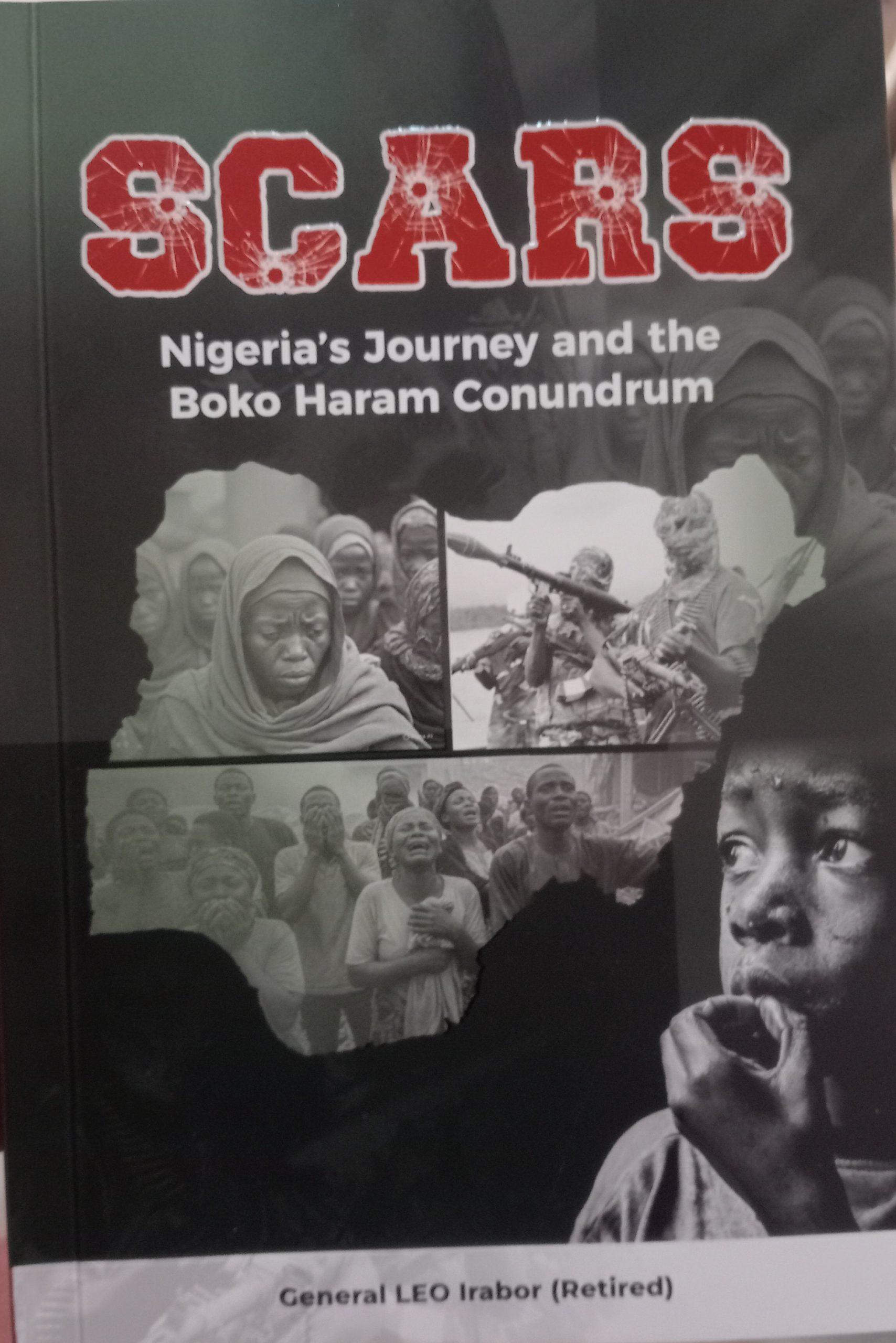
General Irabor also stated that the scars of war are both national and personal, reflecting the human cost of insecurity on soldiers, families, and communities across the country.
He explained that the motivation to write Scars came from observing a growing disconnect between those in leadership, sections of the public, and the realities of Nigeria’s security landscape.
“I wasn’t convinced they were knowledgeable or aware of the associated issues.When you see social media narratives and juxtapose them with realities at the frontlines, there’s a clear mismatch,” General Irabor explained.
He emphasised that the book is not an attempt to settle scores but to preserve hard lessons for future generations. “Problems will never cease.
“But what is bad is for problems to recur. It appears we are not learning from history.”
General Irabor cited historical records dating back to the pre-independence era to demonstrate that Nigeria’s divisions are longstanding.
He said; “Our problems are iterative. How can we put an end to them if we don’t even understand their origins?”
General Irabor also described Nigeria’s security situation as both a leadership and societal responsibility issue.
“In life, the good, the bad and the ugly exist. Criminals will always promote what they see as their calling. But the people who are good must ensure they expose the criminals. If they don’t, their own lives are at risk,” he said.
Speaking on a personal note, General Irabor recounted the heavy emotional toll of war.
“Apart from the scars of war which I see physically on my body, there are emotional scars. I have superintended over thousands of troops. I’ve walked through hospitals, seen families broken. Even my family, at times, did not get the timely support they needed from me,” he said.
General Irabor noted that “many of these experiences remain indelible, from the death of young soldiers at the frontlines to the grief of families left behind.
“Those are scars. “They never leave.”
General Irabor also addressed Nigeria’s youth, urging them to pair their passion for change with a deeper understanding of history.
He urged the younger generation to approach leadership with responsibility and knowledge.
“One day, they will grow into the very positions they now criticize. It must be from a position of knowledge and responsibility,” he added.
“Scars concludes with a warning and a call for national reflection, “You cannot solve a problem from the same mindset that created it,” he said, quoting Albert Einstein. “You must first understand what gave rise to it.”