


A leading academic in Oral and Maxillofacial Surgery at the University of Ibadan, Professor Victor Ifeolu Akinmoladun, has identified pro-inflammatory diets and persistent inflammation as major contributors to the development of oral cancer.
Delivering the institution’s 582nd inaugural lecture titled “The Scalpel and the Laboratory: Collaboration Against the Lawless”, Professor Akinmoladun highlighted the dangerous link between modern dietary habits and the increasing incidence of oral and head and neck cancers.
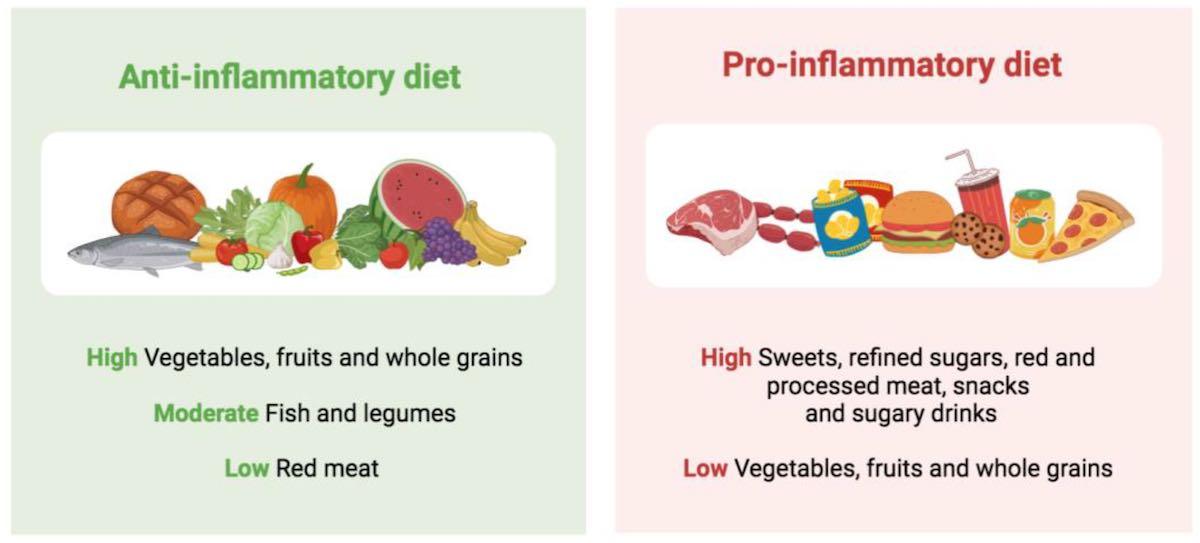
“Sugary drinks, refined carbohydrates, processed meats, and fried foods all promote inflammation, which in turn drives oral carcinogenesis,” he warned.
Cancer: A Global Public Health Emergency
Professor Akinmoladun described cancer as a growing public health, societal, and socioeconomic concern in the 21st century.
Citing global statistics, he noted:
- Cancer accounts for three in every ten premature deaths from non-communicable diseases (NCDs) among individuals aged 30–69;
- It is responsible for one in six deaths globally, and one in four deaths from NCDs.
“Head and neck cancers, including oral cancers, now rank between the 6th and 10th most common cancers worldwide,” he added.
Inflammation and Cancer: A Deadly Alliance
Drawing a powerful analogy, Professor Akinmoladun described the relationship between inflammation and cancer as akin to a conspiracy between “two unlawful elements working together to achieve a harmful outcome”.
He explained that:
- Chronic inflammation produces cytokines and other cellular mediators, which can initiate and promote tumour growth;
- Many cancers are sustained by inflammatory processes, with oral and head and neck cancers being significantly impacted.
Prevention Through Diet, Micronutrients, and Lifestyle Changes
The professor emphasised that diet and micronutrient intake are critical to prevention. He stated that fruits and vegetables offer protective benefits against cancers of the stomach, oesophagus, lung, oral cavity, pharynx, and colon.
He also highlighted the importance of:
- Micronutrients such as zinc, copper, and selenium;
- Antioxidants and vitamins, which protect DNA from free radical damage and support mucosal integrity;
- Supplements that support single-carbon metabolism and antioxidant defences;
- Lifestyle changes, including the avoidance of alcohol and tobacco use.
“Cancer is not always the result of a failed immune system, but an impaired system can greatly contribute to its development. Understanding these interactions forms the basis for modern immunotherapies,” he noted.
Data Scarcity in Nigeria
Professor Akinmoladun lamented the paucity of data on oral cancer in Nigeria, stating that figures on disease burden and survival rates remain difficult to obtain.
“We must prioritise research, documentation, and early detection if we are to respond effectively to the growing threat of oral cancer in Nigeria,” he concluded.
The lecture drew scholars, medical professionals, students, and members of the public, reinforcing the urgent need for collaborative action between the surgical and laboratory sciences in confronting cancer as a national health crisis.
Daily Post