

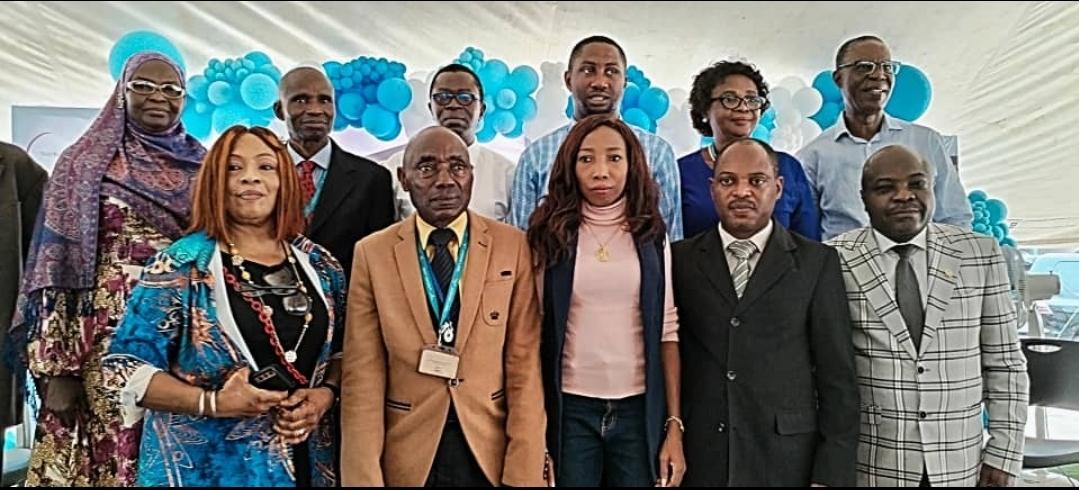
Health advocates and stakeholders have renewed calls for intensified awareness, accurate genotype testing, and stronger regulation to reduce Nigeria’s sickle cell burden.
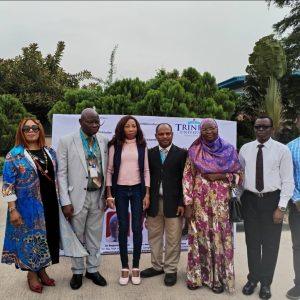
The founder and president of the Gail Sickle Initiative (GSI), Oluwafemi Ajayi, made the appeal during a Sickle Cell Alma Awareness programme for students of Trinity University in Lagos.

Ajayi urged Nigerians to prioritise genotype compatibility before marriage, describing it as a critical step in preventing avoidable cases of sickle cell disorder.
She warned against the misconception that faith can alter genetic outcomes, stating that informed decisions must guide relationships.
Read Also: Organisation Calls for Stronger Sickle Cell Awareness in Nigeria
While affirming that people living with the disorder have the right to marry, she advised couples with incompatible genotypes to consider adoption rather than childbirth.
Sharing her personal experience with the condition, Ajayi decried the pain and workplace stigma faced by patients and called for stronger collaboration among government, researchers, policymakers and healthcare professionals, with greater patient inclusion in research and policy design.
Echoing her position, medical experts emphasised the importance of proper counseling and accurate testing.
Dr. Ben Adegunle advised intending couples to confirm their haemoglobin genotype through ISO-certified laboratories before marriage.
Similarly, the National Director/CEO of the Sickle Cell Foundation Nigeria, Anete Akinsete, called for stricter regulation of laboratories, warning that inaccurate test results have led to devastating consequences for families.
She urged the government to establish clear management guidelines and strengthen public-private partnerships to boost nationwide awareness.
Stakeholders also stressed the need to end stigma.
Mrs. Abiola Alade, a mother living with the disorder, appealed for compassion and inclusion, urging caregivers and the public to take patients’ pain seriously.
In their remarks, the Registrar of Trinity University, David Olubukola Oyejide, and Dr. Ante Bassey expressed optimism that educating students—many yet to make marital decisions—would help prevent future cases.
They reaffirmed the university’s commitment to promoting an inclusive environment and encouraged young Nigerians to champion genotype awareness as a practical step toward reducing the spread of the disorder.