


A Consultant Family Physician, Dr Matthias Kwenin, has emphasised the importance of love, care and consistent family support in the effective management of dementia.
Dr Kwenin, who is also the Medical Director of Right Results Diagnostic Centre, made this known in an interview on Monday in Lagos.
He highlighted the central role of families in providing day-to-day care for individuals living with dementia, noting that they are often the first point of contact and must prioritise “support, communication, respect, love and understanding”.
He stressed that professional caregivers must also approach their work with “deep compassion, mutual love, and commitment” to ensure better outcomes for dementia patients.
“Families must create a peaceful and loving environment to help reduce the negative effects dementia can have on relationships and home life,” Dr Kwenin said.
Read Also: Expert Links Pro-Inflammatory Diets to Oral Cancer
Describing the family as the bedrock of society, he noted that providing love and support is crucial to both the prevention and management of dementia in Nigeria.
Dr Kwenin warned that dementia not only causes emotional and physical harm to the patient but can also disrupt family stability.
“To improve dementia care, families must adopt practices rooted in love, compassion and understanding,” he said.
“Families and caregivers must protect, inspire and nurture dementia patients to give them a chance to survive and manage their condition.
“Sometimes, dementia patients display frustrating behaviour, but it’s vital that families prioritise supportive care above all else.”
Also speaking, Inclusion Advocate and Executive Director of MASC Care Home, Ms Busola Shogbamimu, called for increased public awareness and education on dementia care for families, caregivers, law enforcement, and society at large.
She expressed concern that many families were failing to support dementia patients effectively, often due to cultural misconceptions.
“Cultural beliefs remain a significant barrier, as many still associate dementia with witchcraft, spiritual attacks or incantations,” she said.
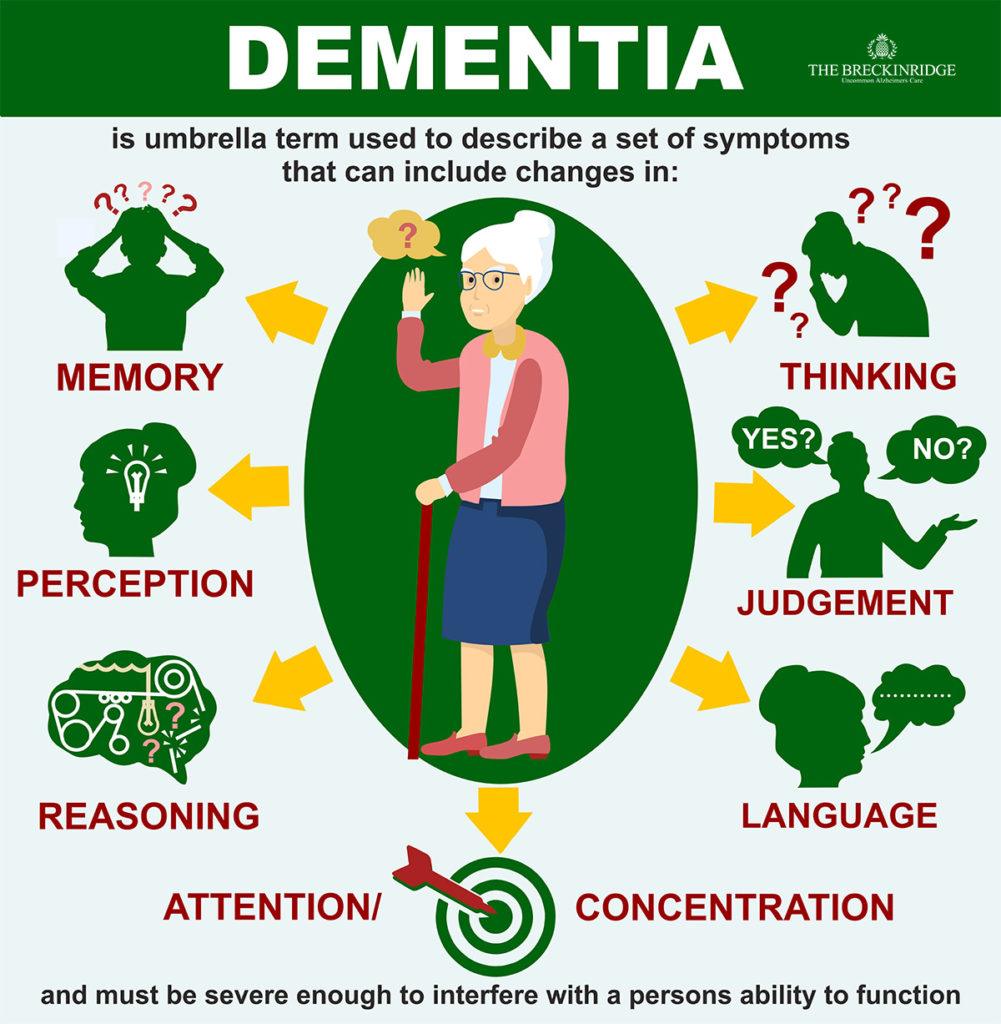
Shogbamimu described dementia as a brain disorder that affects behaviour, social interaction, and relationships, stressing that while it is a progressive and incurable disease, early intervention can slow its progression.
“Beating elderly people or calling them witches due to dementia symptoms is wrong and harmful,” she said.
“Unusual behaviour, confusion or talking to oneself among the elderly may be signs they need care, not condemnation.”
She urged widespread education across all sectors to improve dementia care and eliminate stigma.
NAN