

The Food and Agriculture Organisation of the United Nations (FAO) states that it is intensifying its efforts to strengthen food security, create employment opportunities, and build resilience among vulnerable communities in northeast Nigeria.
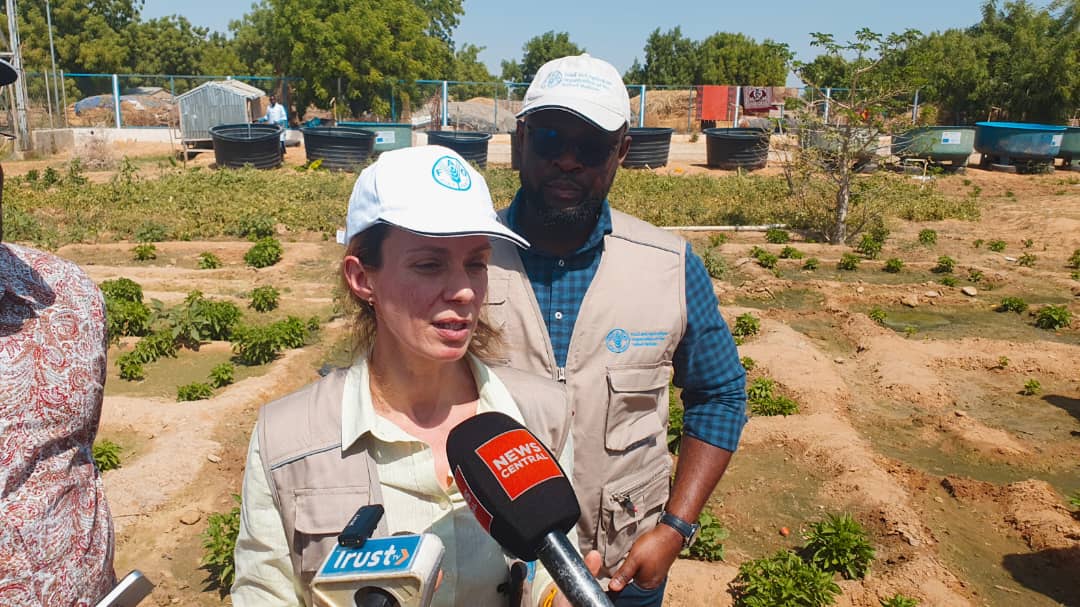
Speaking during a field visit to the Gongulong community in Maiduguri, Borno State, Dunja Dujanovic, Senior Emergency and Rehabilitation Officer with FAO’s Office of Emergency and Resilience (OER), described the intervention as an integrated agricultural project that has been transforming livelihoods since 2019.
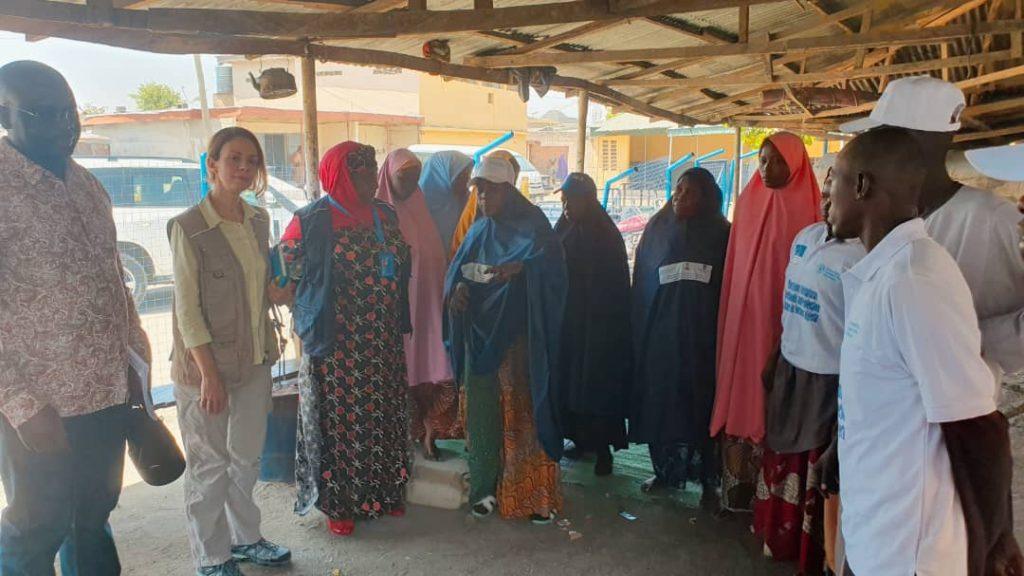
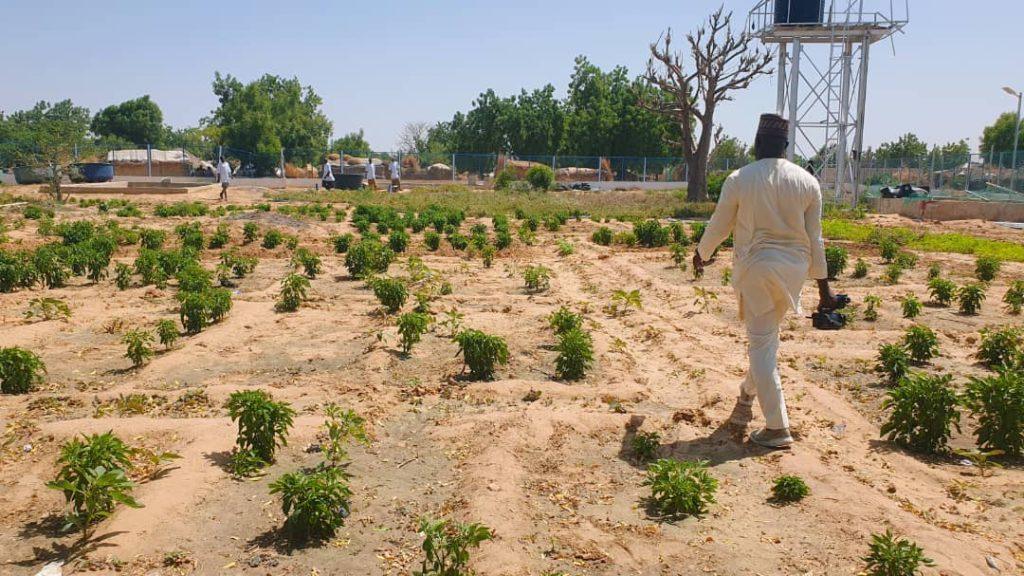
According to her, the initiative combines crop production and aquaculture, enabling communities to jointly cultivate food crops, while also engaging in fish farming.

The fish produced is sold to private sector investors and to a food processing centre, where it is used as a key ingredient in fortified porridge aimed at preventing child malnutrition.
Dujanovic explained that the intervention forms part of FAO’s three-year Emergency and Resilience Plan in Nigeria, which aligns with the organisation’s global strategy to reduce acute hunger worldwide. She noted that Nigeria remains one of FAO’s top priority countries due to the scale of food insecurity challenges.
She emphasised the importance of coordination among government institutions, development partners and other stakeholders to ensure that investments are aligned and sustainable solutions are implemented. Recent engagements in Abuja and at the state level, she said, have focused on identifying practical, agriculture-driven solutions capable of transforming the food crisis and narrowing the food security gap.
Also speaking, Jimmy Owani of FAO’s Office of Emergency and Resilience noted that the organisation has worked closely with the Nigerian government since the late 1970s.
He said the current focus is on scaling up pilot initiatives and strengthening partnerships with donors and international financial institutions.
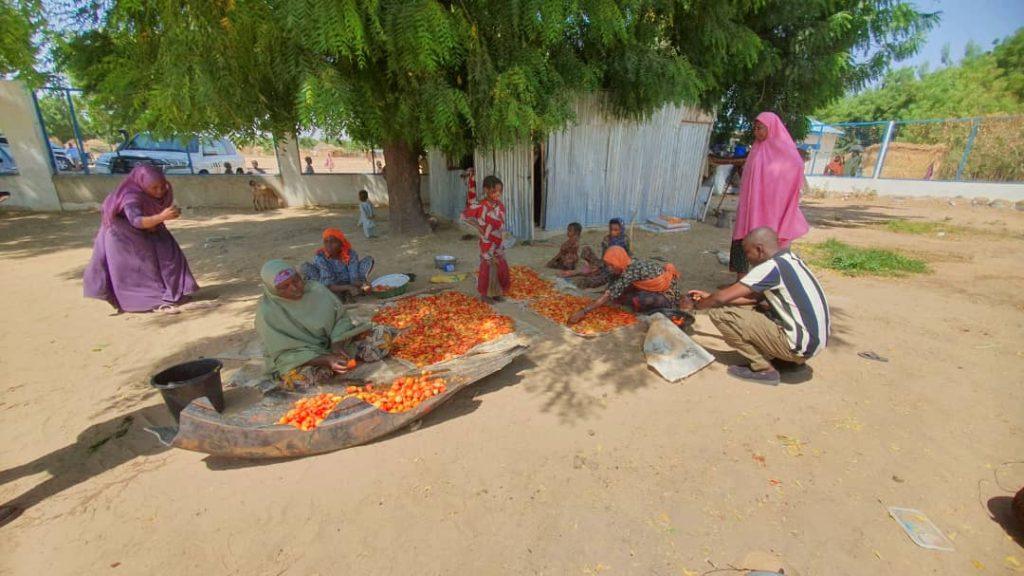
Owani highlighted value addition as a critical component of the strategy, explaining that developing stronger agricultural value chains would help create jobs for youth and women while addressing unemployment.
He added that FAO’s efforts align with the government’s broader goal of creating 21 million jobs and lifting 35 million Nigerians out of poverty.