

The Federal Inland Revenue Service (FIRS) of Nigeria says the recent modifications to the country’s tax laws are necessitated by the inadequacies of the previous legal framework.
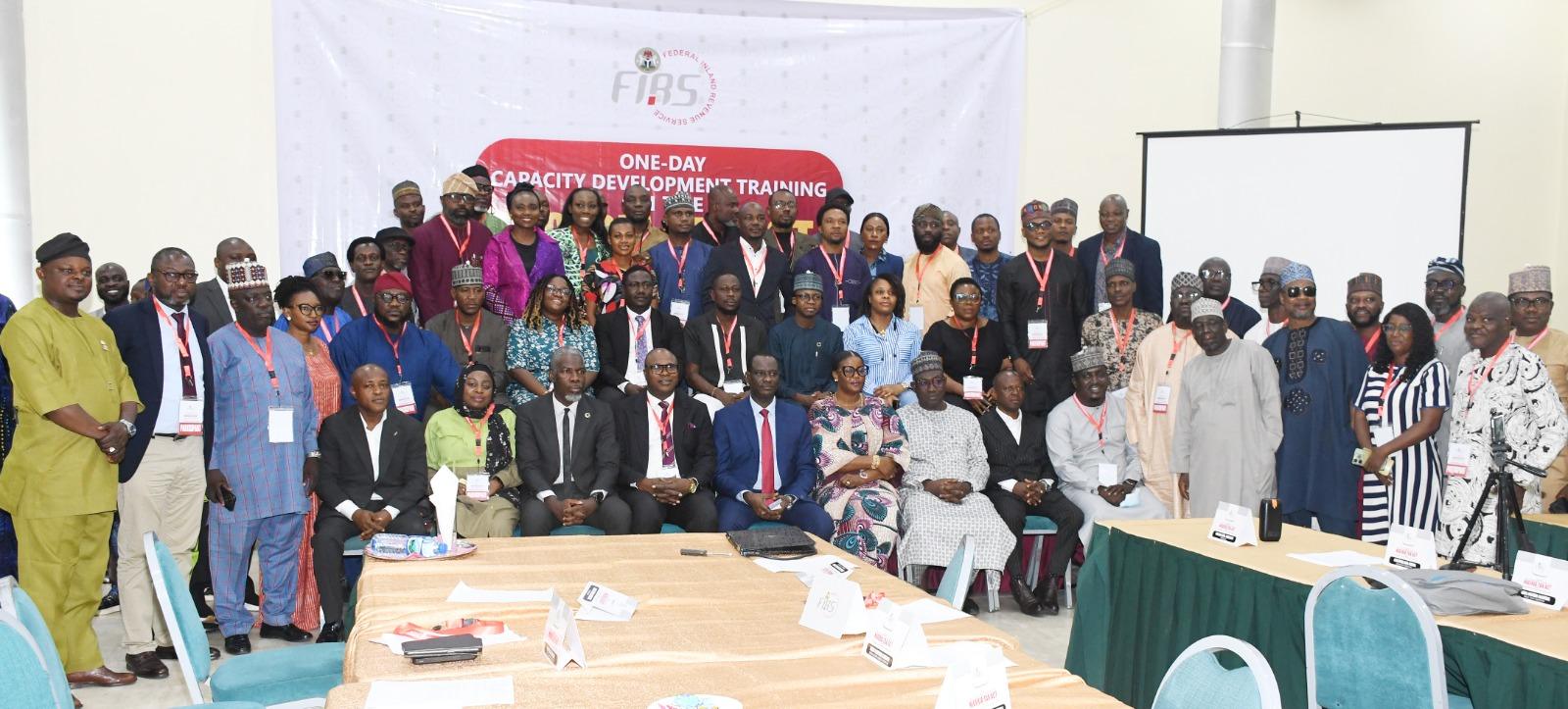
The Director of the Field Operation Monitoring Department of the Federal Inland Revenue Service (FIRS), Mathew Osanekwu, stated this in Abuja during a seminar on the new tax regulations organised by the agency for journalists assigned to cover the State House.
Osanekwu explained that the modification was based on what is known in taxation as the pyramid of maturity, a model that defines the stage of development of each country’s tax system.
He said; “The decision was taken to change the laws to drive efficiency and modernisation in our tax landscape. As we modernise the law, it streamlines operations and also efficiency.
“We will observe that our tax laws and our tax system are not there yet because there are five levels of how you measure a tax administration and these levels are called the pyramid of maturity. The first level is called emerging; a tax system that is still emerging is manually driven.”
“The next stage in that pyramid is called progressive; this is where you combine both manual and some level of technology, the next stage is where Nigeria currently stands, where you use systems to drive your tax system.
“At this stage, you are beginning to invest more by infusing modernisation in your tax system. Here, digitisation brings about new changes in your tax system.
“The last one is what you call optimisation, which is where all the tax system is driven by technology. Here you have e-government, e-tax, etc so we are now going towards that direction,” Osanekwu said.
Furthermore, the FIRS Director of Field Operation Monitoring stated that with the new tax regime, Nigerian tax laws have been simplified in clear language that would be understood by citizens.
“Our tax laws are also being simplified because they were written many years ago with obsolete language that is not easy to understand but now the laws are being simplified,” he stressed.
Osanekwu said the new tax laws would also enhance coordination about tax matters between the federal and State governments.
“The new tax laws will ensure there is coordination between the federal government and the sub-nationals. This will strengthen the entire system and also reduce challenges,” he stressed.
He also said based on the provisions of the new laws, if a state or local government refuses to remit revenue it collected, the office of the Accountant General of the Federation can deduct the unremitted amount from the source.