

As a child growing up in Guria, western Georgia, Lika Megreladze watched her mother devote decades to tea science at the Soviet Institute of Tea and Subtropical Crops in Anaseuli. Back then, tea wasn’t just a crop—it was a cornerstone of daily life, and Georgia was a major supplier for the Soviet Union’s vast appetite for tea.
“This was just my mum’s job when I was little,” Megreladze recalls. “Only later did I understand how important it really was.”
Today, the once-thriving institute stands in ruins—abandoned halls strewn with faded documents, and a toppled statue of Lenin slowly reclaimed by weeds in the courtyard. Across Guria’s lush hills, once-manicured tea plantations have grown wild, and the echoes of productivity in vast tea factories have given way to silence.
Tea arrived in Georgia in the early 1900s via a Chinese agronomist invited by Tsarist Russia. Guria’s subtropical climate proved ideal, and the region quickly became the Soviet Union’s tea heartland. But with Georgia’s independence in 1991 came turmoil—the collapse of the USSR and civil unrest devastated the economy. Cheap Asian tea flooded the market, electricity cuts halted production, and factories were stripped for parts. By 2016, Georgian tea production had plummeted by 99% from its Soviet-era peak.
“The institute died with the Soviet Union,” Megreladze said. “Georgia was still too young to rescue such a massive industry.”
Yet three decades later, a revival is quietly brewing. Entrepreneurs like Nika Sioridze and Baaka Babunashvili are breathing new life into abandoned plantations. Backed in part by government grants, their company, GreenGold Tea, is restoring tea fields around Ozurgeti, Guria’s regional capital.
Working out of a repurposed Soviet-era silk factory, they’re crafting high-quality teas aimed at both local and European markets. “For 40 years, this place was just a jungle,” Sioridze said of the overgrown fields they’ve reclaimed.
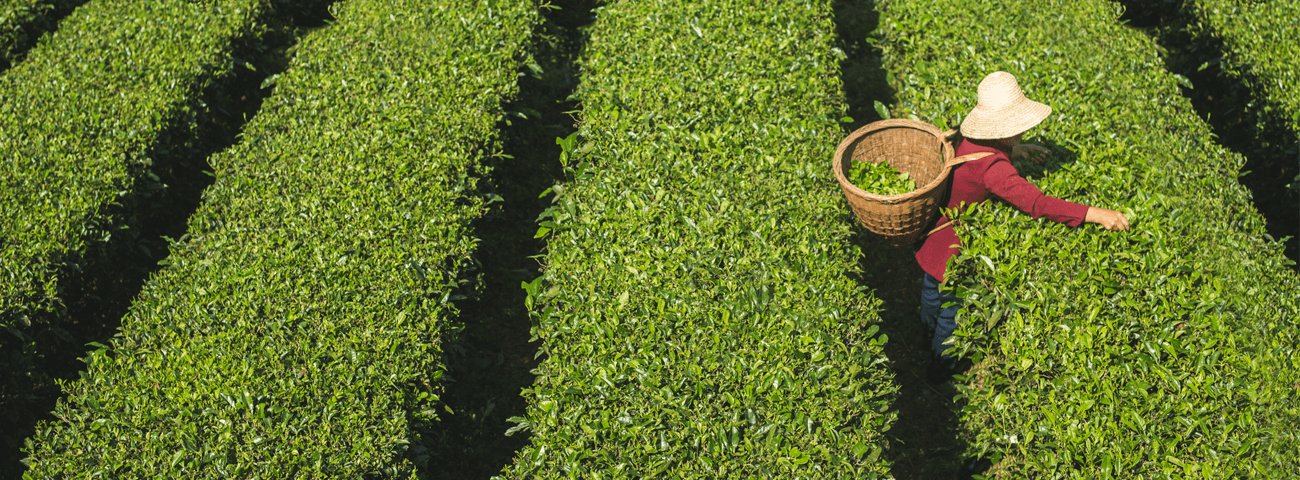
Under Soviet rule, Georgia’s tea reputation suffered due to mass mechanisation and a focus on volume over quality. Today’s growers, however, are embracing artisanal methods—harvesting by hand, selecting finer leaves, and producing small batches.
“We’re not trying to copy China or Taiwan,” Sioridze said. “Georgia must carve out its niche. Our tea has a story—and that’s our strength.”