



Gombe State has reaffirmed its commitment to building a transparent, competitive and investor-friendly business environment.
The Deputy Governor, Dr. Manassah Jatau, made this known while declaring open the 2026 Business Enabling Reforms Action Plan, BERAP, Stakeholders Engagement Session, in Gombe.
Dr. Jatau, who represented Governor Muhammadu Inuwa Yahaya , said “the 2026 Action Plan aligns with the state’s broader development vision and highlighted ongoing efforts to strengthen industrial clusters, improve urban markets, enhance land documentation and expand opportunities for small and medium enterprises.”
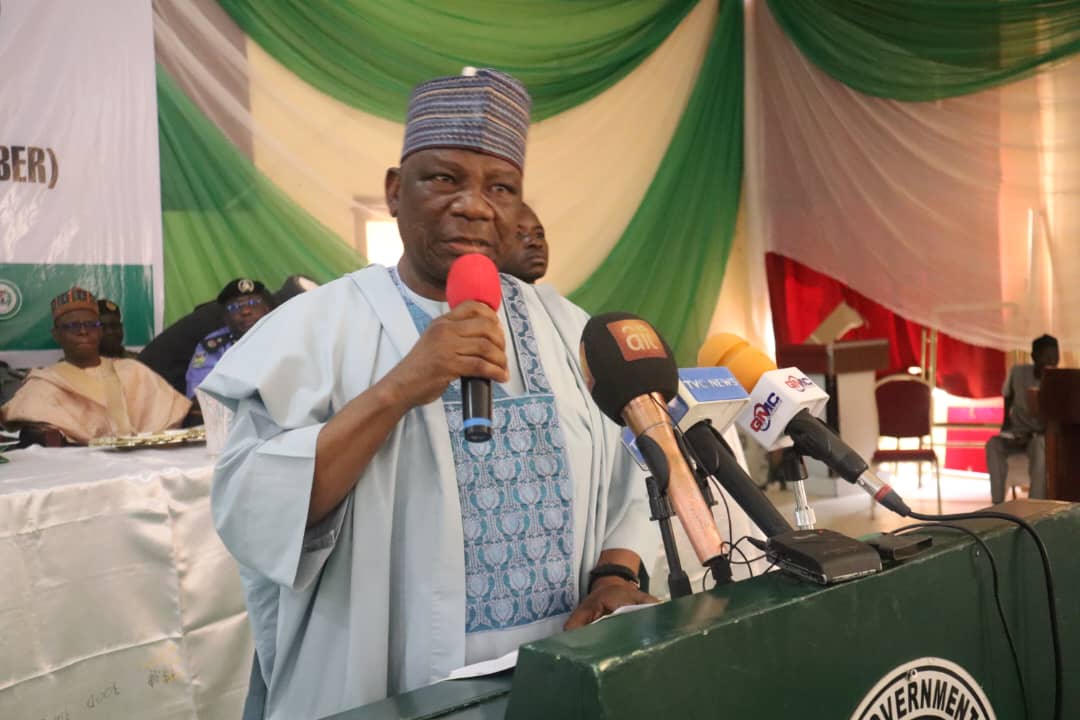
He praised the administration’s sustained collaboration with stakeholders across sectors, which he said “contributed to the emergence of Gombe State as the Number One State in the Ease of Doing Business for two consecutive years.”
“Our aims and objectives are not just for large-scale investors. We must also support the many small and medium enterprises across our communities, as they create jobs, strengthen value chains and improve market access,” the Deputy Governor said.
He urged participants to contribute sincerely to shape the final policy actions before submission to the National Coordination Team and the World Bank.
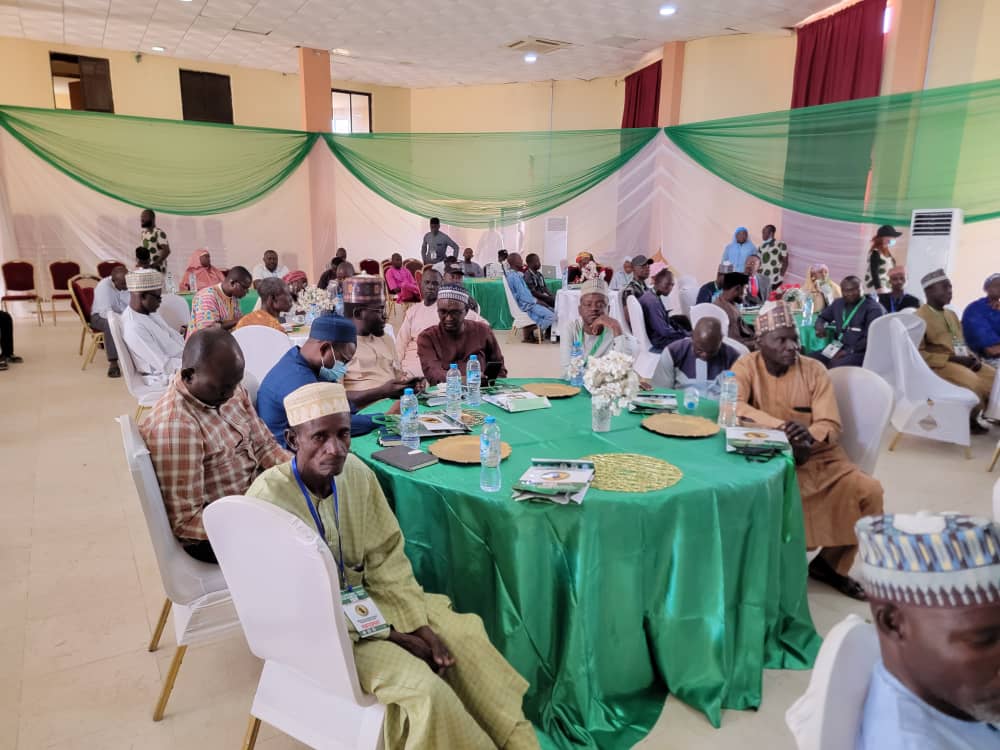
The event was organised by the Ministry of Finance and Economic Development.
The engagement session brought together government officials, private sector leaders, civil society groups and development partners to review the state’s progress and propose actionable strategies for accelerating economic growth.

The Commissioner of Finance, Mr. Muhammad Magaji, restated the government’s resolve to build a more efficient, transparent and competitive business climate.
He acknowledged strides in modernizing government processes and improving revenue administration, while noting that more work was needed to ensure reforms are fully realised.
“Our objective is clear: we must identify and remove constraints that slow down business activities, reduce compliance costs, strengthen collaboration with the private sector, and ensure that reforms reflect realities on the ground,” Mr. Magaji said.
He added that the ministry remains committed to supporting the reform process through stronger fiscal discipline, timely resource allocation and increased digitalization.
Providing a detailed overview of the 2026 BERAP cycle, the State’s SABER Focal Person, Alh. Kabiru Tsoho, described the initiative as a “practical, results-oriented framework” aimed at addressing everyday challenges faced by businesses, investors and citizens.
He outlined nine key reform priorities for 2026, including:
- Digital skills and ICT development through a dedicated technology hub;
- Environmental sustainability and improved waste management;
- Carbon-emission reduction and better control of burning and generator use;
- A One-Stop Shop for efficient licensing and approvals;
- Stronger legal enforcement and faster resolution of business disputes;
- Support for industrial clusters, notably rice processing and groundnut oil milling;
- Urban market reforms to improve infrastructure and transparency;
- Enhanced land administration with quicker issuance of Certificates of Occupancy;
- Expansion of the tax base using digital payment systems and improved mechanisms for the informal sector.
Tsoho emphasized that BERAP “succeeds only when it listens,” calling on stakeholders to identify bottlenecks, propose necessary regulatory adjustments and suggest pilot projects suitable for quick rollout.
The session served as a platform for robust engagement among government agencies, business leaders and civil society, with contributions expected to shape the final BERAP 2026 Plan.
Olusola Akintonde