


The 2025 Gender and Inclusion Summit (GS-25) will spotlight the voices of underserved, underrepresented, and unrepresented communities to drive inclusive national development.
This was disclosed at a press briefing in Abuja organised by the Policy Innovation Centre (PIC), convener of the summit.
The Executive Director of the PIC, Osasuyi Dirisu, said the summit—scheduled for 2 to 4 September in Abuja—will feature in-depth deliberations on inclusive development rooted in lived experiences, unfiltered realities, and co-created design solutions.
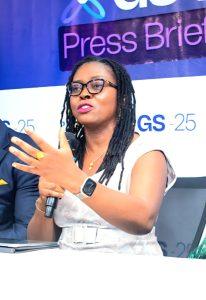
“As much as it is within our capacity, we will ensure that the real voices that represent the depths of inequities and the issues at stake are clearly represented in all conversations we have at the summit,” she said.
Dirisu noted that the summit would focus on using data-driven approaches and context-specific solutions to address systemic gaps.
“We want to reflect better on how to use data to inform decision-making. We also want this year to ensure that, as we’re thinking about solutions, we are reflecting on what is culturally competent, relevant to our country, sustainable, scalable, and moves the needle toward building an inclusive society,” she added.
She explained that GS-25 aims to address pressing issues such as funding shortfalls and how to optimise limited resources to create a society that meets today’s needs without compromising the future.
“We’re going to be bringing the voices that help to review and evaluate whether our reflections on policy, policy change, and policy interventions are actually working for the people we claim to serve,” she stated.
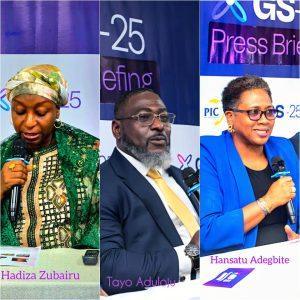
In her remarks, Minister of Women Affairs, Hajia Imaan Sulaiman-Ibrahim, reaffirmed the ministry’s support for the summit. Represented by her Senior Special Assistant on Policy and Coordination, Hadiza Zubairu, she described the event as timely and aligned with the ministry’s grassroots partnerships and structural reforms.
“The development of our national framework for gender transformative policy underscores the understanding that meaningful progress cannot be achieved without listening to the voices of the underserved, the marginalised, vulnerable groups, women, and most importantly, persons living with disabilities and special needs,” she said.
“We are a part of this Policy Innovation Centre. We support your ideas, we support the work that you do, and we want to be fully involved in everything,” she added.
CEO of the Nigerian Economic Summit Group (NESG), Dr Tayo Aduloju, said GS-25 will challenge systemic exclusion by confronting social, political, economic, and cultural barriers.
“This will be an uncomfortable summit because, as we allow voices we are not used to hearing to speak—unedited—we hope a new level of collective awareness will dawn on us. We must understand the true scope, structure, and nature of exclusion, and that must lead us to new approaches,” he said.
Aduloju noted that the summit will convene stakeholders from government, academia, civil society, and traditional and religious institutions to mobilise society’s collective capacity for change.
Chair of the GS-25 Technical Advisory Committee, Hansatu Adegbite, projected that the summit would result in actionable policies and sustained partnerships.
“New approaches for this inclusive society really mean coming together to assess what we’ve done so far, hearing from those we’ve previously overlooked, and asking: has it been enough?” she said.
GS-25, themed “New Voices and New Approaches for Accelerating an Inclusive Society,” is a three-day hybrid event hosted by the Policy Innovation Centre in partnership with the Federal Ministry of Women Affairs and other stakeholders.
The summit aims to advance gender equality, inclusion, and gender-responsive governance in Africa through evidence-based policy innovation, cross-sector collaboration, and transformative action.
PIAK