

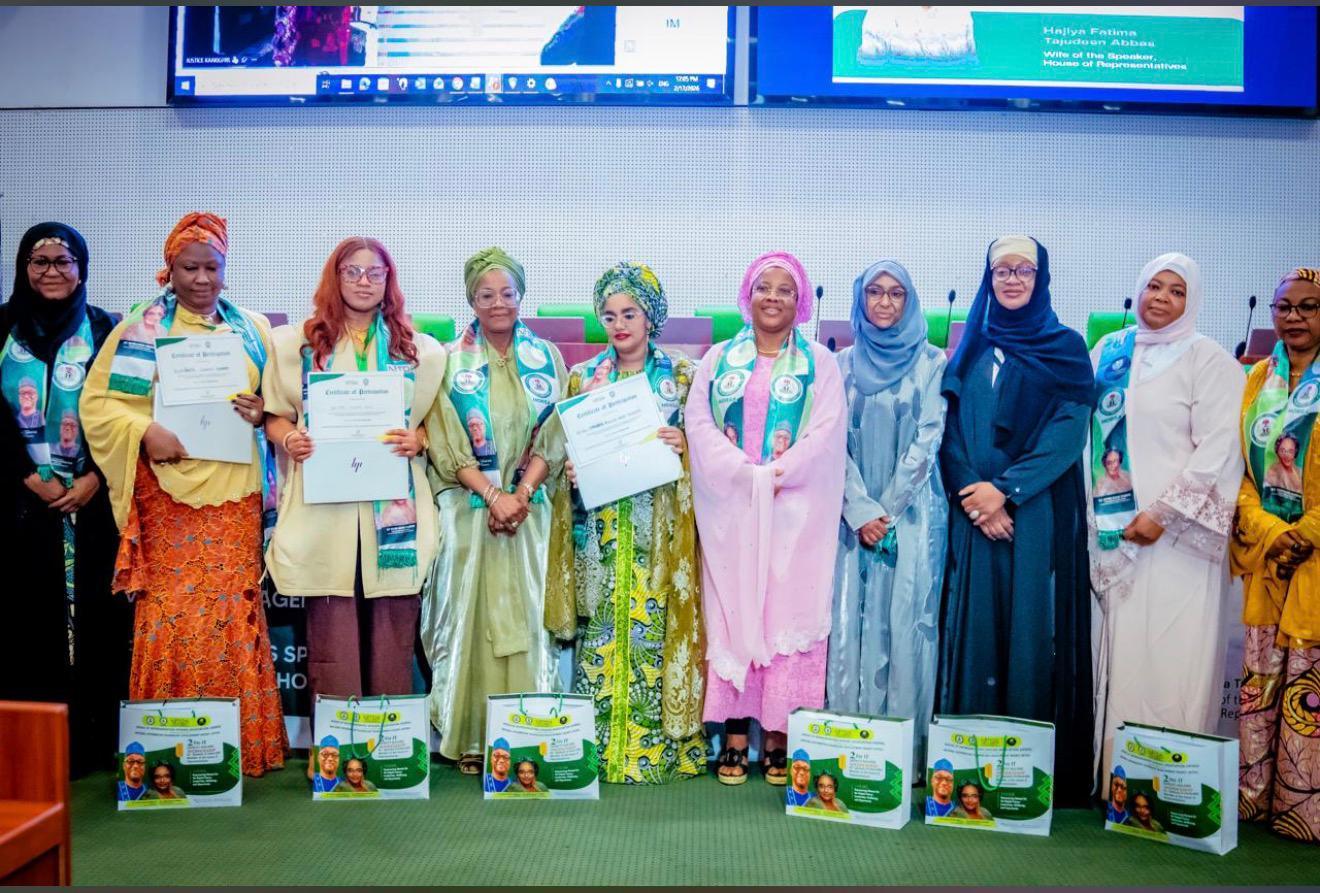
Stakeholders in Nigeria have called for women’s digital inclusion, political representation and sustained national development across the country.
They made the call at the end of a two-day Digital Literacy and Capacity-Building Workshop organised by the House of Representatives Spouses Association (HORSA) in partnership with the National Information Technology Development Agency (NITDA), held in Abuja, the nation’s capital.
Themed: “Empowering Women for Digital Future: Leadership, Wellbeing and Opportunity,” the programme reinforced a shared national commitment to building an inclusive, digitally enabled and resilient Nigeria.
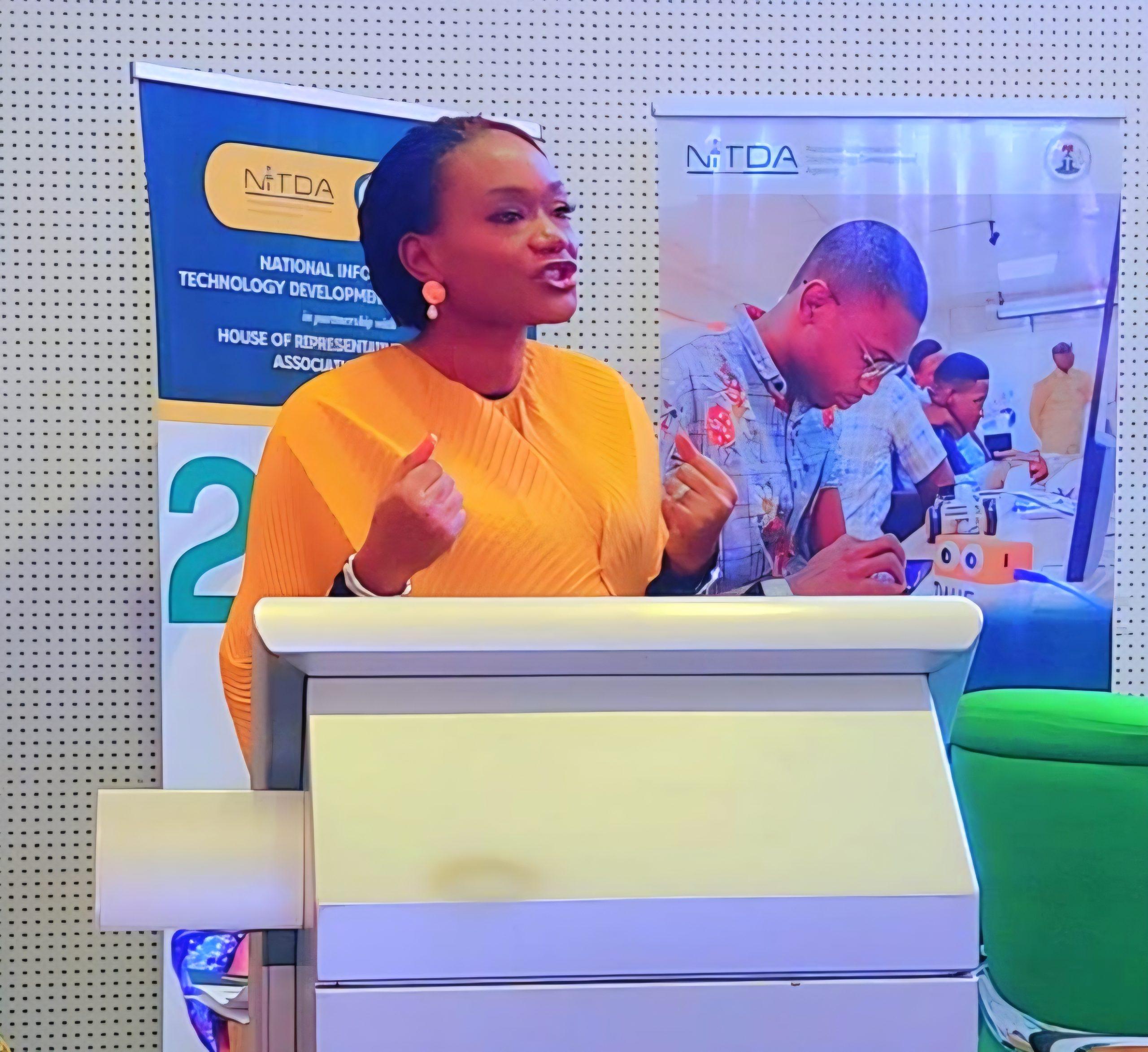
The Chief Executive Officer of TOS Group of Companies and Holdings, Osasu Igbinedion-Ogwuche, in charge, urged participants to institutionalise efficiency and maximise their influence.
She implored them to “put structure in place” to enable efficiency and optimal contribution to national development from their sphere of influence.
On the Reserved Special Seats Bill, Iginedion Ogwuche appealed for support at its critical stage in the 10th Assembly.
“We’ve been campaigning for the bill to be passed. Please speak to your spouses about it,” she said, recalling previous engagements and noting that the bill failed in both the 8th and 9th Assemblies.
“Right now is the third reading, and what the third reading means is that this is the final vote at the National Assembly. So if they vote no, then the bill is killed. But if they vote yes, then it goes to the 36 state assemblies, where you need 24 out of 36 states to vote yes.”
She stressed Nigeria’s low ranking in women’s parliamentary representation. “As we all know, we only have 4% of women in Parliament. In the House of Representatives, we only have 16 women. In the Senate, we only have 4 women. Giving you 20 women out of 469 lawmakers, Nigeria can do better.”
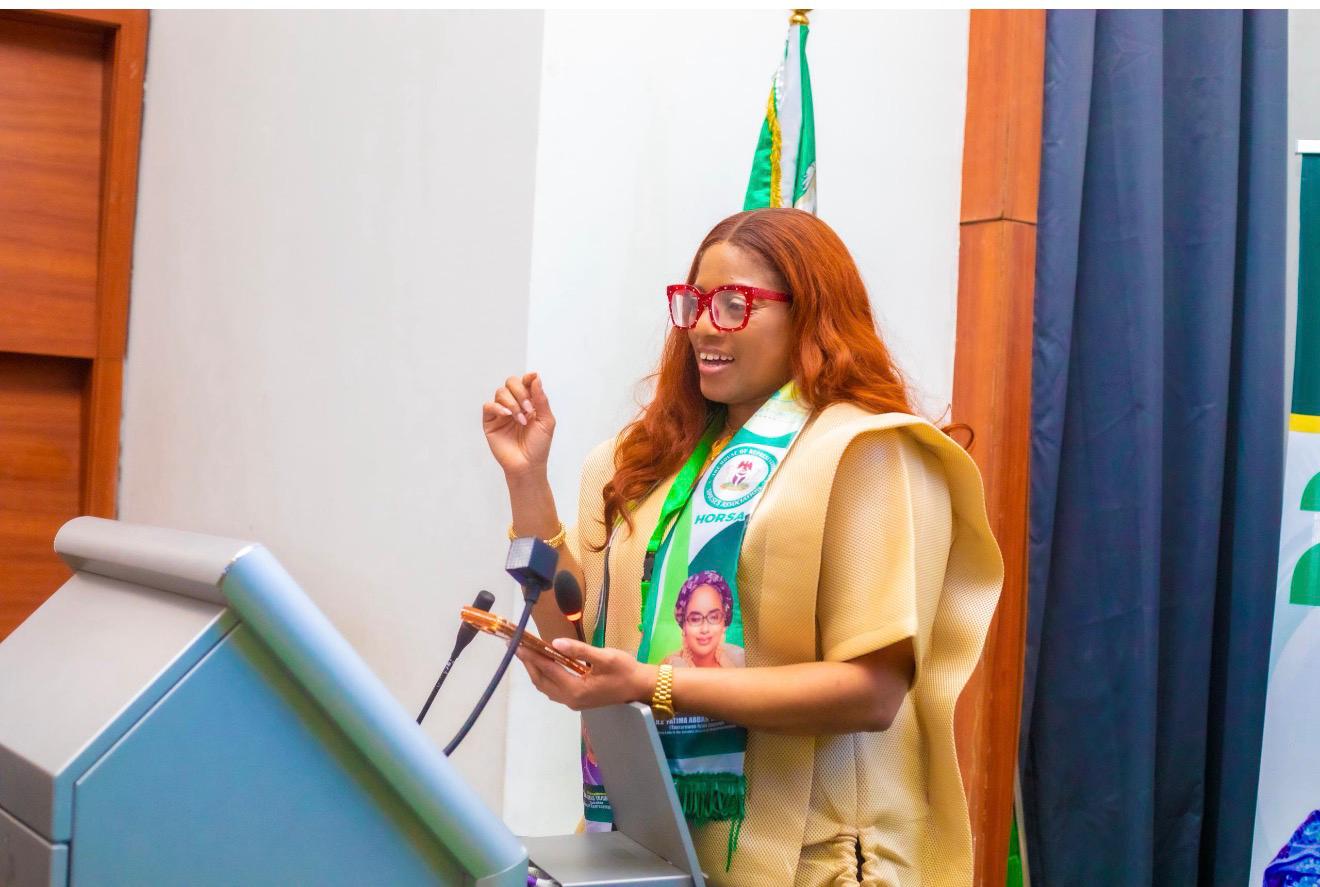
In her closing remarks, the wife of the Deputy Speaker Dr. Ezinne Kalu commended the Hajiya Fatima Abbas Tajudeen-led leadership of the association, describing the seminar as more than an event.
“This seminar has not only been an event, but it has also been a movement. A call to action for women to enrich this digital age with confidence, competence and knowledge,” she said.
“In an era defined by rapid technological change, digital inclusion is no longer an option, it is essential.”
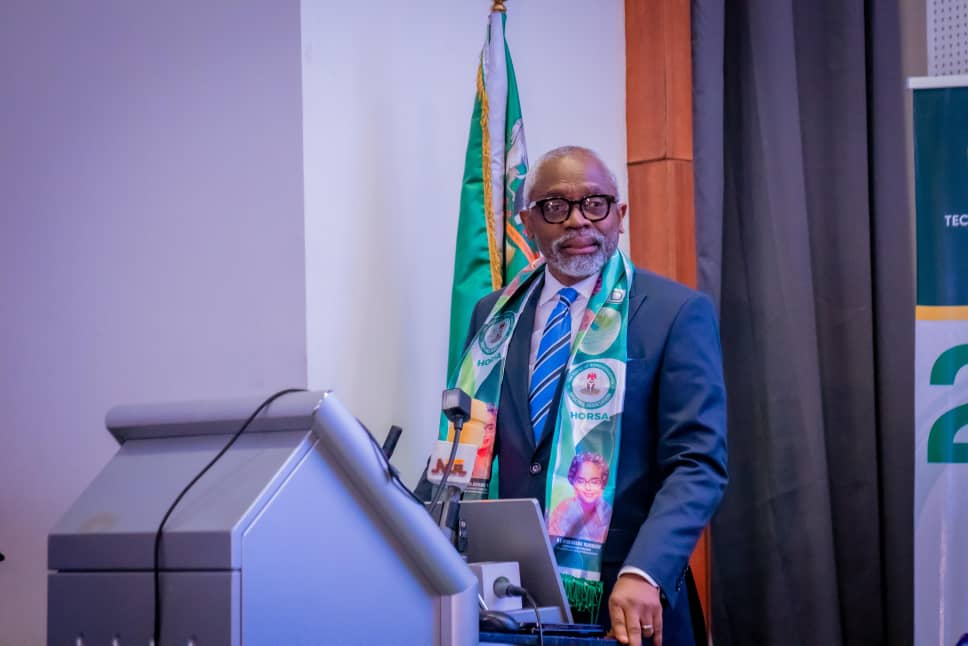
Earlier, Chief of Staff to President Bola Ahmed Tinubu, Femi Gbajabiamila, underscored the digital transformation vision of President Bola Ahmed Tinubu, anchored on economic revitalisation, innovation and inclusive growth.
“Technology is no longer an auxiliary tool, but the infrastructure upon which modern economic institutions and social systems are built,” he stated, referencing initiatives such as the 3MTT programme designed to equip Nigerians with globally competitive digital skills.
Also, the Head of the Civil Service of the Federation, Mrs Didi Walson-Jack, represented by the Permanent Secretary, Ministry of Women Affairs, Mrs Nkoyo Esuabana, described the training as “timely and strategic,” emphasising that “capacity-building is meaningful only when it results in measurable outcomes.”
Chairman, House Committee on Digital, Information Communication Technology and Cybersecurity, Adedeji Stanley Olajide, declared: “Digital literacy is no longer optional; it is essential.”
Similarly, Chairman, House Committee on Women Affairs, Kafilat Ogbara, said: “When we equip women with digital skills, we expand economic opportunity, strengthen civic participation, and enhance social influence.”
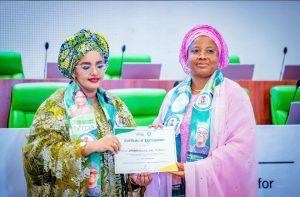
Over 100 participants received laptops procured by Hajiya Fatima Abbas Tajudeen to deepen practical application of acquired knowledge, marking what stakeholders described as a decisive step towards inclusive digital transformation.
Participants applauded the digital inclusion and capacity-building initiative, underscoring the knowledge imparted as being essential to Nigeria’s socio-economic transformation.