


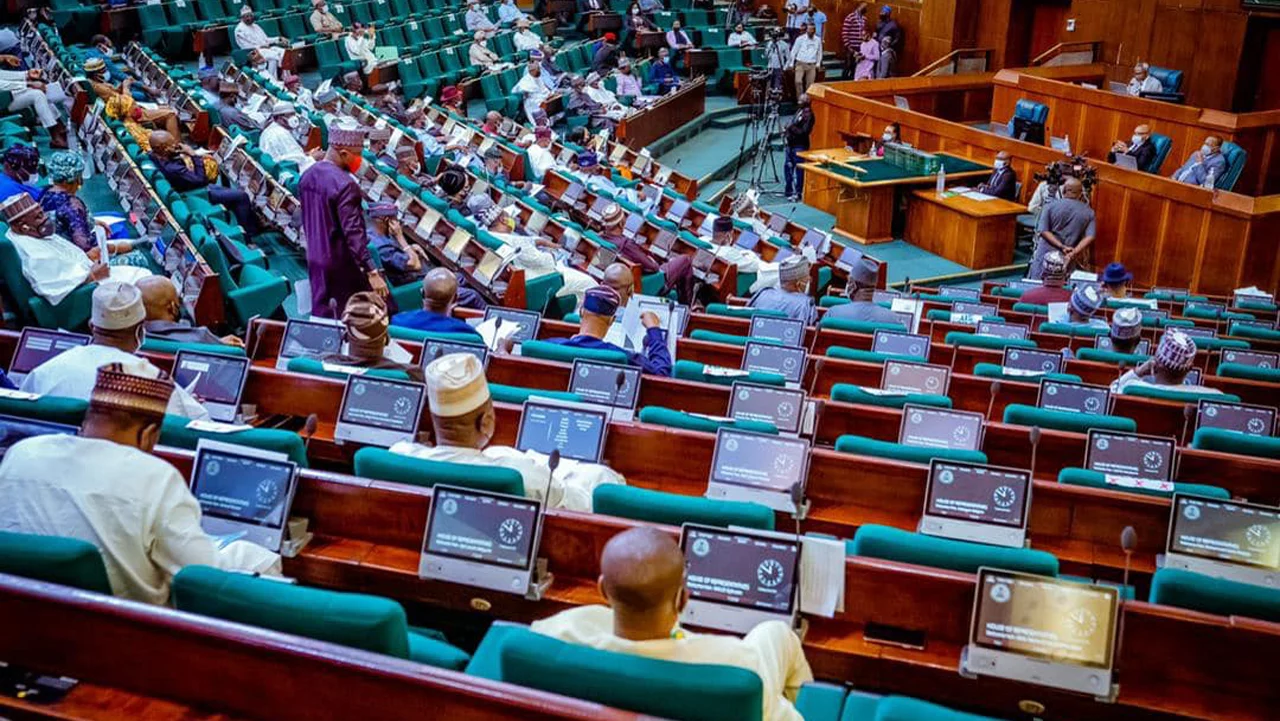
The Nigerian House of Representatives is taking steps to safeguard workers’ lives.
This follows a Public Hearing on Occupational Safety and Health held in Abuja by the House Committee on Safety Standards and Regulations.
Declaring the hearing open, the Speaker of the House of Representatives, Mr Tajudeen Abbas, said there was a need to update the laws guiding workers in Nigeria.
Safety and Health Bill
He explained that the Occupational Safety and Health Bill 2025, with number HB 2195, had become obsolete and had lost its relevance.
Speaker Abbas, represented by Mr Olumide Osoba, commended stakeholders for attending the public hearing and encouraged them to make meaningful contributions to the Bill.
He stated that the true strength of any nation lies not only in its natural resources but also in the safety, security, and health of its people, particularly those who labour daily to sustain the economy.
“The Occupational Health and Safety Bill is therefore more than a legislation; it is a moral imperative, an economic necessity, and a national duty. It embodies our broader parliamentary mandate to protect citizens, promote sustainable development, and build a modern, productive, and globally competitive workforce for Nigeria.
“Across our industries, including manufacturing, agriculture, construction, oil and gas, healthcare, transport, mining, and the informal sector, workers face hazards that too often result in injury, illness, and even loss of life. Many of these tragedies are preventable. They persist due to outdated regulations, weak enforcement, inadequate institutional frameworks, and the absence of a unified national safety architecture. This Bill seeks to close those gaps. It establishes a modern, harmonised, and enforceable framework aligned with international best practices and the standards of the International Labour Organisation.
“The urgency of this Bill is evident when we consider the fact that these hazards are mostly prevalent in the sectors that drive our economy. In construction, unsafe scaffolding and collapsing structures have left families devastated. In manufacturing, exposure to hazardous chemicals and poor training continue to endanger lives and undermine productivity. In oil and gas, the backbone of our economy, risks from flammable substances, toxic gases, and offshore operations demand preparedness and accountability that only clear legal mandates can ensure. Even in agriculture, where millions of Nigerians earn their livelihood, workers face pesticide exposure, machinery accidents, and unsafe conditions that have long been neglected.
“This Bill also recognises the indispensable contributions, and exposure to dangers, of healthcare workers, transport operators, artisans, and those in the informal sector. These groups form the bedrock of our national workforce, yet they remain among the least protected and continue to suffer physical, biological, and psychological traumas. By extending safety obligations, strengthening enforcement, and promoting awareness, the Bill ensures that no worker is left behind.
“Beyond sectoral concerns, the national benefits of this legislation are profound. A safer workforce translates into reduced medical costs, higher productivity, fewer disruptions, stronger investor confidence, and enhanced global competitiveness. It reinforces our commitments under the Sustainable Development Goals, particularly those relating to decent work, economic growth, and poverty eradication. Above all, it affirms the fundamental principle that every Nigerian deserves to return home safely after a day’s work,” Mr Abbas said.
“Today’s Public Hearing illustrates a cornerstone of our democratic process. It reflects our conviction that the most effective laws emerge when the voices of the people, industry experts, unions, professionals, and regulators are heard and respected. As deliberations proceed, I urge all participants to provide clear, practical, and constructive input. Let us strive not merely to pass a bill, but to enact a law that is implementable, inclusive, and transformative, one that will safeguard workplace safety for generations to come,” Mr Abbas explained.
The Chairman of the House Committee on Safety Standards and Regulations, Mr David Idris Zacharias, said the Occupational Safety and Health Bill now stands before the Nigerian public for consideration.
Also Read: Nigerian Workers Celebrate May Day
He described the Public Hearing as a transformative moment for occupational safety in Nigeria, following decades of reliance on outdated legislation that no longer reflects modern workplace realities.
According to him, “The Bill before us is not merely another legislative document. It is a significant national instrument that seeks to repeal the outdated Factories Act, CAP F1 of 2004, and replace it with a comprehensive, science-based, enforceable, and forward-looking framework that aligns Nigeria with international best practices and the conventions of the International Labour Organisation.
“Across the country, millions of workers face daily hazards ranging from chemical exposures, unsafe machinery, and building collapses to infectious diseases, transportation-related incidents, ergonomic strain, and challenges within our vast informal sector. This Bill responds to these realities by strengthening preventive measures, clarifying employer obligations, protecting vulnerable groups, and ensuring that safety becomes a national legal requirement rather than an optional practice.”
He noted that the importance of the Bill extends across all major sectors of the Nigerian economy.
“In manufacturing and industry, clearer standards for hazard control, ventilation, machine guarding, emergency preparedness, and protective equipment will reduce downtime, prevent injuries, and boost competitiveness. In the construction sector, which continues to record high accident rates, provisions for proper supervision, safe scaffolding, fall prevention, and mandatory protective gear will help curb preventable tragedies.
“In oil and gas, the Bill enhances emergency procedures, strengthens safety oversight, and sets higher expectations for employers operating in high-risk environments. In agriculture, the Bill introduces safer pesticide handling, improved machinery training, and protections for women and young workers central to food production and rural development.
“Healthcare workers who face infectious diseases, chemical risks, and long working hours will benefit from reinforced biosafety and infection control, shaped by lessons from recent health outbreaks. Workers in transportation, logistics, services, and the fast-growing informal sector including traders, drivers, mechanics, artisans, and technicians will for the first time be covered by a unified national safety framework.”
Mr Zacharias further said the Bill addresses longstanding systemic weaknesses.
“Our current laws are fragmented, outdated, and poorly enforced. Many employers lack awareness of their obligations, while workers often hesitate to report hazards due to fear of retaliation. Nigeria lacks a reliable national database for workplace accidents and diseases, hindering effective policymaking. Penalties for negligence are weak, inspectorate capacity is limited, and many informal workplaces operate outside any regulated safety system.
“This Bill changes that by providing stronger enforcement powers for inspectors, clearer duties for employers and employees, mandatory reporting systems, improved penalties for violations, nationwide safety information management, enhanced training and certification requirements, and expanded protections for vulnerable workers.
“A safer workforce is a more productive workforce. A healthy workforce reduces strain on our healthcare system. A regulated safety environment increases investor confidence and strengthens export readiness. Above all, this Bill reinforces the dignity of labour and affirms the principle that no Nigerian should lose their life or livelihood simply because they went to work.”
He urged stakeholders to engage constructively and patriotically, noting that their expertise is essential to refining the Bill into a practical and effective law.
Stakeholders at the hearing supported the amendments, noting several duplications in the Bill.