


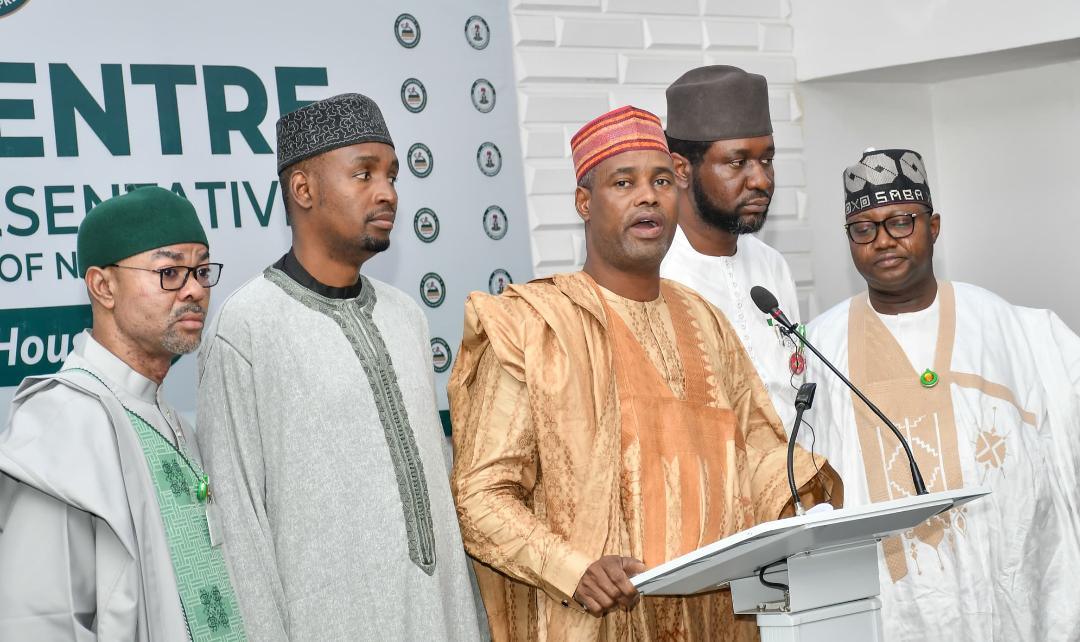
The House of Representatives Committee on Treaties, Protocols and Agreements has opened an investigation into all treaties, protocols and agreements signed between Nigeria and other countries.
Chairman of the committee, Mr Rabiu Yusuf, said the House of Representatives had authorised the panel to undertake what he described as one of the most important national reviews in recent history.
Mr Yusuf said the exercise was not political but patriotic, constitutional and critical to Nigeria’s sovereignty, debt sustainability and economic security.
“Our mandate is clear: to examine all bilateral and multilateral treaties, protocols, agreements and foreign-funded contracts Nigeria has entered into and determine whether they protect or endanger the national interest,” he disclosed.
The lawmaker noted that Nigeria had, over the years, signed numerous treaties, memoranda of understanding and agreements, many of them without adequate oversight, domestication or monitoring.
“Some agreements contain hidden obligations, sovereignty waivers, unfavourable arbitration clauses or financial risks unknown to Nigerians. Several foreign-funded infrastructure contracts, especially those involving foreign companies, require deeper scrutiny for value for money, loan exposure, local content compliance, contract performance, and environmental and labour compliance,” the Lawmaker explained.
Mr Yusuf stressed that Nigeria could not afford treaties that weaken its legal authority, compromise national assets or burden future generations with unsustainable liabilities.
He said the committee would ensure that all international agreements comply with Section 12 of the 1999 Constitution, as amended.
“We will ensure Nigeria’s sovereignty is never compromised in foreign dealings, protect the country from harmful financial exposure and poor contract terms, establish full transparency around treaties and major contracts, strengthen Nigeria’s negotiation power going forward, and recommend a national framework for treaty oversight and digital tracking to prevent future lapses,” he said.
The committee chairman said the investigation was necessary because treaties directly affect everyday life, job creation, trade, taxation, infrastructure and foreign investment.
He warned that poorly negotiated agreements could weaken the economy, increase debt or threaten strategic national assets.
“This committee’s work will help ensure Nigerians benefit from partnerships, not become victims of them. Our goal is simple: Nigeria must never sign what it cannot defend,” he stated.
Mr Yusuf said letters requesting relevant documents would be dispatched to federal ministries, departments and agencies, regulatory bodies, state governments, Chinese companies and other foreign contractors, diplomatic missions, as well as banks and financial institutions.
He stressed that the committee expects full cooperation and transparency, including the submission of complete agreements, annexes, side letters, payment records, project reports and compliance documents.
“This investigation will be thorough, professional, non-partisan and guided strictly by evidence,” the Chairman of the committee said.
Mr Yusuf added that Nigeria deserves agreements that uplift rather than undermine the country.
“This committee will work transparently, responsibly and in the highest national interest. We are determined to deliver a report that will strengthen Nigeria’s sovereignty, protect public resources and reform how treaties are negotiated in the future.
“Nigeria will no longer sign unfavourable agreements in darkness. This committee will shine the light, protect our sovereignty and ensure every treaty reflects the dignity and future of our nation,” he added.
PIAK