
 has defended its handling of the Ogoni cleanup funds and)
By Zeniat Abubakar, Abuja
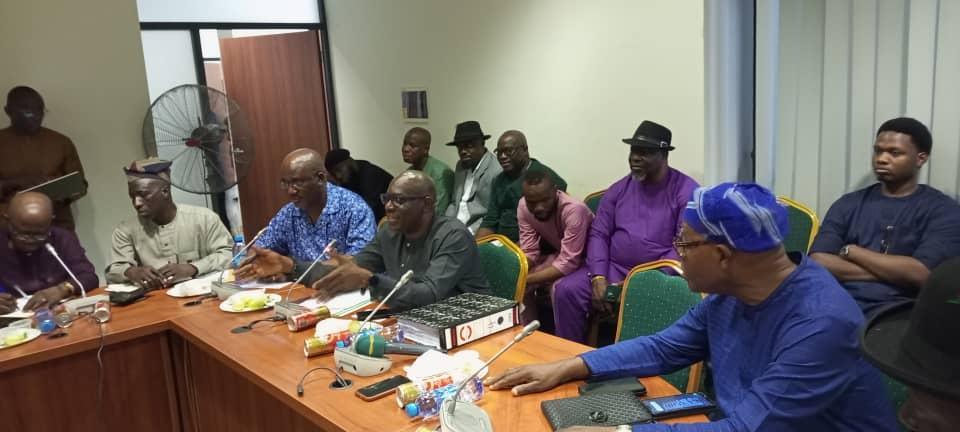
The Hydrocarbon Pollution Remediation Project (HYPREP) has defended its handling of the Ogoni cleanup funds and outlined significant progress in environmental restoration efforts before the House of Representatives Ad Hoc Committee investigating the management of oil spill cleanup resources in the Niger Delta.
Appearing before the committee chaired by Hon. Okpolump Etteh, HYPREP Project Coordinator, Professor Nenibarini Zabbey said the agency has strictly followed the recommendations of the United Nations Environment Programme (UNEP) Report on Ogoniland, ensuring that all funds were used transparently and effectively.
Prof. Zabbey disclosed that 17 contaminated sites have been fully remediated, while 65 others are at various stages of assessment and cleanup, underscoring the government’s commitment to restoring the environment in the oil-impacted region.
“Our work goes beyond cleaning up oil spills,” Zabbey told lawmakers. “We are rebuilding livelihoods, restoring confidence, and creating a sustainable environmental legacy for the Ogoni people.
“Beyond remediation, HYPREP has expanded its activities to include livelihood restoration, healthcare interventions, and infrastructure development, targeting communities long affected by decades of pollution,” he said.
According to him, the agency reported that thousands of Ogoni youths and women have benefitted from skills acquisition programs in agriculture, aquaculture, renewable energy, tailoring, and ICT — initiatives aimed at reducing dependence on oil-related activities and promoting sustainable livelihoods.
READ ALSO: Reps Demand Accountability Over Ogoni Clean-Up Funds
“On clean water access, HYPREP has rehabilitated and constructed water schemes across the four Ogoni local government areas, providing residents with safe and potable drinking water for the first time in years.
“In the health sector, the Project has organised medical outreaches and upgraded healthcare facilities to address pollution-related illnesses and improve service delivery in affected communities,” the Project Coordinator explained.
Professor Zabbey, also highlighted the deployment of advanced remediation technologies, such as renewable reactive barriers and non-intrusive cleanup methods, designed to tackle complex contamination while preserving homes, shrines, and cultural heritage sites.
He assured lawmakers that all procedures adhered to international best practices and transparency standards, noting that selective procurement was occasionally required for technically complex projects.
The Committee members commended aspects of HYPREP’s progress and urged the agency to enhance oversight and accountability, including engaging independent experts and civil society organisations in project monitoring.
Despite some concerns, lawmakers acknowledged that the Ogoni cleanup remains one of Africa’s most ambitious environmental restoration projects, with HYPREP playing a pivotal role in balancing remediation, community empowerment, and transparency.