

Gloria Essien Abuja
The House of Representatives Committee on Mineral Exploitation, Security and Anti-Money Laundering has invited the Minister of Solid Minerals, Dr. Dele Alake, and the Director-General of the Nigeria Mining Cadastre Office to appear before it.
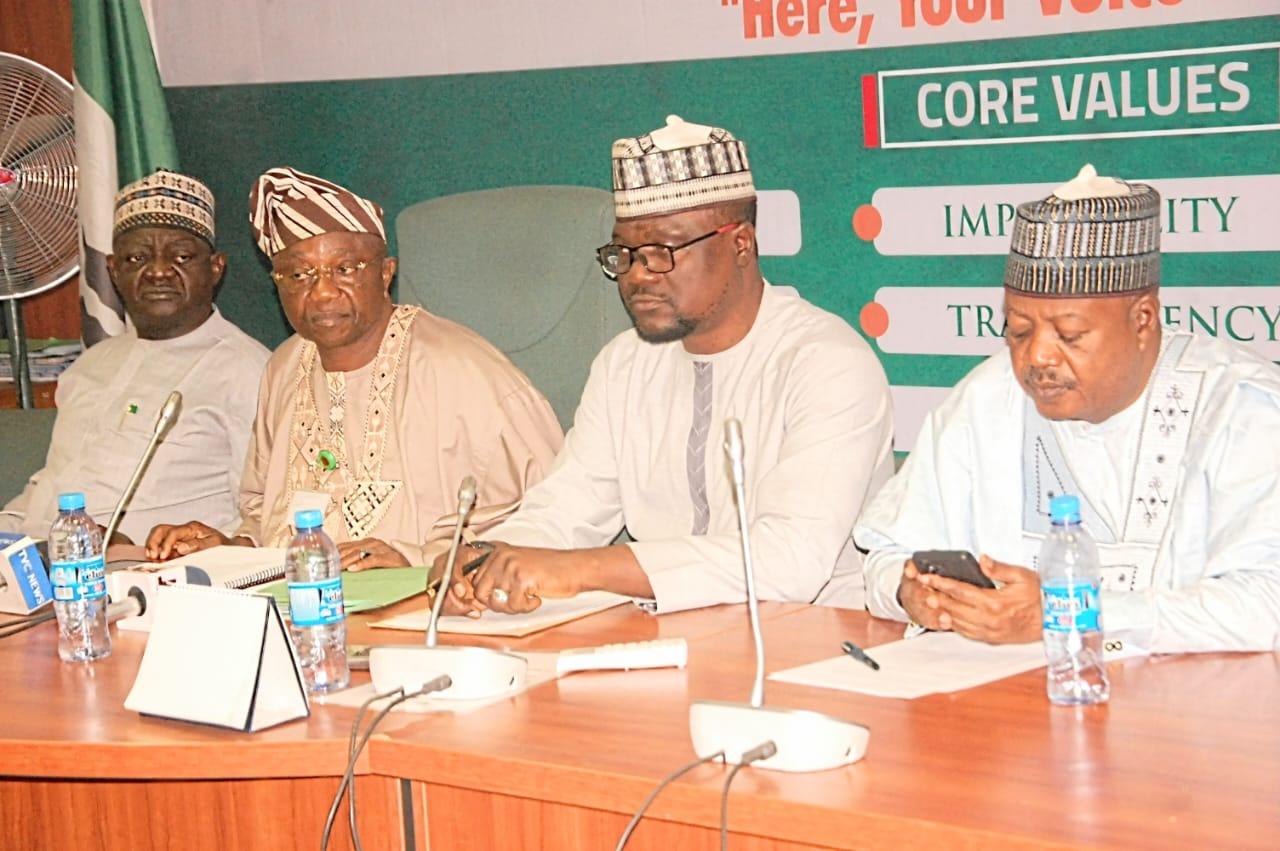
The Chairman of the Committee, Mr. Sanni Egidi Abdulraheem, gave the directive at the resumed meeting of the Committee in Abuja.
He said: “The Committee has directed the Secretariat to write the minister and DG of Nigeria Mining Cadastre to appear before the Committee on scheduled dates for each of the two organisations, if possible with EFCC and other anti-graft agencies.”
Mr. Abdulraheem said that the Committee will, as part of its work plan, pay working visits to all MDAs covered by its mandate; physically inspect all mineral exploitation centres; invite a number of selected MDAs and put its findings to report back to the House.
He also said that the Committee was mandated to, among other things, “conduct a comprehensive investigation into the scale, patterns, actors and modalities of illegal mineral exploitation across the Federation, with a view to identifying causes, consequences and extent of associated revenue.
“Examine the operational roles, effectiveness, and challenges of security agencies deployed to mineral-bearing areas-particularly the Nigeria Security and Civil Defence Corps (NSCDC), Mining Marshals, and other relevant formations assess their capacity to secure mining sites and protect national assets.
“Investigate the security implications of illegal Mining activities, including their links to Organised crime, communal conflicts, environmental degradation, and threats to national stability.
“Undertake an appraisal of the legal and regulatory framework governing mineral exploitation in Nigeria, with a view to identifying gaps, overlaps, and enforcement deficiencies, and make recommendations for legislative amendments or new enactments where necessary.
“Probe the financial flows associated with illegal mineral extraction, including mechanisms through which proceeds are laundered, concealed, or transferred, and identify roles of individuals, networks, and institutions in facilitating such illicit transactions.
“Interfere with relevant agencies, including the Ministry of Solid Minerals, Ministry of Mines and Steel Development, Nigerian Financial Intelligence Unit (NFIU), Economic and Financial Crimes Commission (EFCC), Security Agencies, State governments, traditional institutions, and licenced mining operators-to obtain submissions, documents, data, and expert opinions.
“Assess the adequacy of current Anti-Money Laundering measures within the solid minerals sector and recommend strengthened oversight mechanisms, compliance standards, and enforcement actions to curb illicit financial flows.
“Recommend strategies to block revenue Leakages, enhance transparency in mineral value chains, and ensure that the exploitation of mineral resources contributes maximally and legitimately to national development.
“Conduct public hearings and stakeholders engagements to gather evidence, facilitate transparency, and build national consensus on measures to address illegal Mining and its attendant security and financial risks.
“Submit a detailed report to the House within the stipulated time frame, containing findings, conclusions, and actionable recommendations for legislative, policy, administrative, and security interventions,” he said.
Adding that the committee will perform any other functions as may be assigned by the House in furtherance of its mandate.