



The Minister of Industry, Trade and Investment, Jumoke Oduwole has called for deeper collaboration, stronger digital capacity and continued support for the Nigerian Government’s economic reforms.
Oduwole made this known in Lagos while declaring open the 2025 Nigeria International Trade Fair.
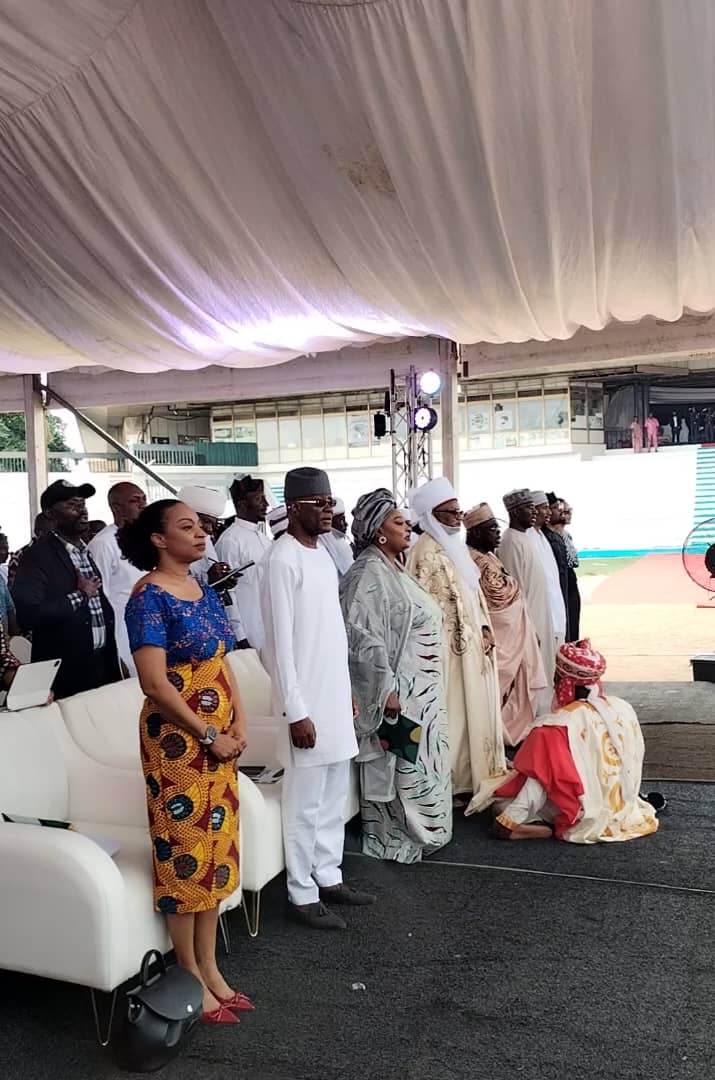
She said “the fair with the theme;“Trade, Technology and Transformation: Digital Trade for Economic and Industrial Growth” — comes at a defining moment as Nigeria works to stabilise its economy and strengthen its regional influence.”
Oduwole described the fair as ”a symbol of economic resilience as businesses adapt to global uncertainty and technology-driven trade systems.”
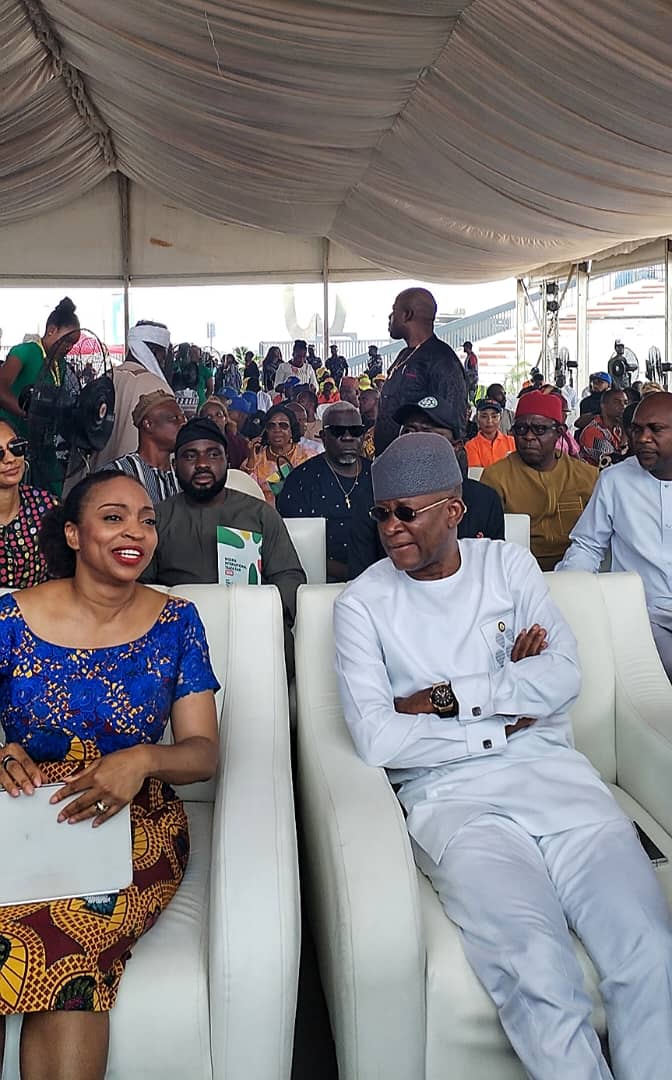
She urged African exhibitors and partners to leverage the innovations on display, noting that “Nigeria is positioning itself as a regional marketplace and a gateway to West Africa.”
She stressed the need for collective action to build an economy driven by digital trade, technology-based enterprises and regional integration.

According to her, “physical trade fairs still play an important role in shaping Nigeria’s commercial landscape, even as global trade increasingly moves online.”
Reviewing the progress recorded under President Bola Tinubu’s administration, Oduwole said “major reforms — including exchange rate unification, fuel subsidy removal, modernised tax and customs processes and firmer fiscal discipline — have contributed to a steadier foreign exchange market and improved economic prospects.”
“These reforms are laying the foundation for a more productive and globally competitive Nigeria. The country’s intra-African trade grew by 14 per cent in the first half of the year. All thanks to the reforms,” she stated.
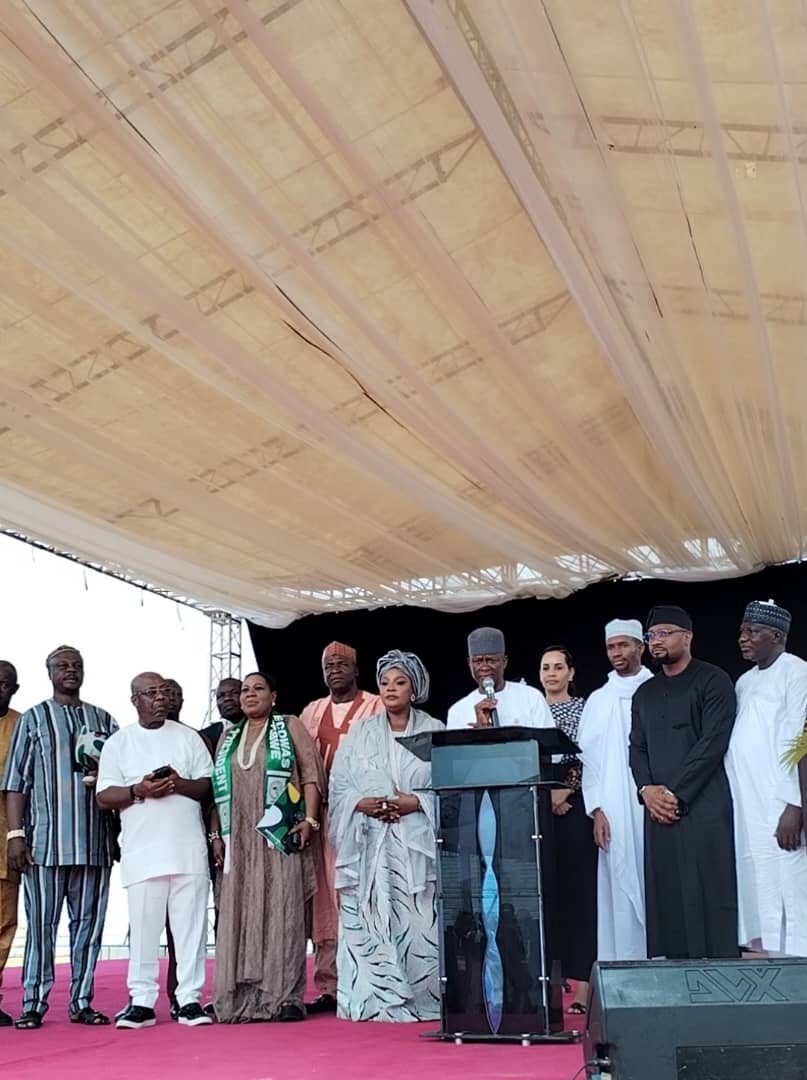
The Executive Director of the Lagos International Trade Fair Complex Management Board (LITFCMB), Vera Ndanusa, said the fair underscores Nigeria’s readiness to lead Africa’s evolving trade landscape.
She noted that although the complex suffered years of structural and administrative decline, the current administration has begun a determined turnaround.
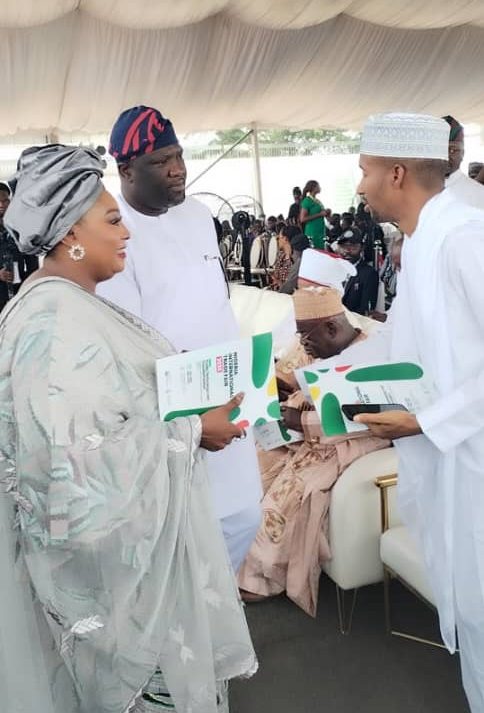
Ndanusa said “the Management Board is legally mandated to manage and develop the complex as a national economic asset and plans to restore Nigeria’s statutory authority in trade fair regulation.”
She highlighted upcoming plans for a modernised regulatory framework, stronger collaboration with NACCIMA, ECOWAS and global partners, as well as renewed efforts to promote non-oil exports and SME growth.
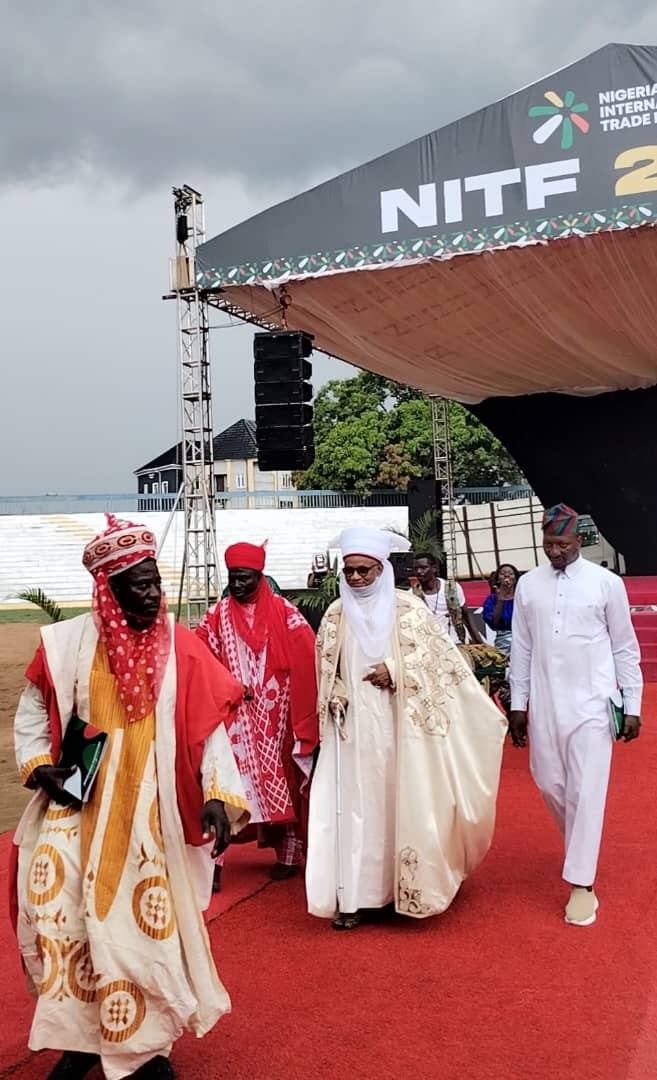
Also speaking, the Etsu Nupe, Yahaya Abubakar, praised the fair as a milestone in Nigeria’s transition from traditional commerce to digitally enabled trade.
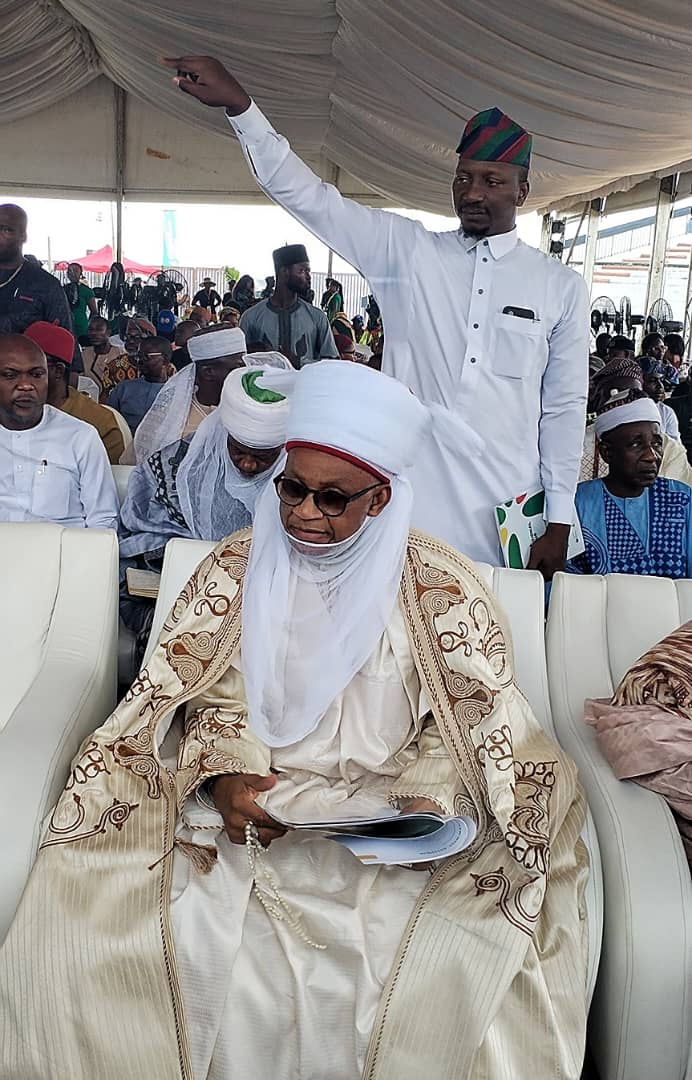
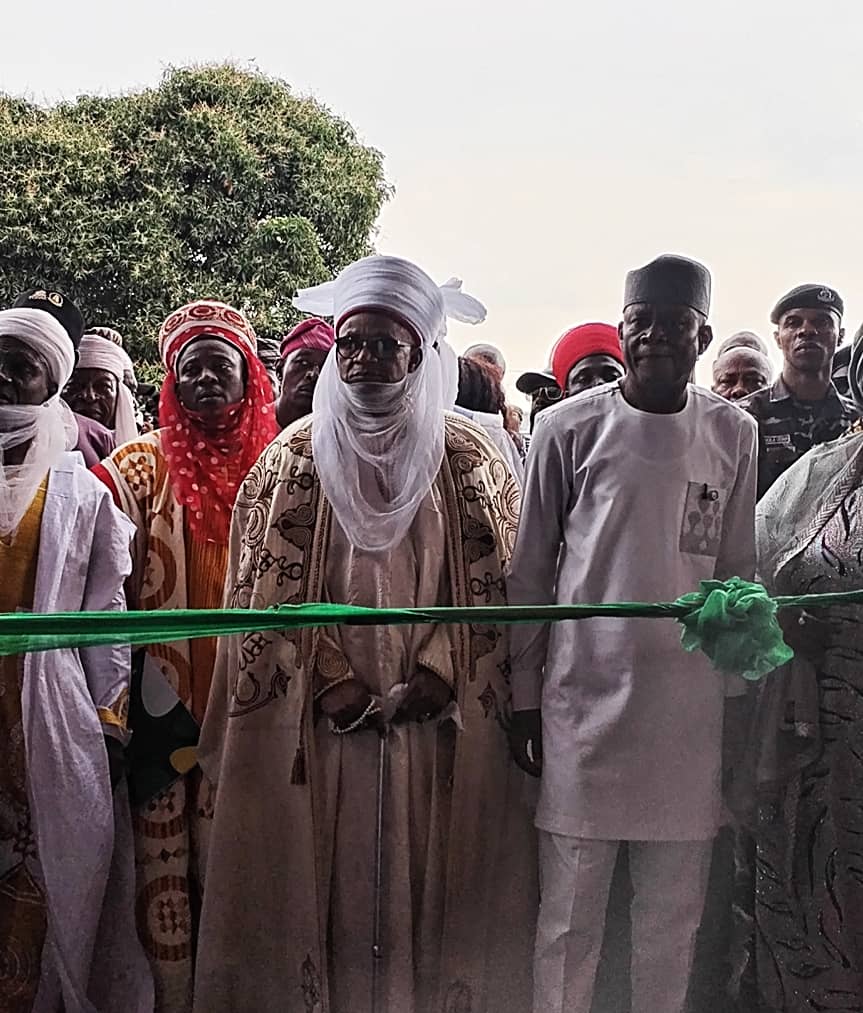
The Minister of State for Industry, John Enoh, noted that this year’s fair is taking place amid major global economic shifts and domestic security concerns, making regional cooperation and trade integration even more essential.
The Chairman of the House Committee on Commerce, Ahmed Munir, commended the Ministry of Industry, Trade and Investment and the LITF management for building a platform for ideas, innovation and partnerships.
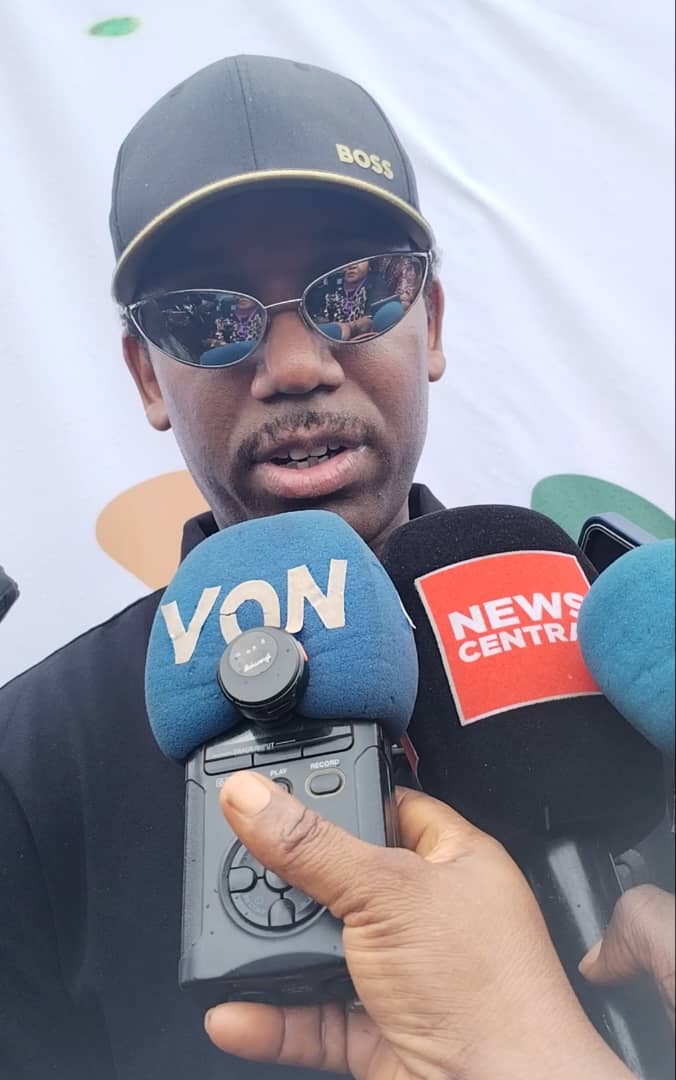
He said; “the National Assembly is working to strengthen the operating environment for the private sector — particularly MSMEs, which contribute nearly half of Nigeria’s GDP — by passing legislation to ease regulatory bottlenecks and improve business infrastructure.”
Munir reaffirmed lawmakers’ commitment to the “Nigeria First” policy in public procurement and said the proposed Weights and Measures Centre will help ensure product quality and enhance competitiveness.
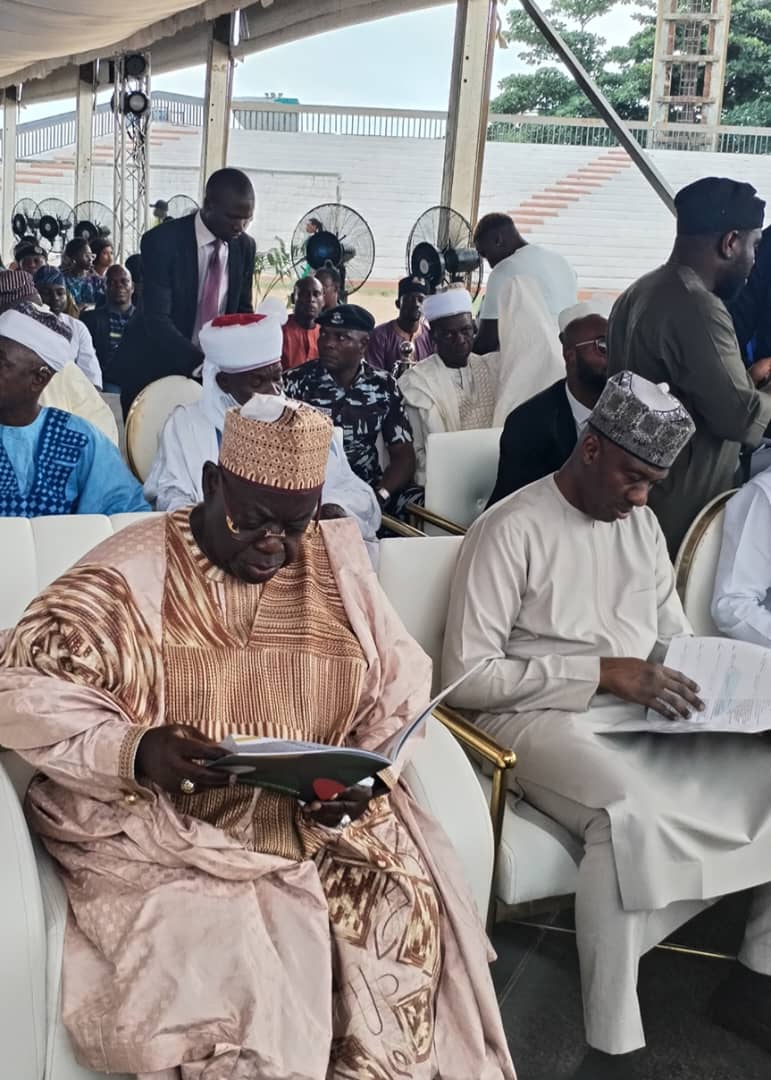
Other stakeholders including SMEDAN DG Charles Odii, APT Chairman Eric Ilechukwu and others, stressed the importance of developing key sectors such as education and commerce while urging exhibitors to improve product quality and uphold standards.
They emphasised that Nigerians must support locally made products to strengthen SMEs and drive economic growth.
The event attracted officials from the Ministries of Industry, Trade and Investment; Commerce, Cooperatives and Steel Development; state governments, lawmakers, traditional rulers, captains of industry, NEXIM Bank, SMEDAN, NACCIMA and NAWE.
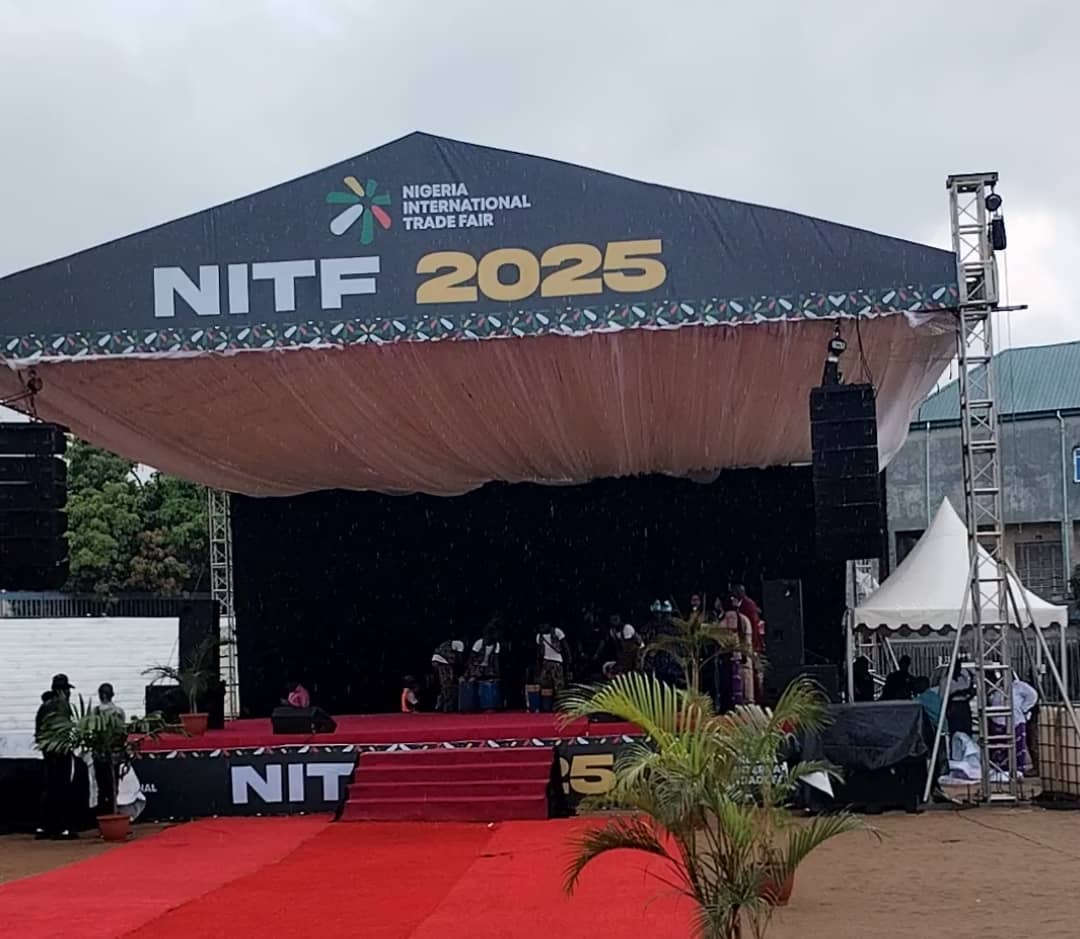
It featured discussions on trade policy, industrial growth, SME support, export development, financing, innovation, partnerships and enterprise expansion.
Mercy Chukwudiebere