

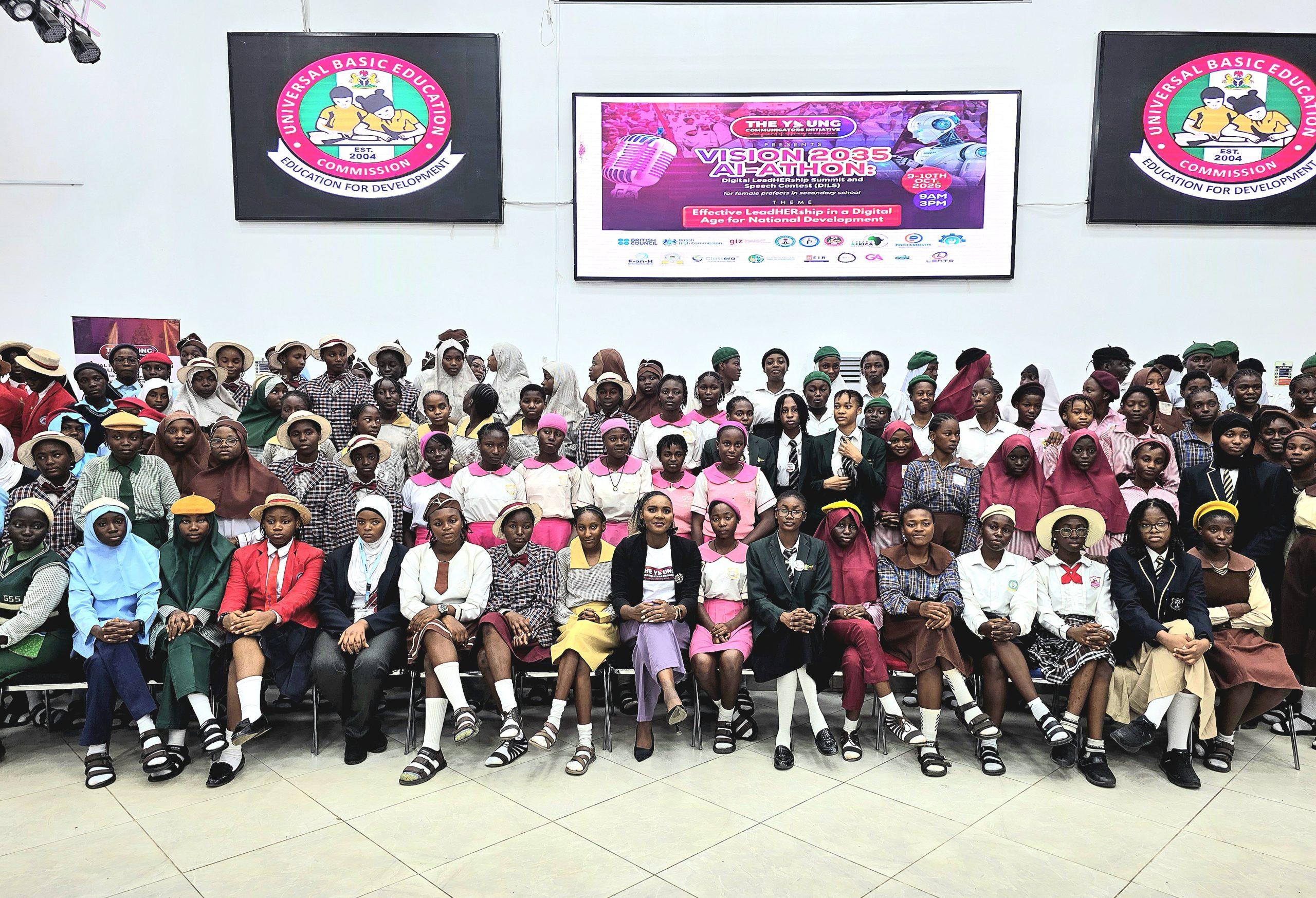
As Nigeria marks the International Day of the Girl Child, the Young Communicators Initiative (YCI) has launched the Vision 2035 AI-Athon, an inter-school digital leadHERship summit and speech contest to groom young female leaders for an AI-driven future.
The summit, held in Abuja, was themed “Effective LeadHERship in a Digital Age for National Development.” It brought together schoolgirls from public and private institutions to enhance their leadership and digital skills.
Diplomatic Support
Representing the Deputy Commissioner of the British High Commission, Senior Programme Manager Ms Na’anchin Muhammad said that investing in girls is synonymous with investing in national development.
“For us, investing in girls is investing in Nigeria’s development. Technology opens opportunities to contribute to nation-building.”
Encouraging the girls to aim higher, she added, “We have so many goals, that there’s a national plan, there are the SDGs, you know, and other things, and this particular event, especially the AI and digital space, I believe it’s an opportunity to just open the minds of these girls, and help them to see what they can do, to contribute to the national development of Nigeria. So, it’s really great.”
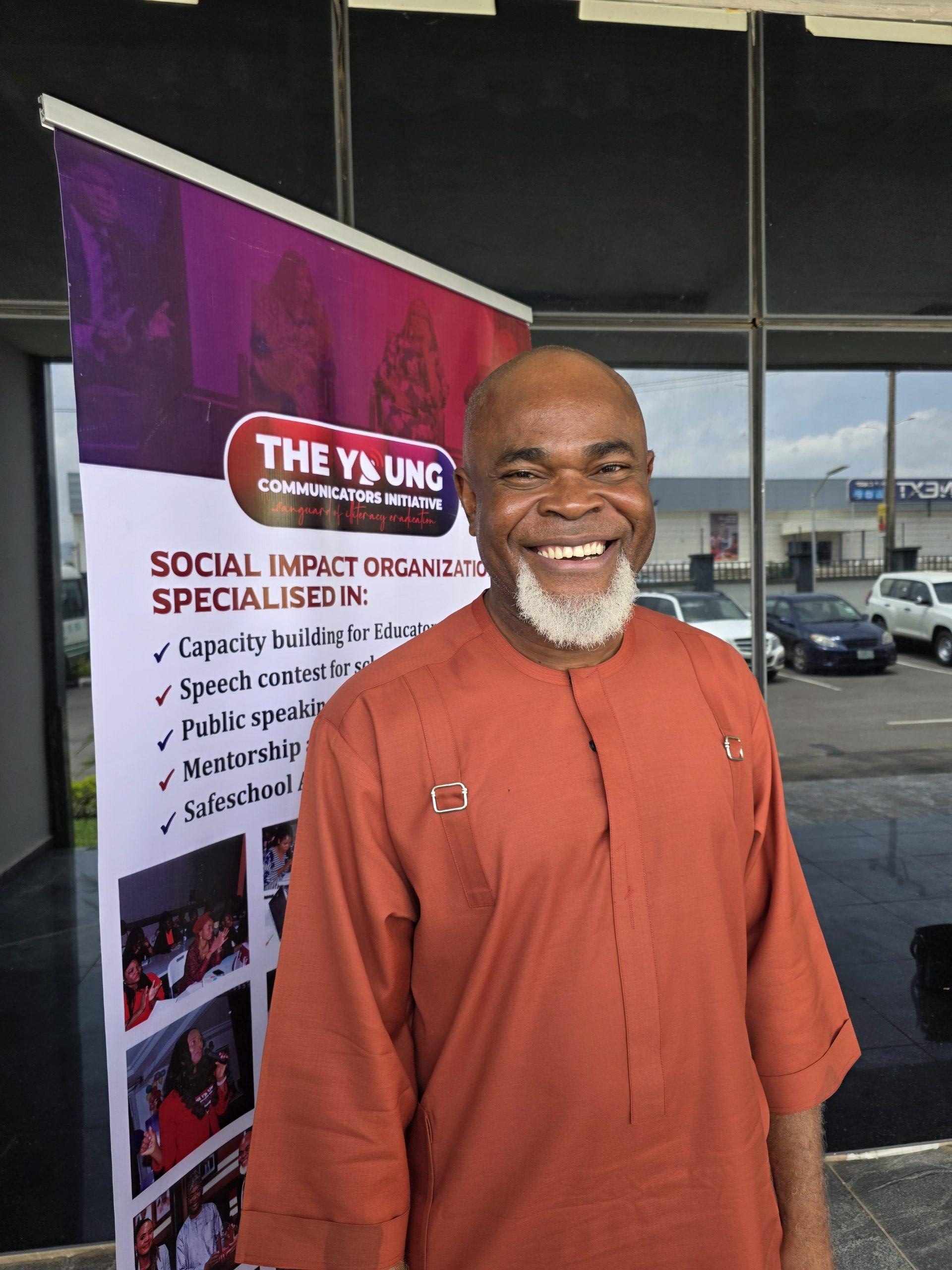
Dr Chikodi Onyemerela, Director of Programmes and Chairman of the Board, British Council Nigeria, praised the summit as “a winning model by an indigenous NGO,” urging stronger collaboration between government and civil society to expand its impact.
“This is a very interesting model, harvesting young girls who are prefects in their respective schools. Because they have been charged with leadership responsibilities early, chances are that they will be leaders at the university level, at NYSC, and even nationally.”
Calling for wider support, he added: “Being a girl doesn’t connote limitation. Anecdotally, girls lead better because the audacity to commit certain things is rare among them. I call for corporate support to NGOs of this nature. I don’t know how they are funding it, but I sense a genuine interest in developing the girl child.”
Speakers’ Perspectives
Mrs Adesola Oyinloye-Ndu, Special Adviser to the Chairman of the Federal Inland Revenue Service (FIRS) on Customer Centricity, emphasised confidence-building and equal upbringing.

“I’m a mentor and anti-bullying advocate. Once you’re confident, the sky is the starting point. The girl child must believe she can do it.”
Reflecting on the role of education, she said: “Education accessibility and affordability need rethinking, but determination matters most. We must
bring back the values of ‘I can do it.’ Raise every child as a human being first; gender is secondary.”
Speaking on the purpose of the summit, Chinenye Priscilla Anaemena, Founder of YCI, said it was conceived to bridge the gender gap in leadership and digital inclusion.
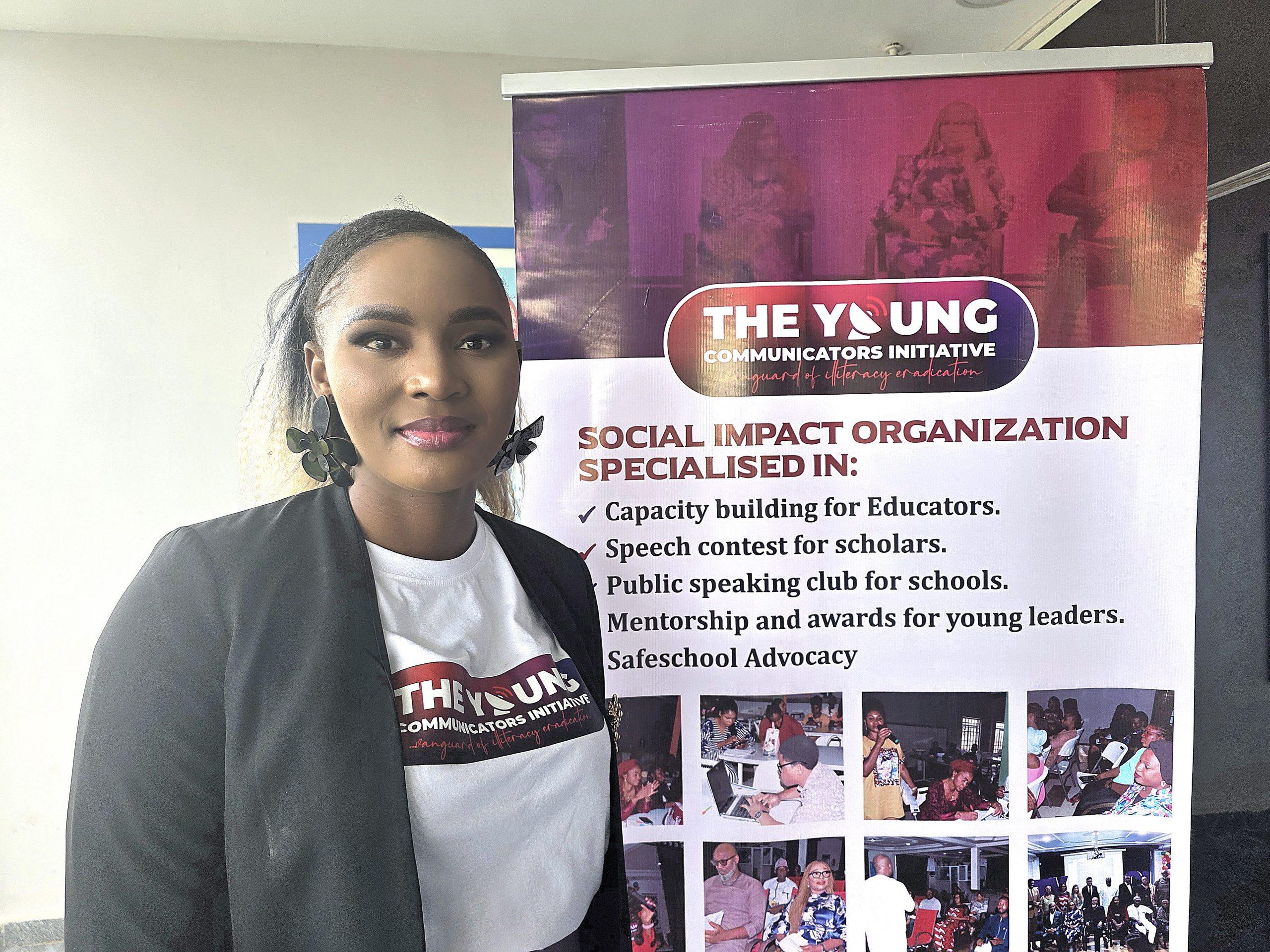
“It’s high time our girls were prepared to bridge that gap. We’re not just training them; we’re facilitating learning in artificial intelligence.”
She explained that participants would design community projects through post-event mentorship.
“They’ll conceptualise leadership frameworks and community development projects, like ‘Paint to Protect,’ which promotes pedestrian safety. We won’t put words in their mouths; these are their own ideas.”
On expanding the reach of the project, she said, “This is the maiden edition. We’re collaborating with the FCT Secondary Education Board and UBEC to replicate it nationwide. We have participants from underserved areas because leadership opportunity shouldn’t be for the privileged few.”
She concluded with a passionate reminder: “Do not forget; train a woman, you train a nation. If we must move female representation from 4.3% to 15 or 20%, we must start with the girl child.”
Similarly, Mrs Funmilayo Kayode, Director of Mobilisation and Sensitisation at the FCT Secondary Education Board, said the partnership with YCI underscores the agency’s commitment to girls’ education.
“Knowledge is power. What these girls are getting here today can take them to greater heights.”
Recalling her experience as a school principal, she said: “When we allowed democratic elections for prefects, 90% of class captains turned out to be girls. We encouraged them, and 80% of leadership positions were taken by girls. It shows what happens when they’re given a chance.”
However, she cautioned against excluding boys from empowerment programmes: “This focus on girls is yielding fruit, but boys too need support. Many come from single-mother homes, and we must balance our advocacy.”
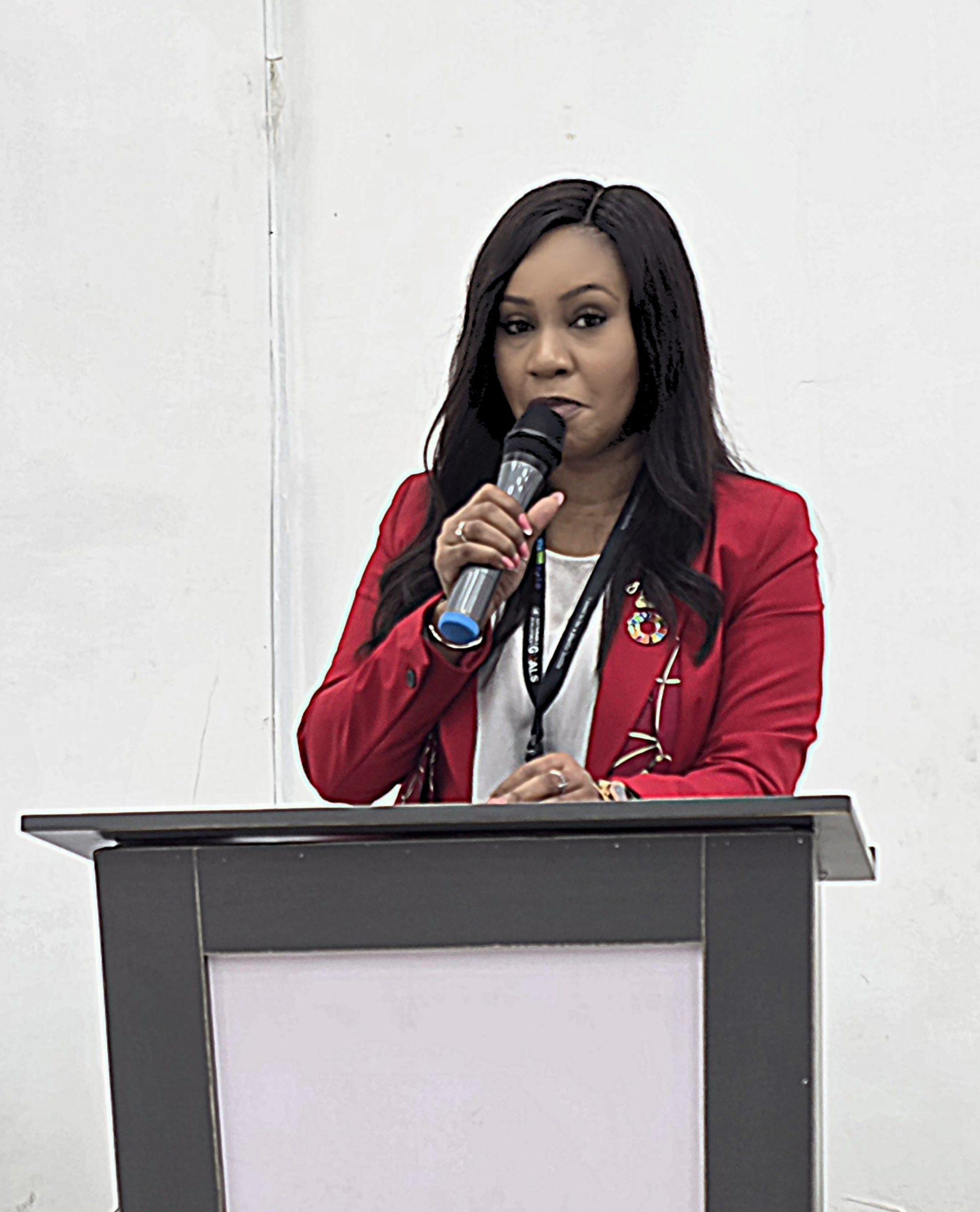
Anuli Aniebo, Founder and Executive Director of Heir Women Hub, urged the participants to embrace inclusion and resilience.
“While you do this for girls, remember — it’s for all of us. There are structural and systemic barriers, but don’t let them get to you.”
Encouraging boldness, she told them, “There is a place for you. Move from being uncomfortable. The world won’t give it to you because you’re a girl; you must show up and work hard. Intelligence is your best tool.”
On leveraging AI, she added, “Push yourself past the limits of what this country provides. The AI era is yours. You can create the space and move it forward. The next global celebration could be yours.”
Participants’ Reflections
For the girls, the summit was both inspiring and empowering.
Oluwaoloni Gbadamosi, 13, from Nigerian Tulip International Colleges, said: “It makes me feel seen as a girl child. Sometimes it’s hard dealing with stereotypes, but this programme shows me I’m not alone. I can do this.”
Halima Adeola Akanbi, 15, from Government Secondary School, Mabushi, said: “Most people think girls can’t do much, but this programme breaks barriers. It makes me feel I can do anything. AI helps me with schoolwork and assignments. This AI-thon is a big deal to me.”
For Aisha Sadiq Yari, 15, from Fariah Academy, the experience sparked innovation: “It empowers young girls like me in the AI world, and it helps us foresee our future, how it’s going to be, and how things are going to work out. I want to build an app for young girls like us, growing up.

“It will help young girls like us be what we want to be, help us choose our future career paths because I’ve had a really bumpy journey choosing a career for myself, so I don’t want that to happen for other people growing up.”
As the voices of mentors and mentees echoed through the hall, one message stood out: “The future of Nigeria’s leadership lies in equipping girls with digital competence, confidence, and courage.”
From government and NGOs to diplomatic partners and schools, the Vision 2035 AI-Athon stands as a powerful reminder that empowering girls today shapes the innovation and governance of tomorrow.