

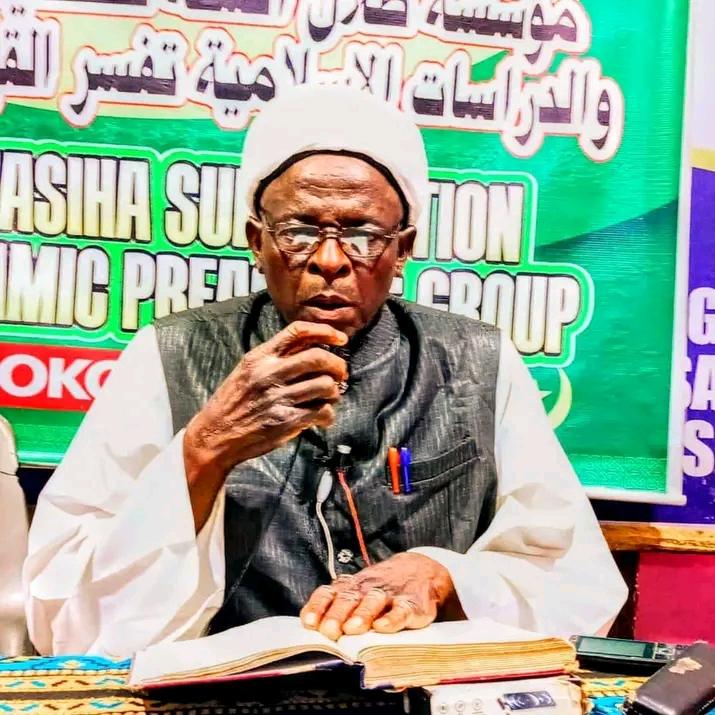
A prominent Nigerian Islamic scholar, Sheikh Bello Mai Nasiha, has urged religious leaders to take a frontline role in promoting family planning and child spacing, framing the practice as both a public health priority and a principle consistent with Islamic teaching.
Sheikh Nasiha, speaking in Sokoto State in northwest Nigeria, said child spacing reduces maternal and infant health risks, improves family well-being, and strengthens social stability.
He stressed that religious leaders carry a unique influence in shaping community attitudes and should therefore educate followers on the health and social benefits of planned parenthood.
He underscored that child spacing is not only beneficial to the health of mothers and children but also consistent with the principles of Islam, which value moderation, responsibility, and the preservation of life.
“Clerics carry the responsibility of correcting such notions and guiding their followers with sound knowledge and wisdom.
“Islam encourages the protection of the mother and child. When pregnancies are properly spaced, it reduces health risks, prevents maternal mortality, and ensures the well-being of the family,” he explained.
He also highlighted that family planning provides parents with the ability to adequately cater for their children’s education, nutrition, and upbringing, which are integral responsibilities in Islam.
“By doing so, they can help families make informed decisions that strengthen both their health and economic stability,” he added.
The cleric cautioned against viewing family planning solely as a Western idea, insisting that its essence is rooted in the wisdom and responsibility that Islam has always encouraged.
He urged couples to consult medical experts alongside religious guidance when making decisions on birth spacing.
Sheikh Mai Nasiha called on fellow scholars and Imams across mosques in Sokoto and beyond to include discussions on child spacing in their sermons and teaching sessions, as this would reach the grassroots and create awareness among people in both rural and urban communities.
He further urged government agencies and non-governmental organisations to collaborate with religious leaders in sensitisation campaigns, noting that such partnerships would bridge the gap between medical science and religious understanding.