

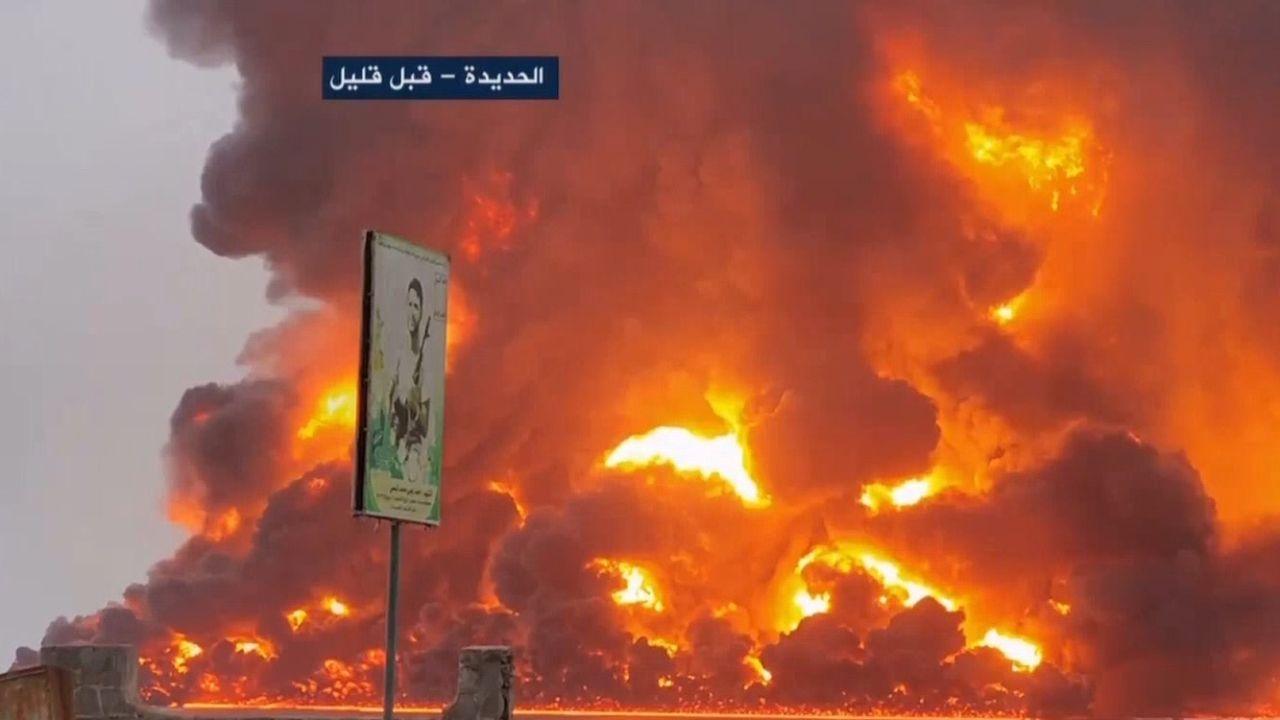
A dramatic escalation in hostilities between Israel and Iran on Sunday resulted in widespread civilian casualties and intensified fears of a broader regional war. Both nations launched new rounds of strikes, urging civilians on the opposing side to seek safety amid ongoing attacks.
Israeli Prime Minister Benjamin Netanyahu vowed Iran would “pay a heavy price” following a deadly missile strike in Bat Yam, near Tel Aviv, that killed six people. In turn, Iran’s military warned Israelis to avoid “vital areas” as it launched a series of retaliatory missile attacks, including a daylight barrage over Tel Aviv and a deadly night strike on Haifa that injured at least 11.
German Chancellor Friedrich Merz, speaking at a G7 summit in Canada, expressed hope that global leaders could help de-escalate the situation. Meanwhile, humanitarian teams in Israel searched through rubble, reporting at least 13 civilian deaths over two days. Iran reported even higher casualties, saying over 130 people had died since Friday, including dozens of children in a single strike on a Tehran apartment block.
The conflict began Friday when Israel launched a surprise offensive targeting Iran’s nuclear and military infrastructure. Iran’s Revolutionary Guard intelligence chief, Mohammad Kazemi, and his deputy were killed in a Sunday strike, according to Iranian media.
An Israeli official said many high-priority targets remain, and the offensive will continue. Israel also confirmed it hit an Iranian refuelling aircraft in its longest-range strike yet.
Amid the intensifying conflict, U.S. President Donald Trump reportedly blocked an Israeli plan to assassinate Iran’s Supreme Leader Ayatollah Ali Khamenei. “We’re not targeting political leadership unless Americans are attacked,” a senior U.S. official told Reuters. Trump, while denying U.S. involvement, warned Tehran that any strike on American interests would provoke an overwhelming military response.
The growing crisis also rattled financial markets. Oil prices surged 9% on Friday, and traders are bracing for further volatility as markets reopen. Israel has so far targeted Iran’s domestic fuel infrastructure, sparing export hubs, but analysts warn the situation could change rapidly if Gulf shipping lanes are disrupted.
Nuclear negotiations between Iran and the U.S. have collapsed, with Tehran declaring it will not negotiate under attack. The Tel Aviv Stock Exchange closed slightly higher on Sunday, but global markets remain on edge.
With fears mounting of further escalation, civilians in both countries are left to endure sleepless nights, uncertain of what tomorrow may bring.