

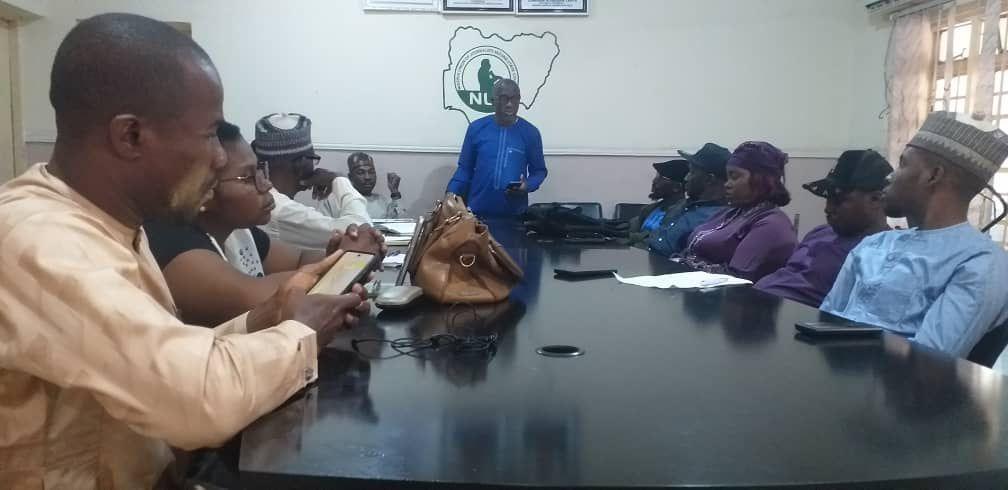
In a bid to address the growing mental health challenges facing journalists, the Nigeria Union of Journalists (NUJ), Kaduna State Council, in collaboration with the Africa Media Development Foundation (AMDF), has launched a strategic initiative aimed at tackling stress, trauma, and emotional burnout among media professionals.
Speaking during a special training session held in Kaduna on Friday, the NUJ State Council Chairman, AbdulGafar Alabelewe, represented by the Council Secretary, Gambo Santos, described the programme as a crucial investment in the overall well-being of journalists.
Read More:NUJ, Nizamiye Hospital Provide Journalists Free Check-ups
He noted that media practitioners, in the discharge of their duties, are often exposed to harrowing experiences — from reporting scenes of fatal accidents to covering insurgency attacks and interviewing victims of violence — situations that leave deep psychological imprints.
“This training is not just another workshop,” but “It is a deliberate effort to help us recognise signs of stress, trauma and burnout. It is about learning how to cope and remain resilient in the face of adversity.”
Alabelewe lauded AMDF for its consistent partnership with the Kaduna NUJ, especially in championing capacity-building initiatives ranging from investigative journalism and fact-checking to the current focus on mental wellness.
In her remarks, the Executive Director of AMDF, Sekyen Dadik, said the mental health initiative was borne out of feedback received at the 2024 Africa Conference on Development Journalism, where journalists showed significant interest in the subject.
“This project is dear to my heart. Journalists are the conscience of the society, but they are also exposed to unique pressures that can severely affect their mental health. It’s time we took that seriously,” she said.
Dadik appreciate the NUJ Kaduna Council for its willingness to collaborate, while commending the resource person, Dr. Sanni Kamaldeen, for his expertise and dedication to mental health advocacy.
Delivering his lecture, Dr. Kamaldeen, a consultant psychiatrist, urged journalists to take mental health as seriously as physical health, stressing the importance of recognising early warning signs of emotional exhaustion, anxiety and depression.
He called on media professionals to shed the culture of silence around mental struggles and to seek help without shame. “Timely intervention,” he said, “can prevent far more serious consequences down the line.”
Participants appreciated and described the training as timely, especially in view of the increasingly tense and traumatic work environments that many journalists now navigate.