

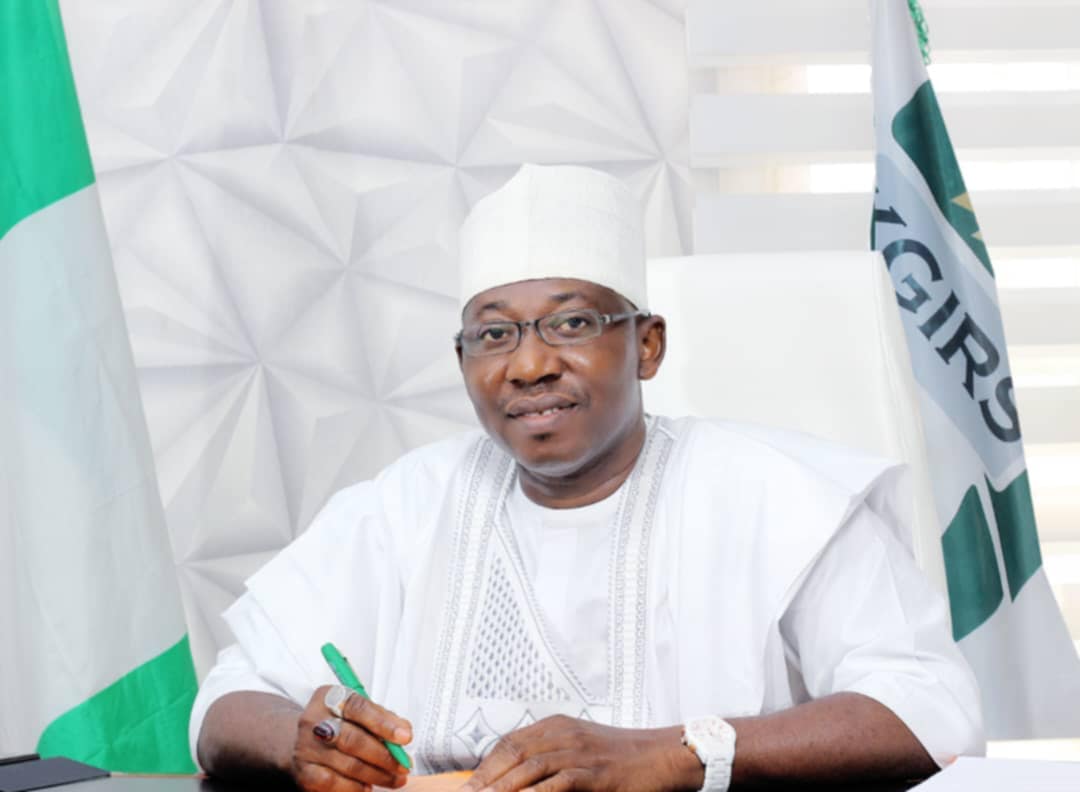
Kogi State Internal Revenue Services (KGIRS) has urged the State House of Assembly to domesticate the Nigeria Tax Act and Nigeria Tax Administration Act to ensure easier implementation within the state.
The Executive Chairman of KGIRS, Dr Salihu Enehe, who led a team to the Assembly Complex in Lokoja, said the awareness meeting with the Assembly had become necessary.
He described the Nigeria Tax Act as a comprehensive consolidation of various tax laws previously operating independently across the country, aimed at addressing issues of multiple taxation and promoting transparency in tax administration.
Dr Enehe commended President Bola Ahmed Tinubu for taking a bold step with the tax reforms, noting that the initiative fosters harmony within the national tax ecosystem.
He explained that the implementation of the new tax laws, scheduled to take effect from January 2026, would enhance transparency in tax administration, business transactions, and investments as part of efforts to curb tax evasion.
“On the 26th of June this year, the President of the Republic of Nigeria signed four laws, which have caused disruptions going forward in terms of tax and administration.
“With these disruptions come both great opportunities and significant threats—a great opportunity for those ready and prepared to comply with the laws, but a great threat for those who wish to remain in the past and resist change,” he said.
According to Dr Enehe, the four laws include the Nigeria Tax Act, Nigeria Tax Administration Act, Joint Revenue Board Establishment Act, and Nigeria Revenue Service Establishment Act.
He noted that implementing the Nigeria Tax Act and the Nigeria Tax Administration Act at the state level would be equitable, benefiting low-income earners, reducing the burden on middle-income earners, and imposing higher taxes on high-income earners.
Under the new tax framework, effective January 2026, individuals earning a gross annual income below N1.3 million will be exempt from tax, while middle-level earners with annual income between N1.3 million and N3 million will enjoy reduced taxes.
Conversely, those with gross annual income above N3 million—including high-net-worth individuals and business organisations- will pay higher taxes.
A consultant with KGIRS, Barrister Henry Ojuola, urged the Assembly not to bother enacting new laws on the matter, despite the Acts providing the option.
Barrister Ojuola, a former member of the Assembly, advised both the Assembly and KGIRS to rely on the existing Acts for implementation, noting that Chapter 5 of the Tax Administration Act specifies offences and punishments for the Tax Tribunal.
“Ensure your Tax Tribunal is effective by appointing ‘unpurchaseable persons’ as members. Ensure that the tax collectors are honest Nigerians,” the legal practitioner advised.
In his closing remarks, the Chairman of the House Standing Committee on Finance, Hon. Akus Lawal, thanked the KGIRS Chairman and his team for initiating the engagement.
Lawal expressed optimism that Kogi State would soon rank third among the 19 Northern states after Kano and Kaduna, and first in the North-Central region, in terms of Internally Generated Revenue (IGR).
Representing Ankpa I Constituency, he said the legislators were now better informed on revenue and tax administration in Nigeria and looked forward to receiving the two tax laws to “do the needful.”