


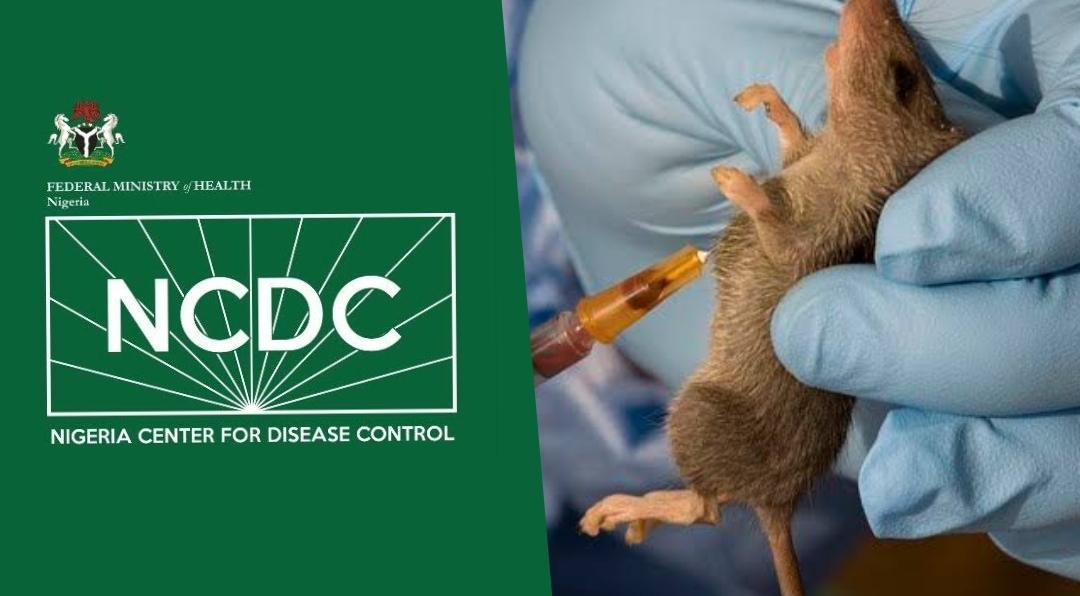
The Nigeria Centre for Disease Control and Prevention (NCDC) has reported a further rise in confirmed cases and fatalities from Lassa fever, as of Epidemiological Week 23 (2nd to 8th June 2025).
According to the agency’s latest situation report, 11 new confirmed cases and one death were recorded within the week, bringing the total number of fatalities to 143 this year.
“So far in 2025, a total of 758 confirmed cases have been reported from 5,540 suspected cases across 18 states and 96 Local Government Areas,” the NCDC stated.
While this figure reflects a decline in both suspected and confirmed cases compared to the same period in 2024 (which recorded 911 confirmed cases and 162 deaths), the 2025 Case Fatality Rate (CFR) has risen to 18.9%, up from 17.8% in 2024.
The NCDC noted that approximately 90% of confirmed cases were reported from five high-burden states:
- Ondo (31%)
- Bauchi (25%)
- Edo (16%)
- Taraba (15%)
- Ebonyi (3%)
Young adults aged 21–30 years remain the most affected demographic, with a male-to-female ratio of 1:0.8.
🚨 Lassa Fever Update | Week 23 (2nd – 8th June, 2025)
📊 11 new confirmed cases were reported from Ondo, Bauchi, Edo & Taraba states.
📍 758 confirmed cases and 143 deaths have been recorded so far in 2025.
⚠️ CFR currently stands at 18.9%, higher than 2024’s 17.8%.💡 Let’s… pic.twitter.com/R3VM7GDwHW
— NCDC (@NCDCgov) June 17, 2025
The report also confirmed one new infection among healthcare workers during the week, raising the number of affected frontline workers in 2025 to 23.
“In response, the national multi-sectoral Lassa fever Incident Management System remains active to coordinate control efforts at all levels,” the NCDC affirmed.
Ongoing interventions include:
- Sensitisation of clinicians
- Community awareness campaigns
- Deployment of rapid response teams
- Provision of personal protective equipment (PPE)
- Supply of treatment commodities to affected facilities
Read Also: NCDC Confirms Lassa Fever Surge Despite Response Efforts
To further strengthen its response, the NCDC has launched an Infection Prevention and Control (IPC) e-learning platform and is collaborating with both local and international partners to limit transmission.
Despite these efforts, the agency acknowledged persistent challenges such as:
- Late presentation of cases
- Poor health-seeking behaviour
- Inadequate environmental sanitation in high-risk areas
The NCDC has urged the public to prioritise hygiene and seek immediate medical attention upon noticing symptoms.
Lassa fever is an acute viral haemorrhagic illness endemic to Nigeria. It is primarily transmitted through contact with food or household items contaminated by excreta or urine of infected rodents.
Human-to-human transmission is also possible, especially in healthcare settings lacking proper IPC measures.