


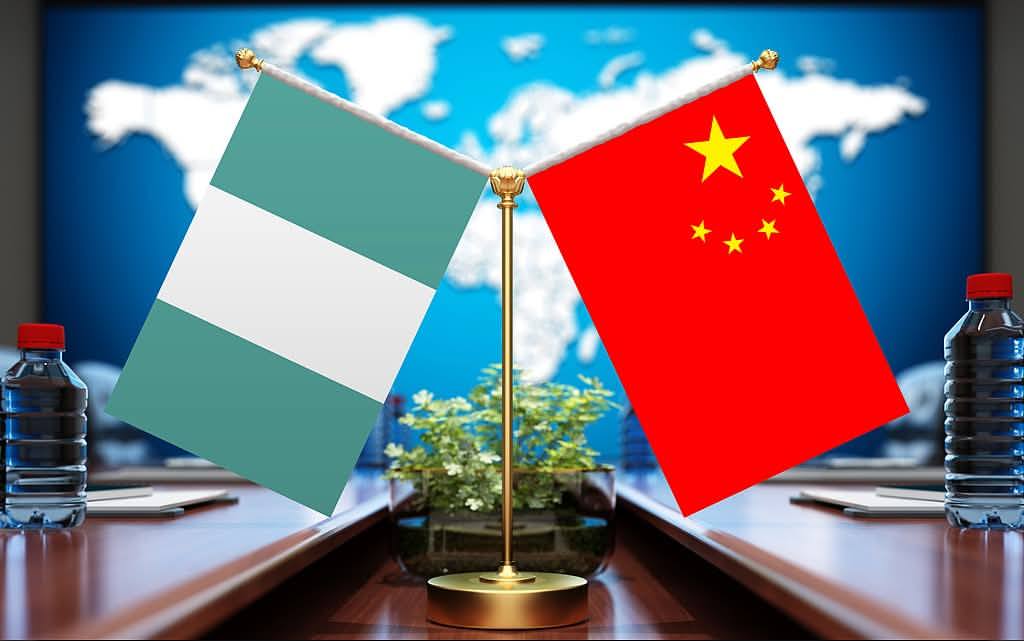
The Communist Party of China (CPC) is the world’s largest political party with over 95 million members and has played a central role in China’s transformation since its founding in 1921.
From humble beginnings, it has guided China into becoming one of the leading economies of the world, demonstrating how discipline, long-term planning, and people-centred governance can serve as tools for national development.
Nigeria, Africa’s largest democracy, also has vibrant political parties such as the Peoples Democratic Party (PDP) and the All Progressives Congress (APC). Though younger and operating in a multi-party environment, Nigerian political parties are also central to the country’s democratic journey. As Nigeria continues to strengthen its democracy, there are valuable insights it can draw from the CPC experience while also offering its own unique democratic contributions to global governance.
Shared Origins and the Power of Vision
Both China and Nigeria share histories shaped by struggles for unity, resilience, and the pursuit of national development. The CPC was founded in 1921 at a time when China was fragmented, while Nigeria’s modern political parties emerged in the late 20th century to consolidate democracy after years of military rule.
What both contexts reveal is the importance of strong, visionary leadership and collective purpose. Just as the CPC anchored its growth on long-term discipline and ideological clarity, Nigeria’s parties continue to evolve as pillars of democratic participation, inclusion, and nation-building.
People-Centered Governance
A defining strength of the CPC is its commitment to people-centred governance, placing citizens at the heart of decision-making. This principle resonates with Nigeria’s democratic ideals, where political parties are expected to represent the will of the people and address their needs.
Both China and Nigeria can share experiences on how governance can remain closer to the grassroots, ensuring policies address the aspirations of ordinary citizens. In this way, parties in both countries can serve as engines of social stability and development.
Accountability and Discipline
The CPC has built systems of accountability aimed at ensuring discipline within its ranks and curbing excesses. Nigeria, on the other hand, continues to strengthen its democratic institutions and anti-corruption frameworks to improve public trust. Both systems highlight a shared global challenge: the need for integrity and transparency in governance.
By exchanging best practices, Nigeria and China can jointly demonstrate how discipline and accountability in political leadership can enhance credibility and foster sustainable development.
Long-Term Planning and Development
China’s five-year development plans have been central to its modernisation drive. Similarly, Nigeria has developed national plans and policies aimed at diversifying its economy and achieving inclusive growth. Both nations recognise that sustained progress requires more than short-term victories; it demands vision, continuity, and collective ownership of national goals.
This shared emphasis on planning offers grounds for greater cooperation, particularly in areas such as industrialisation, education, infrastructure, and poverty reduction.
Global Cooperation and Shared Future
While China operates under a one-party socialist system and Nigeria under a multiparty democracy, both recognise the importance of political stability, unity, and people-centred leadership. Their different systems provide complementary lessons for the world: the CPC’s discipline and continuity on one hand, and Nigeria’s openness and democratic participation on the other.
Together, China and Nigeria, two of the world’s most populous nations, can chart a path of mutual learning. Strengthening party systems, promoting people-first governance, and pursuing long-term development are not just national goals but global responsibilities in a world seeking peace, prosperity, and equity.
The journey of the CPC and Nigeria’s political parties highlights that there is no single model of governance. What matters is discipline, accountability, vision, and the commitment to place people at the centre of development.
As China and Nigeria continue to deepen bilateral cooperation, the lessons from their political experiences can inspire not only their citizens but also the global community. Both nations, working together, can demonstrate how strong institutions and people-driven politics can shape a better future for humanity.