

By Mnena Iyorkegh, Abuja
Stakeholders from civil society, religious groups, government institutions, and development organisations have urged the Nigerian Government to fully implement the Supreme Court ruling on local government autonomy, describing it as essential to revitalising grassroots governance and promoting national development.
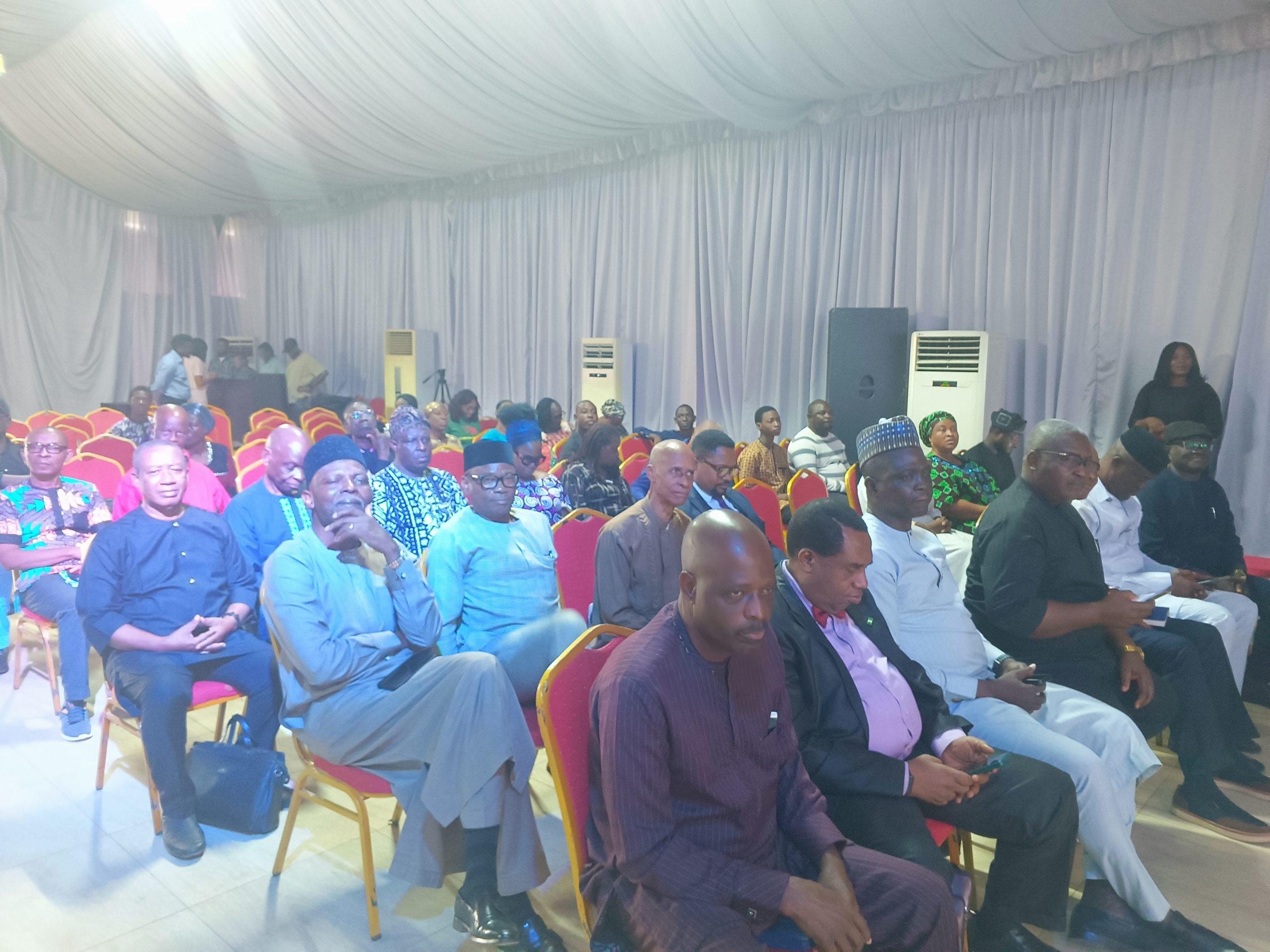
The appeal was made in Abuja during a National Dialogue Forum themed “Local Government Autonomy: Making It Work,” organised by the Change We Need Nigeria Initiative, a non-governmental organisation.
Delivering the keynote address, Dr Sam Amadi, Director of the Abuja School of Social and Political Thought, traced the historical evolution of local government in Nigeria and noted that the third tier of government has become largely inactive in most states.
He explained that many local governments are run by governor-appointed administrators rather than elected officials, contrary to constitutional provisions.
Dr. Amadi described the Supreme Court’s judgment as a corrective step toward restoring democratic governance at the grassroots.
However, he observed that parts of the 1999 Constitution might need amendment to align with the Court’s position and ensure clarity in the legal framework.
Speaking at the event, Dr. Cosmas Ilechukwu, General Overseer of the Charismatic Renewal Ministries, said that with genuine political will, the Supreme Court’s decision could transform governance in Nigeria.
He emphasised that independent electoral bodies, free from gubernatorial influence, are critical to credible local government elections.
Former Chairperson of the Abuja Municipal Area Council (AMAC), Ambassador Esther Audu, shared insights from her tenure, noting that community engagement and participatory governance are key to addressing rural challenges.
She called for greater accountability among local representatives and stronger collaboration between councillors and chairmen to promote responsive leadership.
Representing the President General of the Nigerian Union of Local Government Employees (NULGE), Oluwasoji Tolulope identified the lack of local government autonomy as the sector’s greatest challenge.
He stated that genuine autonomy would resolve most operational, financial, and developmental issues at the grassroots and enhance national prosperity if supported by political will.
Head of Advocacy, Policy, and Communications at WaterAid Nigeria, Kolawole Banwo, highlighted inconsistencies in the constitutional framework governing local governments.
He called for the abolition of the Joint Local Government Account, constitutional amendments to guarantee independent funding, secure tenure for elected officials, and credible elections.
He also proposed new accountability mechanisms, such as mid-term performance evaluations and succession frameworks, to improve transparency.
Participants urged local government chairmen who stand to benefit most from the Supreme Court ruling to lead the charge in enforcing true autonomy despite resistance from other interests.
The event also featured a debate by secondary school students on the topic: “Nigeria’s Development Depends on Strong Institutions, Not Strong Leaders.”