

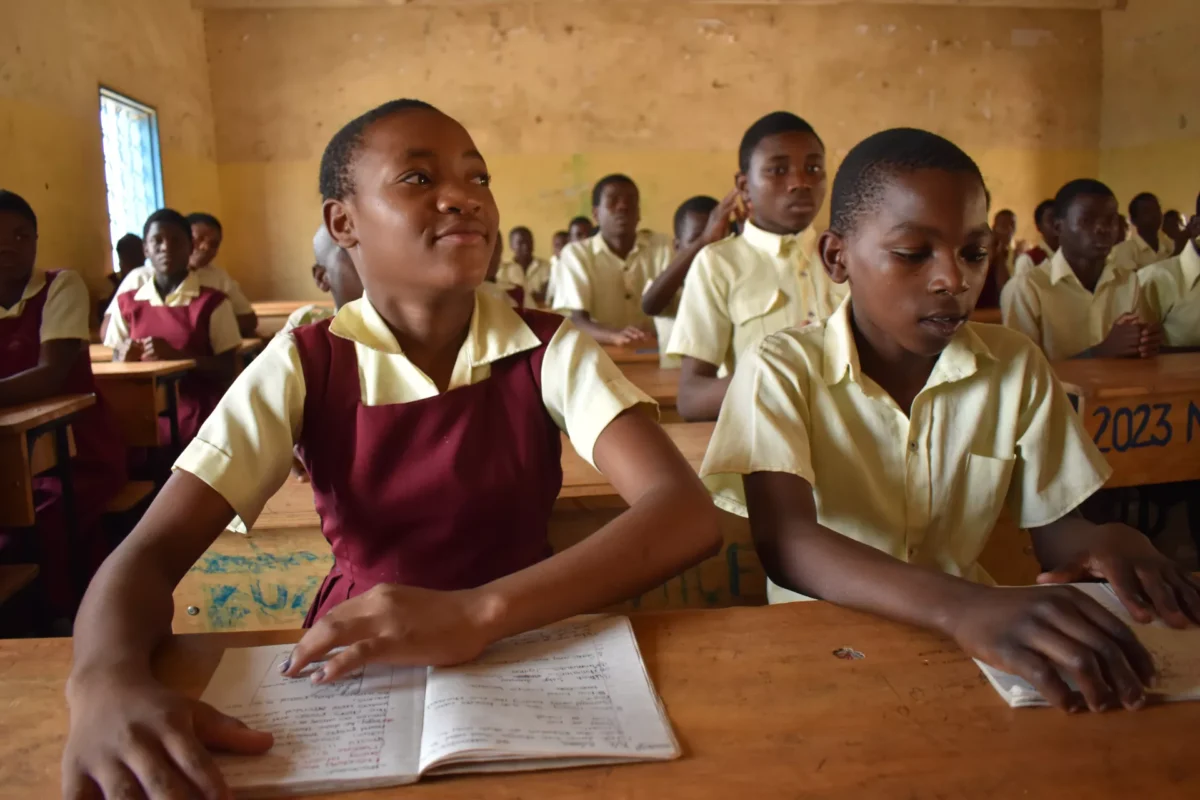
Malawi’s government has announced the abolition of key fees in public secondary schools, effective 1 January 2026, in a move aimed at expanding access to education.
The Ministry of Education confirmed that examination and identification fees charged by the Malawi National Examination Board, along with the School Development Fund and other user fees in public day secondary schools, have also been scrapped.
Learners will no longer be required to pay any fees at these institutions.
The Secretary for Education Ken Ndala said the policy is designed to boost human capital development in line with the national vision, Malawi 2063.
“Free Secondary Education will significantly advance Malawi’s human capital development,” he noted in a statement.
Boarding secondary schools will continue charging boarding fees while private secondary schools will maintain their prescribed fees.
Grant‑aided schools under the Association of Christian Educators in Malawi will only collect boarding fees, with government grants covering other costs.
The ministry said funding has already been released to schools ahead of the second term opening on 5 January, with additional allocations expected later in the month.
Recruitment of more teachers is planned for the 2026/27 financial year to support the expanded system.
Malawi has long struggled with low secondary school enrolment rates, high dropout levels and limited resources.
While primary education was made free in 1994, secondary schooling has remained out of reach for many families due to costs.
The new policy marks a significant step toward equity, but questions remain about whether the government can sustain quality amid rising enrolment.
Education experts warn that overcrowded classrooms, shortages of qualified teachers and inadequate infrastructure could undermine the reform’s impact unless addressed.
APA