

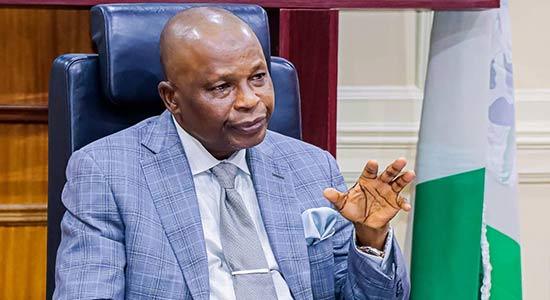
The Attorney General and Minister of Justice in Nigeria, Prince Lateef Fagbemi, has announced that all 36 states of the federation have now adopted their versions of the Administration of Criminal Justice Law (ACJL).
Fagbemi disclosed in Abuja during a stakeholders’ meeting to review and validate proposed amendments to the Administration of Criminal Justice Act (ACJA) 2015.
Represented by the director in the Solicitors Department of the Ministry of Justice, Mrs Gladys Ojegbame, he said the development demonstrates Nigeria’s “shared national commitment to fairness, equity, accountability and efficiency.”
The ACJA, first enacted in 2015, sought to harmonise criminal procedures across Nigeria, reduce trial delays, strengthen the rights of defendants and victims, and introduce innovations such as non-custodial measures and the abolition of arrest by proxy. A decade later, officials say progress has been made, but gaps remain.
“Legislation alone cannot resolve all challenges within the criminal justice system,” Fagbemi admitted. Yet, this review is a crucial step towards building a system that is fast, fair, effective, and responsive.”
He linked the reforms to President Bola Ahmed Tinubu’s Renewed Hope Agenda, which places justice reform at the centre of governance.
Civil society leaders also welcomed the reforms. Professor Yemi Akinseye-George, President of the Centre for Socio-Legal Studies (CSLS), praised the review process as an opportunity to “critically address existing shortcomings and enhance the system.”
Joshua Dada of the Rule of Law and Anti-Corruption Programme (RoLAC) added that while progress has been substantial, “successes achieved must be consolidated, and challenges addressed through updated laws.”
The meeting brought together key stakeholders, including representatives of the Federal High Court, the Directorate of Public Prosecutions, the Nigerian Police Force, the NDLEA, and the Law Reform Commission.