

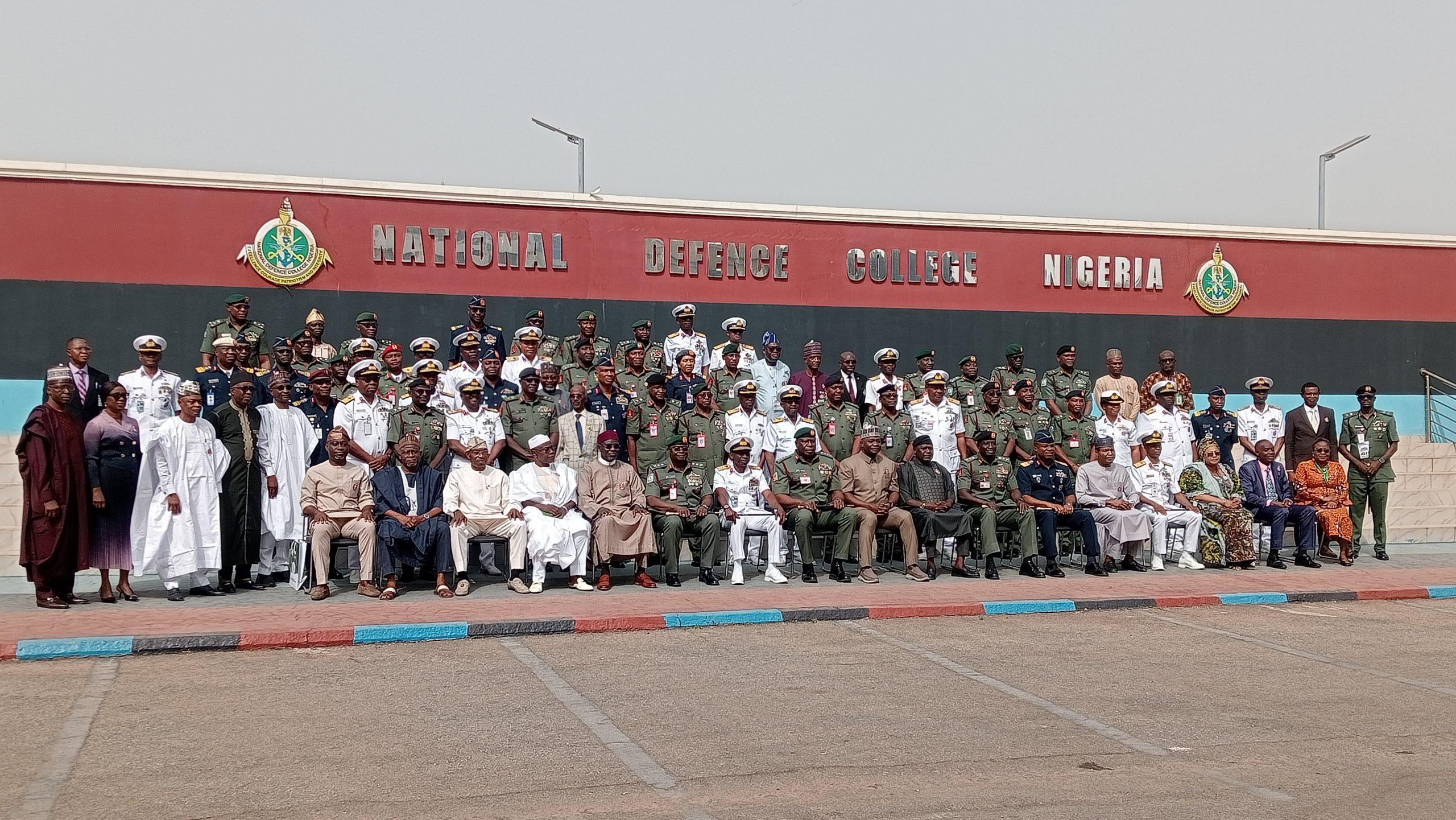
Nigeria’s Government has emphasised moves to reduce external dependence and turn defence into a pillar of national development.
This strategic direction was underscored by the Minister of Defence, General Christopher Musa (Retired), who reaffirmed the administration’s resolve to build a capable, professional and resilient Armed Forces anchored on strong local capacity and sustainable long-term capabilities.
According to the Minister, troops’ welfare, advanced training, refined doctrine and indigenous defence production are now central to national security planning, with renewed momentum given to reviving Nigeria’s defence industrial base through policy reforms and private sector participation.
“We are strengthening troop welfare, enhancing training, refining doctrine, and advancing indigenous defence production to ensure sustainable, long-term defence capabilities,” General Musa said.
He noted that legislative and policy reforms are opening defence manufacturing to innovation, job creation and local content development, while positioning defence as a driver of industrial growth and economic resilience.
The Defence Minister said Nigeria is actively exploring frameworks to harness the expertise of its highly skilled professionals at home and in the diaspora, stressing that local knowledge and technology must be integrated into national defence planning.
“Rather than losing this expertise, we are creating structured platforms to harness skills through collaboration, innovation and capacity building,” he stated.
General Musa said recent gains across land, air and maritime theatres reflect improved professionalism, operational effectiveness and intelligence-led operations, assuring that these successes would be sustained.
He highlighted improved naval operations and maritime domain awareness as key to curbing criminal activity, protecting critical national assets and boosting offshore productivity.
The Minister also stressed that modern security threats transcend national borders, making regional cooperation, intelligence sharing and joint operations essential to Nigeria’s security strategy.
“Security is a shared responsibility,” he said, calling for deeper engagement with communities, traditional institutions and local governments to disrupt criminal networks and sustain long-term stability.
He commended the Chief of Defence Staff, Service Chiefs and personnel of the Armed Forces for their resilience and sacrifice, while appreciating the continued support of the Nigerian people.
Also speaking at the Symposium, the Permanent Secretary, Ministry of Defence, Dr. Richard Pheelangwa, said Nigeria’s true defence strength lies not only in weapons and battlefield strategy, but in sacrifice, shared values, strategic leadership and collective national memory, as the country reflects on the meaning of security beyond firepower.
According to the Permanent Secretary, remembrance ceremonies are not merely symbolic rituals, but moments that compel the nation to interrogate the moral, historical and strategic foundations of its defence architecture.
“The strength of any nation lies not only in its weapons or military strategies, but in sacrifice, shared values, collective memory, and unwavering commitment to national service,” Pheelangwa said.
He noted that while the National Defence College is designed to sharpen strategic thinking, occasions such as AFCRD demand an even broader reflection, one that connects history, ethics and leadership to modern security realities.
“The resilience of any defence system is not measured solely by its firepower, but by the quality of its leadership, the clarity of its vision, and the unity of its purpose,” he stated.
Dr. Pheelangwa stressed that strategic thinking must be treated as a core pillar of national defence, standing alongside courage and operational effectiveness on the battlefield.
He further reminded participants that Nigeria’s defence responsibilities extend beyond its borders, requiring professionalism, restraint and a continued commitment to peace and stability within the global security community.
The Permanent Secretary said the symposium provides an opportunity to renew collective commitment to service above self, national unity and the enduring values that bind the Armed Forces to the Nigerian state.
The AFCRD lecture forms part of activities honouring fallen heroes of the Armed Forces of Nigeria, while challenging current and future leaders to safeguard the ideals of independence, unity and national purpose for generations to come.
Lateefah Ibrahim