


Nigeria’s security challenges cannot be addressed by the military alone and require a collective effort involving citizens, communities, and institutions across the country.
The position was emphasized during a courtesy visit by the National Forum of Former Legislators to the Ministry of Defence in Abuja, where the Minister of State for Defence, Bello Matawalle highlighted the limits of force without public cooperation and intelligence support.
According to a statement from the Ministry, “national security extends beyond the Armed Forces and the Ministry of Defence, and relies heavily on community vigilance, timely intelligence sharing and active citizen participation.”
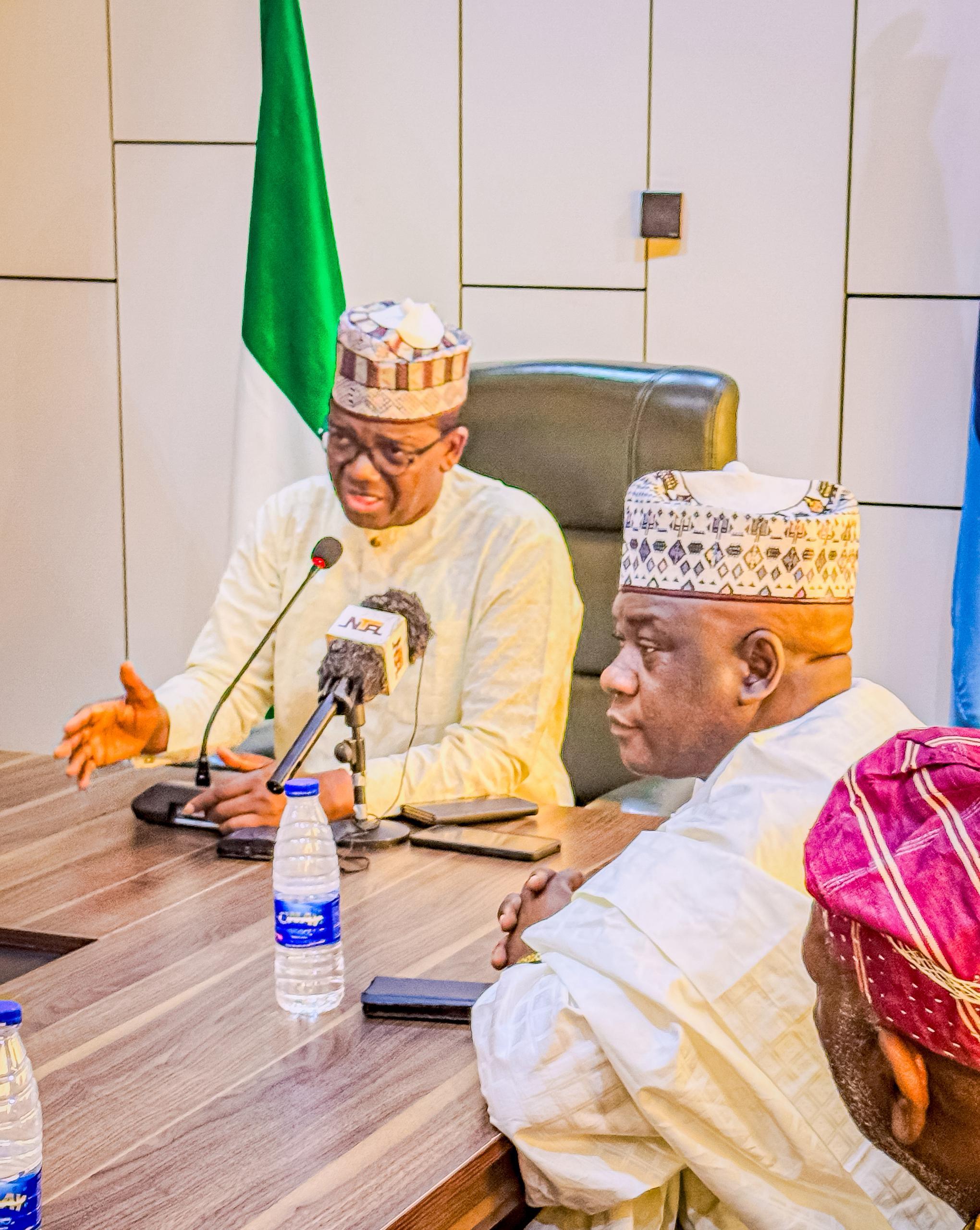
“Safeguarding the nation goes beyond the efforts of the Ministry of Defence and the Armed Forces alone. It depends greatly on public cooperation, timely intelligence sharing and community vigilance,” Matawalle said.
He acknowledged that public concern and criticism of security outcomes are expected within a democratic setting, but stressed the need to understand current threats within their proper historical and operational context.
“Public concerns and criticisms are understandable within a democratic society. However, it is important to situate these challenges within their proper historical and operational context,” he stated.
The Minister noted that under the current administration, the Ministry of Defence, working with the Armed Forces and other security agencies, has intensified renewed strategies, strengthened inter agency collaboration, sustained operations and capacity building aimed at protecting lives and securing communities nationwide.
Matawalle reaffirmed the Nigerian Government’s commitment to a collaborative security framework that brings together the Executive and Legislative arms.
He stressed that “Nigeria’s security challenges require both kinetic and non kinetic responses, including intelligence coordination and effective legislative oversight.”
The Minister further highlighted the value of the experience and institutional memory of former legislators in shaping policies that promote peace, stability and national cohesion, assuring the visiting forum of the ministry’s readiness to work closely with them and other relevant stakeholders.
The leader of the delegation and former lawmaker, Raphael Nnanna Ibekwe, said “the visit was to identify with the ministry’s efforts and acknowledge the complexity of the security environment.”
“Security is a collective responsibility. We are calling on Nigerians to support the Ministry, the government and the security agencies so that emerging threats can be identified and addressed early,” Ibekwe said.
He pledged the forum’s willingness to support the Ministry of Defence, particularly in non kinetic approaches, noting that the group includes experienced professionals and security experts who can contribute meaningfully to national stability.
The engagement reflects the Defence Ministry’s ongoing outreach to civilian institutions as part of a broader effort to align national security with public trust, legislative support and whole of society participation.
Lateefah Ibrahim