

Glory Ohagwu
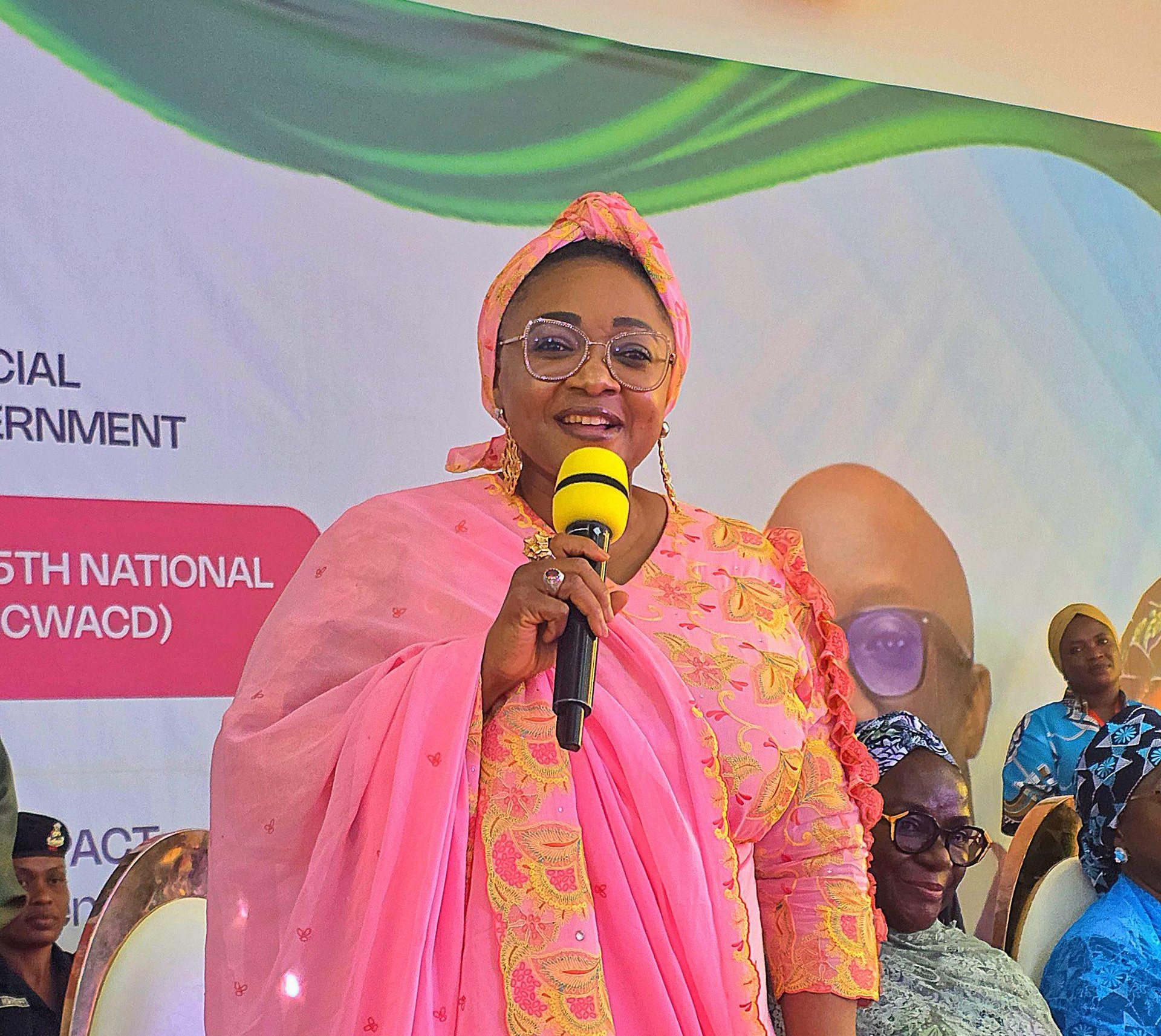
The Minister of Women Affairs and Social Development, Hajiya Imaan Sulaiman-Ibrahim, has called for stronger systems, accountability, and collective action to deepen the social impact of President Bola Tinubu’s Renewed Hope Agenda for women, children, families, and vulnerable groups across Nigeria.
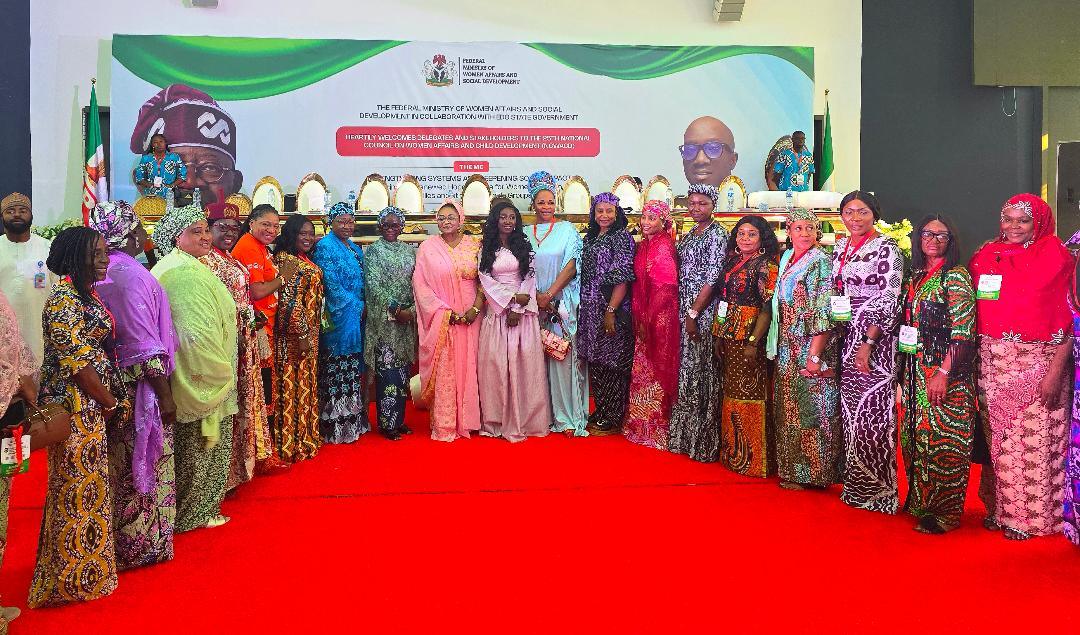
Speaking on the third day of the 25th National Council on Women Affairs and Child Development (NCWACD) holding in Benin City, Edo State, Southern Nigeria, the Minister identified “capacity”, “coordination”, and “resources” as the three critical concerns confronting the social sector.
“Three things bother us in this ecosystem. And one of them is capacity,” she said.
“When I went into the SAARC Centre, one thing the doctor said was that it’s one doctor per 19,000 people. So we need to build capacity for social workers. No country can survive without strong social workers. And that’s what we’re all working towards collectively,” she said.
She stressed that coordination was key to achieving results. “We must be coordinated. We must work towards a common goal… We have to coordinate ourselves. We have the commitment; it has to be a shared commitment,” she said.
On the challenge of resources, Sulaiman-Ibrahim appealed for more targeted investments, noting that the social development space “hardly sees enough investment.”
“It’s an under-invested sector, and also with so much abuse, we cannot afford the two. We must attract investment and make sure there’s no abuse or duplication of efforts,” she emphasised.
Referencing international best practice, the Minister noted that “a country like the UAE is dedicating 38% of its 2026 national budget to social development. It is serious. We must also be ready to invest in our people.”
She also cited China as an example of success through discipline and investment in human capital. “What I saw in China was not only a country that was disciplined. Our women in Nigeria are hard-working too. But they invested in their people. Mr. President is ready to invest in the people,” she said.
She revealed that the Women’s Federation of China coordinates 690 million women, noting that “almost 98% of them own their own homes, and over 95% are economically empowered. That’s a goal for us — because when women are economically empowered, their children can go to school, they are healthier, and they don’t die using firewood.”
Similarly, Dr. Kemi Da Silva Ibru, Founder of the Women at Risk International Foundation (WARIF), emphasised practical collaboration with the Federal Ministry of Women’s Affairs to expand protection and support services.
“In Nigeria today, there are only 50 sexual assault referral centres in 22 states, yet we have statistics of one in four women under 18 enduring violence. Our mandate is clear — we need to increase these safe spaces and provide post-essential services to every woman at risk,” she said.
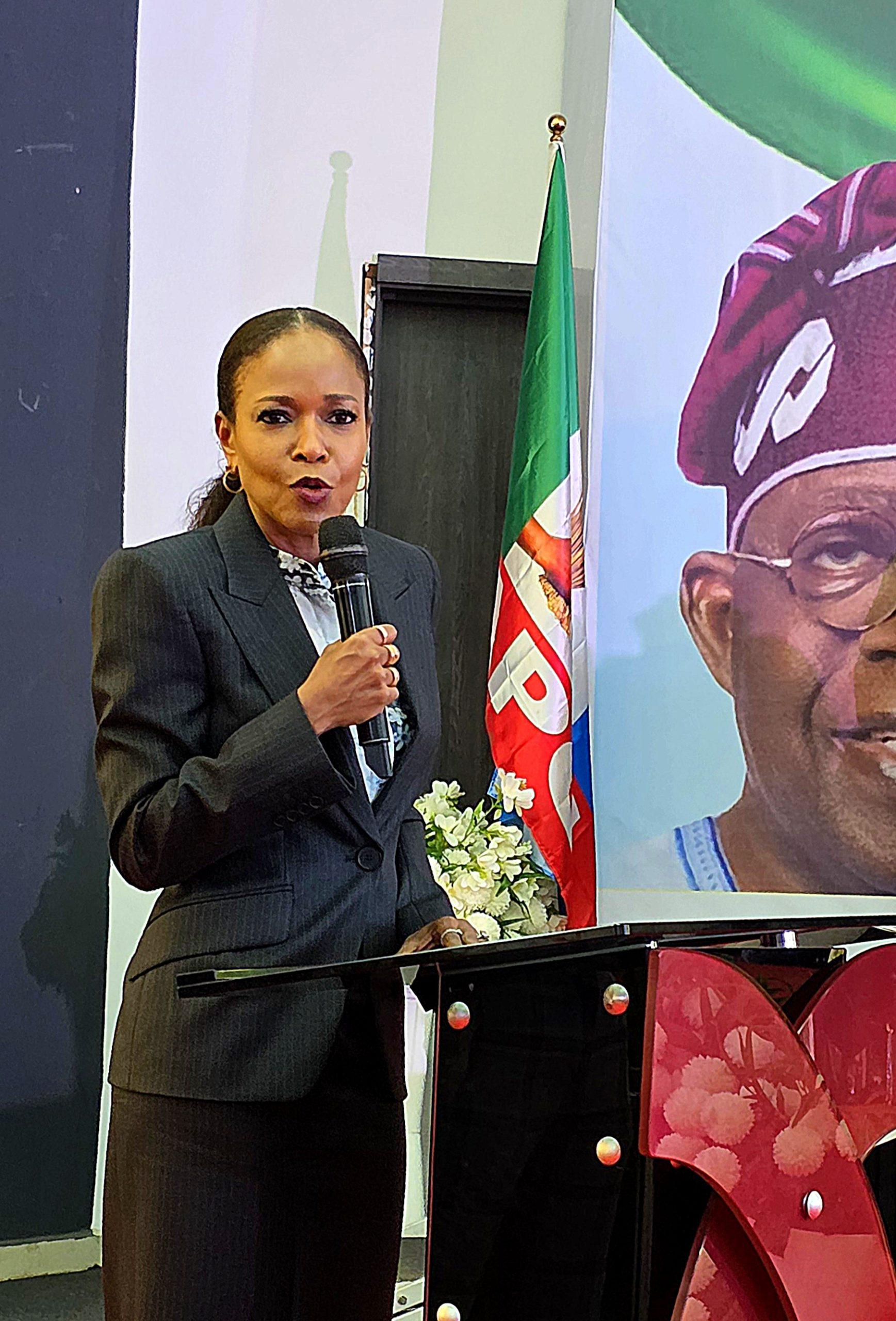
Dr. Da Silva Ibru added, “we need to ensure that she is not only safe but empowered, so her journey to recovery is transformational — for her life, her family, and the nation.”
Stakeholders agree that by strengthening systems, deepening social impact, and mobilising investment in the care and protection ecosystem, Nigeria is laying the foundation for a more equitable, resilient, and prosperous nation where every woman, child, and family thrives in dignity.
This also lies at the heart of the Renewed Hope Agenda of President Bola Ahmed Tinubu, which prioritises human capital development, gender equality, and inclusive growth.