


The Executive Secretary of the National Association on Nigerian Drug Monitoring (NANDROM), Mrs Christabel Okoye, has praised the efforts of the National Assembly in tackling drug abuse in the country.
Speaking to journalists on Wednesday in Abuja, Mrs Okoye said the recent bill to establish an Institute on Drugs Awareness, currently before the National Assembly, would, if passed into law, significantly aid the fight against drug abuse.
She made the remarks following a public hearing recently organised by the Senate Committee on Drugs and Narcotics on “A Bill for an Act to Establish National Institute on Drugs Awareness and Rehabilitation Bill 2024 (HB449).”
Read Also: Anambra Government Reaffirms Commitment to Health Workers
Mrs Okoye, who has also established a new rehabilitation centre in Abuja, said the facility would provide a safe haven for individuals struggling with drug addiction.
She explained that the centre aims to offer comprehensive support, including “love, skill acquisition, and startup funds,” to help individuals overcome addiction and reintegrate into society.
According to her, the centre can accommodate 30 people at a time, with a three-month graduation programme that includes training in areas such as shoe making, barbering, and liquid soap production.
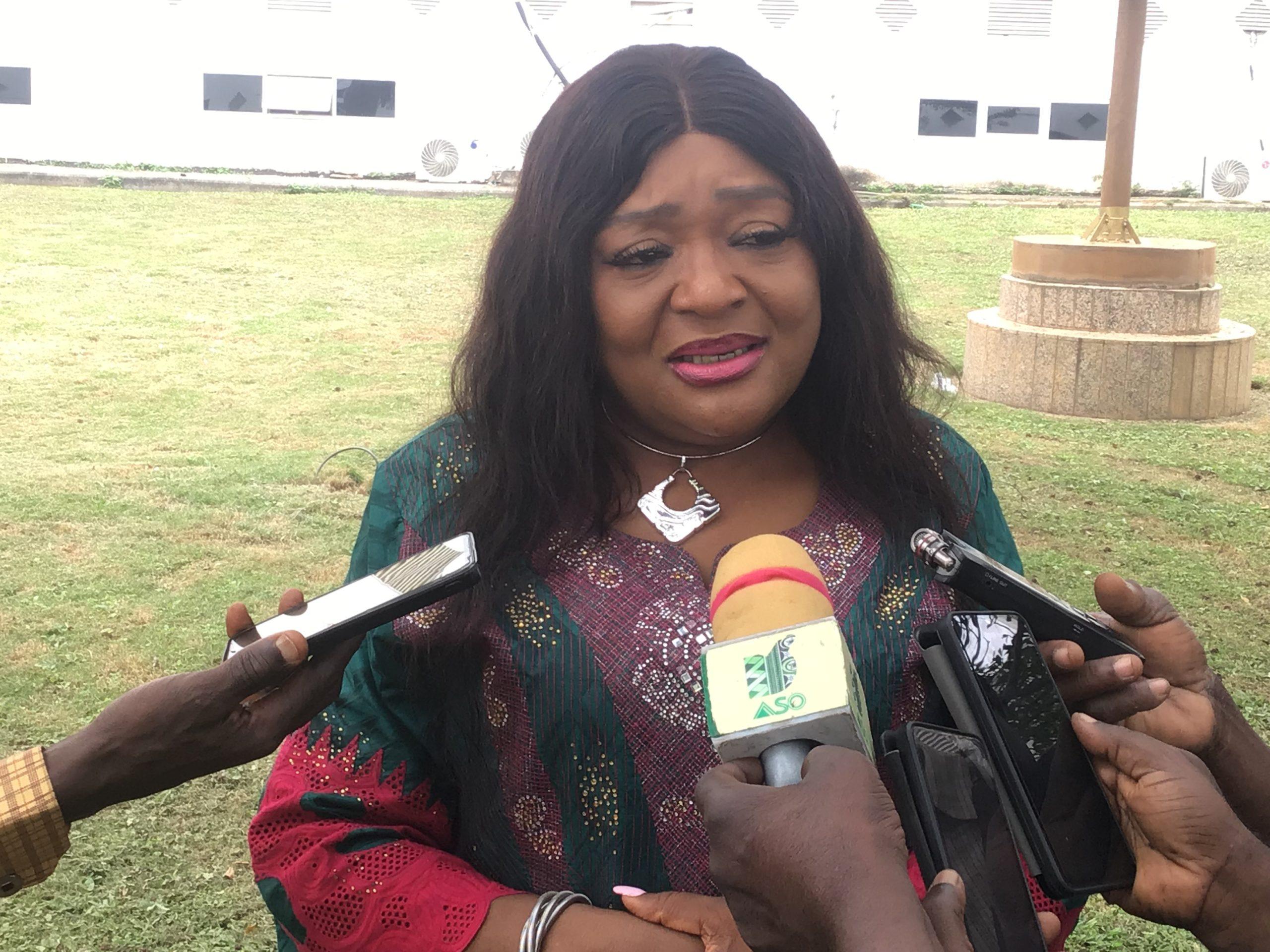
“We need more rehabilitation centres in this country. This is an area I have passion. You look at destruction everywhere, violence everywhere, youths are no more concentrating due to the drugs abuse.
“We need a lot of grace to address this complex issue, and collective action is necessary to prevent drug abuse and support those affected by it.
“The Christabel Foundation’s rehabilitation centre is a step towards addressing the growing problem of drug abuse in Nigeria. With the support of government agencies, civil society, and development partners, it is hoped that the centre will make a significant impact in the lives of those struggling with addiction,” she said.
The Bill for an Act to Establish the National Institute on Drugs Awareness and Rehabilitation has already gained support from key stakeholders, particularly in the security, health, and drug administration sectors.
According to the National Bureau of Statistics, an estimated 14.3 million Nigerians aged 15–64 actively use drugs, with the highest prevalence among people aged 25–39. Cannabis remains the most widely used drug, followed by opioids, particularly tramadol.
The National Drug Law Enforcement Agency (NDLEA) has also reported that nearly 40 per cent of drug users are under the age of 25, highlighting the growing threat of substance abuse among young people.