

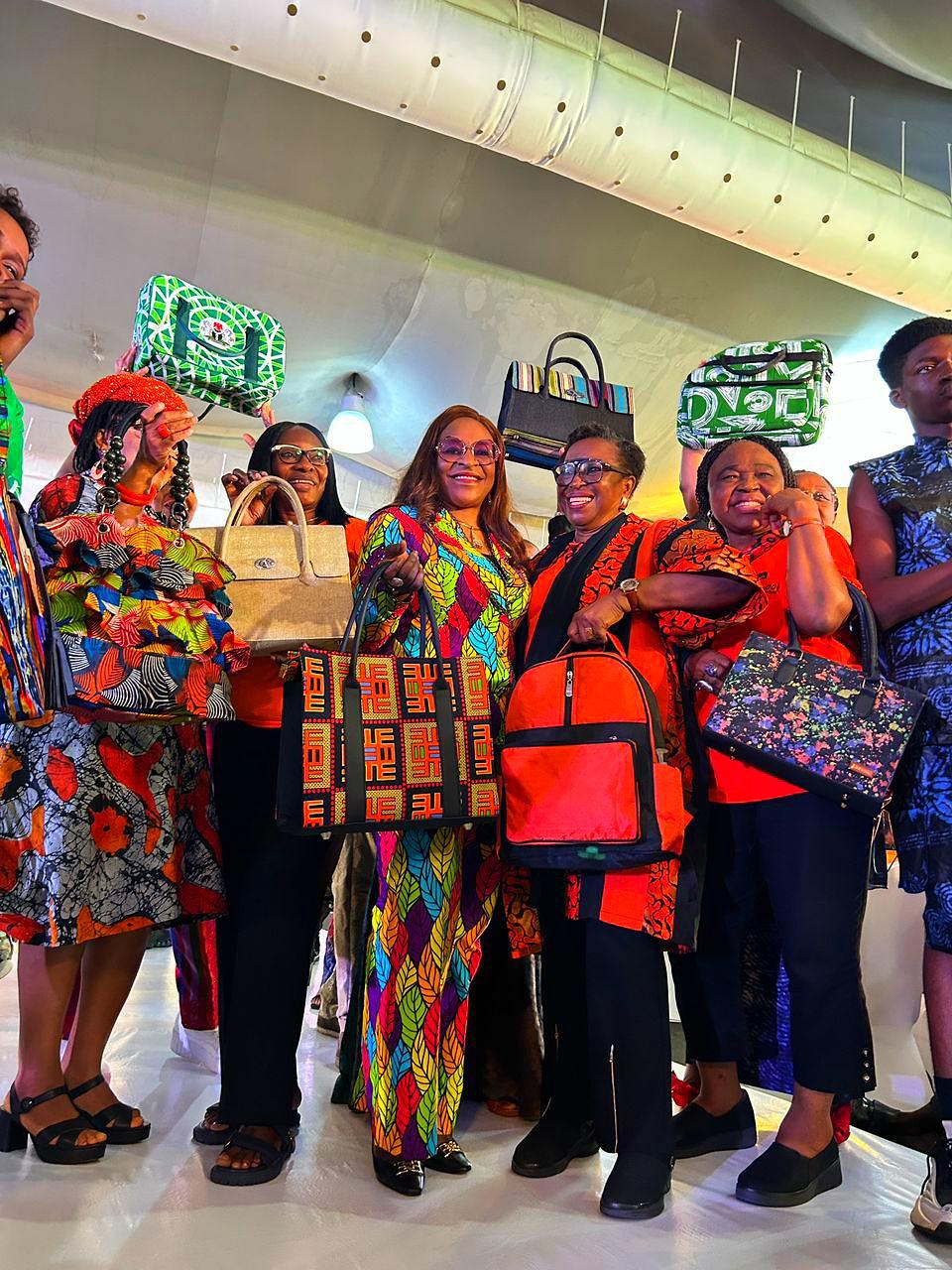
The Nigerian Export Promotion Council (NEPC) has reiterated that non-oil exports remain central to Nigeria’s sustainable economic future, stressing that diversification is not merely a policy choice but a national imperative.
This reaffirmation was made in Lagos during the 40th anniversary celebration of Le Look, where the agency emphasised its commitment to empowering businesses and expanding Nigeria’s presence in global markets.
NEPC Executive Director/CEO, Nonye Ayeni, speaking at the symposium, described Chinwe Ezenwa, Founder and CEO of Le Look Nigeria Limited, as a national treasure whose four decades in manufacturing and creative enterprise have transformed lives and boosted Nigeria’s non-oil export drive.
“We are not just celebrating a company today; we are celebrating four decades of resilience, four decades of creativity, and four decades of unflinching belief in the power of the Made-in-Nigeria label,” she said.
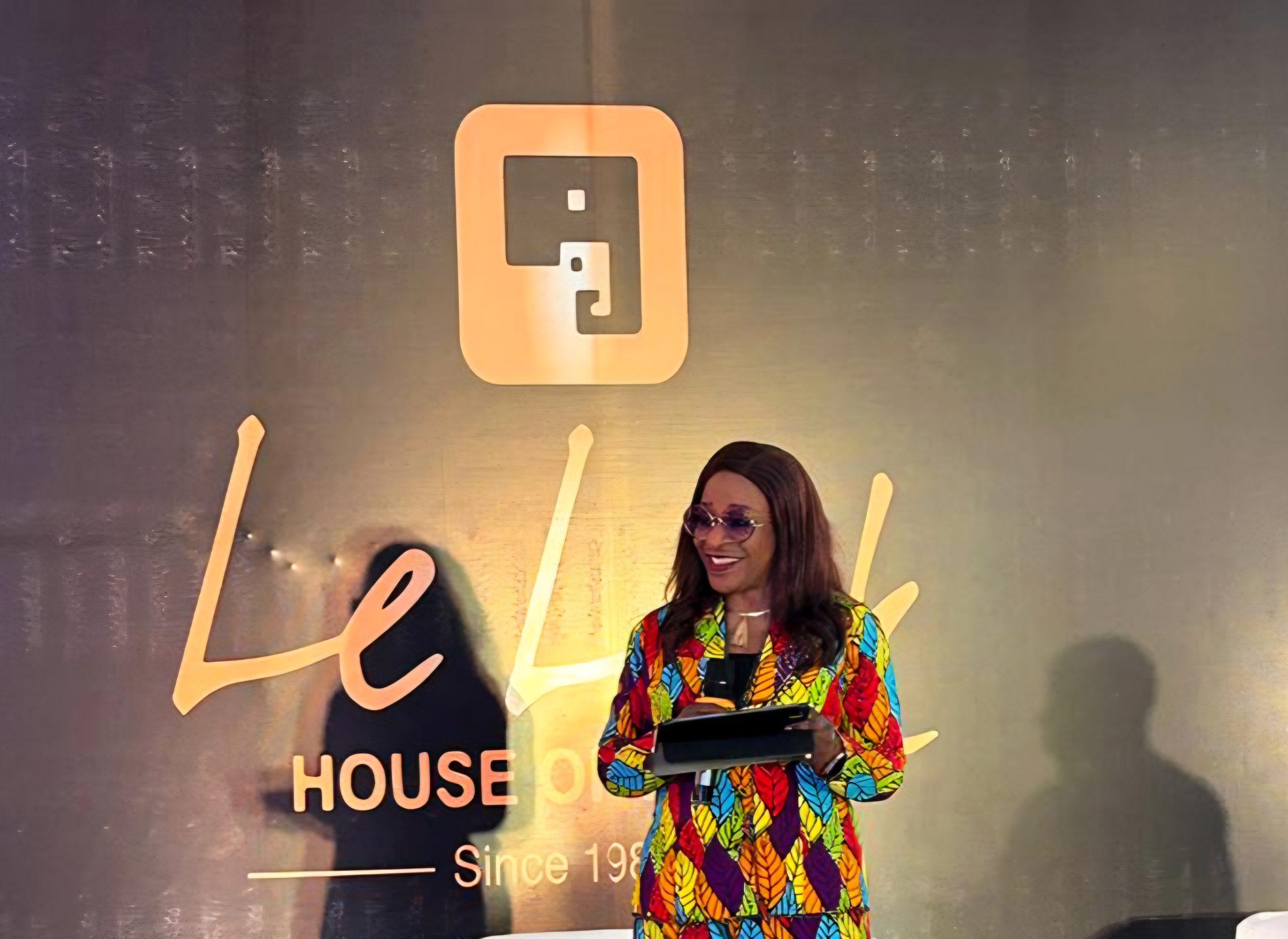
Ayeni reaffirmed the council’s commitment to creating opportunities for businesses and strengthening Nigeria’s participation in global markets.
Supporting enterprises in fashion and other creative industries, she noted, forms part of a broader national strategy to promote growth outside the oil sector.
“Non-oil exports are not just alternatives; they are the future. Our focus is to ensure that Nigerian enterprises have the support and enabling environment they need to compete favourably,” she added.
Ayeni further highlighted Le Look as “proof that passion, discipline, and patriotism can yield global success,” describing its Academy as a national pipeline for empowerment.
“You have done more than produce bags; you have produced hope. By training youths, women, and vulnerable groups, you have shown that business can be a tool for inclusive development and a platform for impacting lives.”

Former Minister of Women Affairs and Chairman of the Le Look Board, Dame Pauline Tallen, hailed the milestone as an enduring testament to resilience, creativity, and impact.
“This 40-year journey is not just about a brand, it is about vision, tenacity, and lifting others along the way. Le Look stands today as proof that when women rise, families, communities, and indeed nations, are lifted with them.”
She urged government and private sector stakeholders to expand opportunities for women and youth, stressing that inclusive support systems are essential for sustaining innovation, enterprise, and national development.
Encouraging the younger generation, she added that Le Look proves Nigerians can change their country by “doing something in their little space to make Nigeria better.”
Read Also: Nigeria, Russia to Strengthen Ties Through BRICS Alliance
Also speaking, Mfon Usoro, President of the Chartered Institute of Logistics & Transport (CILT) Nigeria, praised Le Look’s consistency and its contribution to enterprise in Nigeria.
“Le Look at 40 is not only a celebration of fashion; it is a celebration of staying power. It represents the triumph of Nigerian creativity and enterprise on the global stage. Such a journey should inspire younger generations to understand that persistence, backed by integrity and hard work, always yields results.”
She emphasised that the creative sector is a strong pillar for economic diversification, underscoring Nigeria’s human capacity to compete globally.
“There is no time in the world people will not need bags. Le Look has shown that with creativity and skills, you are never out of fashion and never out of time.”
Le Look’s longest-serving staff, Martin Iheguagu, described the anniversary as “a milestone achievement” for Nigerian entrepreneurship, noting the impact of its academy in training and empowering young people.
“Le Look has tremendously trained youths in this industry. They have made a lot of impact by empowering young people to stand on their own and reduce unemployment. That is the true mark of relevance.”
He urged Nigerian youths to seize opportunities in home-grown enterprises, stressing the importance of self-reliance:
“We don’t have to depend on outsiders. Every country starts by producing what they can for themselves before exporting. That is what Le Look is showing us, that with creativity and hard work, Nigeria and Africa can look inward, build capacity, and compete globally.”
From the fashion sector, Funmi Ajila-Ladipo, past President of the Fashion Designers Association of Nigeria and Chairman of the Nigerian Fashion Council, identified the “triple keys” that sustained Le Look:
“Passion, patience, and persistence kept her going. Talking about taking the fashion brand outside Nigeria, if each person on the street can carry a Le Look bag, we don’t need patronage from the outside country, really. So we need to buy Nigeria and wear Nigeria, patronise ourselves, and always remember that a win for one person is a win for all.”
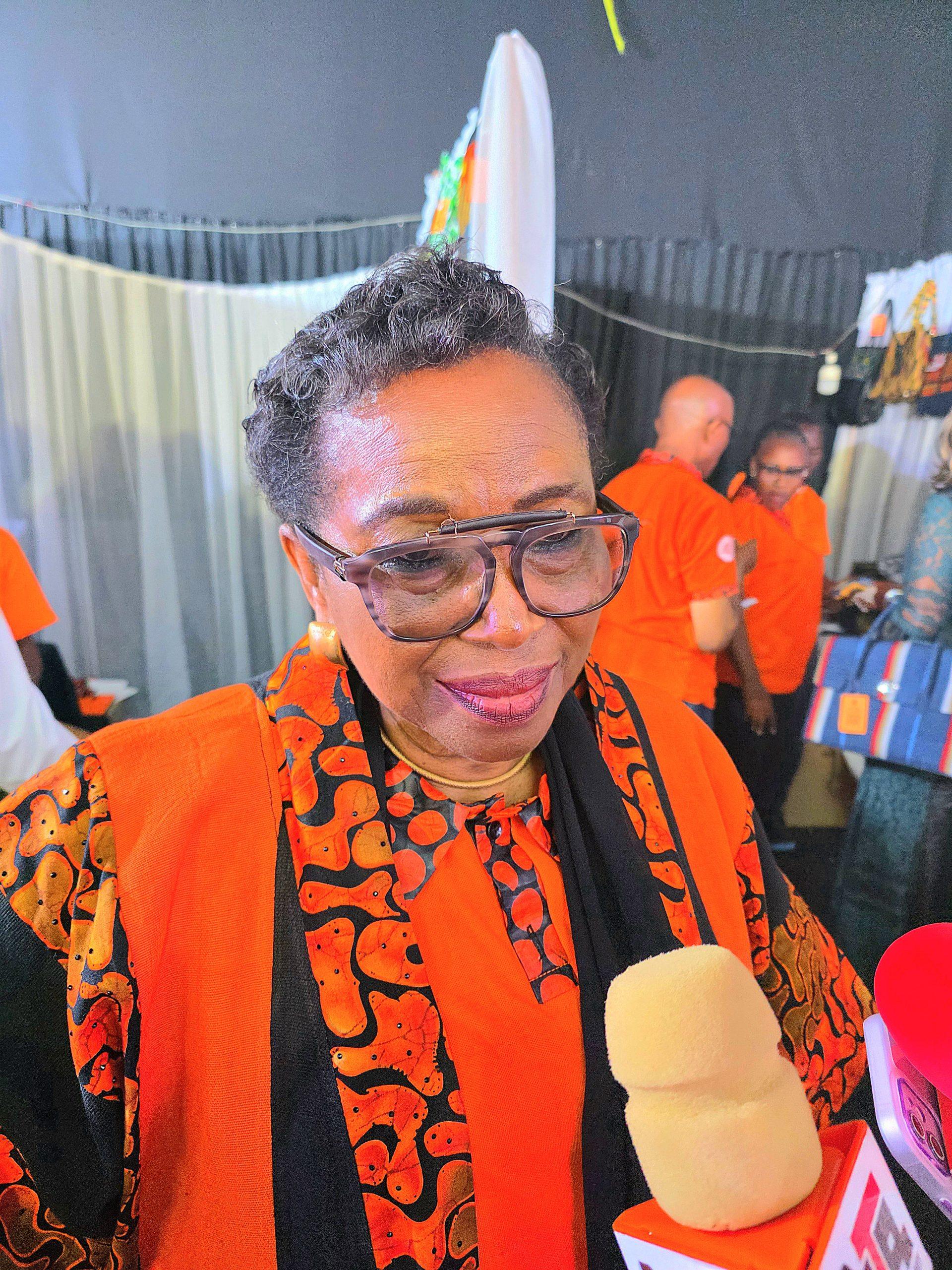
Reflecting on the journey, Founder and CEO Chinwe Ezenwa described Le Look’s four decades as a battle fought and won.
“Business is war. Le Look fought and won because we stayed focused, solved problems, mentored people, and held their hands. My advice to young entrepreneurs is simple: don’t run before you crawl, persevere, have integrity, and seek good mentors.”
The symposium, themed “Legacy of Resilience: Empowering Entrepreneurs for Africa’s Economic Future,” gathered industry leaders, entrepreneurs, policymakers, and development partners to discuss how fashion, creativity, and enterprise can drive non-oil exports, create jobs, and strengthen Nigeria’s economic competitiveness.
Le Look at 40 stands as a mirror of Nigeria’s economic future, demonstrating that creativity, skills, and enterprise can generate jobs, reduce unemployment, and earn foreign exchange.
It is also a model of true economic diversification, aligning squarely with President Bola Tinubu’s Renewed Hope Agenda for non-oil export growth.