


The Centre for Development and Reproductive Health (CDRH) has organised a one-day Training Workshop in Enugu, for journalists in the South Eastern part of Nigeria
Voice of Nigeria reports that the workshop, which had more than ten journalists in attendance, serves as a veritable instrument of media engagement to intensify awareness campaigns on the dangerous effects of tobacco cigarette smoking on the health of smokers and the people around them.
In an opening remark, the Chief Executive Officer of the NGO, Dr. Isaac Alobu, said the workshop aims to sensitise media practitioners on the need for aggressive awareness campaigns that will stop people from smoking.
Dr Alobu, a Tuberculosis Control expert, urged the journalists to use their various media platforms to take the message to the grassroots, pointing out that the level of damage caused by tobacco smoking at the global scene reflects the rate of its consumption in the rural communities.
A keynote speaker at the event, Professor Daniel Oshi, stressed the need to incorporate tobacco cessation counselling into medical training programs.
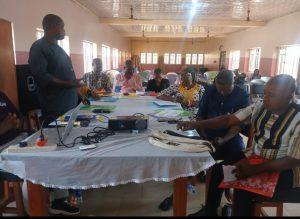
Oshi, a Professor of Public Health Education in the Department of Community Health and Psychiatry at the University of the West Indies, Jamaica, said there is also need to strengthen media involvement in the awareness campaigns, to stem the rising burden of tobacco-related diseases in developing countries.
He said, “Tobacco cessation counselling should be incorporated into medical training of healthcare professionals in developing countries. This will help to address the rising burden of tobacco-related diseases.
“This training was structured to equip journalists with current data and practical tools required to advance tobacco control advocacy and sustained public sensitisation.”
Professor Oshi, who doubles as Director of Research and Innovation at the organisation and Project Director for the programme, said the seminar was also designed to strengthen the understanding of participants concerning tobacco smoking and its implications.
“While sustained public health interventions have led to a steady decline in smoking rates across many developed countries, available evidence indicates that tobacco use is increasing in several developing nations, underscoring the urgency of prevention-driven strategies,” he added.
The public health specialist explained that the inclusion of the Southeast region in the project was deliberate, adding that the importance of community-based approaches in confronting public health challenges should not be undermined.
According to him, “This is because, whatever affects people globally is first reflected in their immediate communities.”
Oshi further said that the seminar was expected to increase participants’ understanding of tobacco smoking risks, while also encouraging them to actively promote cessation strategies and harm reduction approaches.
He noted that the media plays a critical role in shaping public health behaviour and policy direction, and urged media practitioners to approach tobacco control reporting with a great sense of responsibility after the training.
“What we are saying is that healthcare professionals should be properly trained during their undergraduate years to provide basic counselling to smokers on how to quit. That is the key area we want to include in medical training,” he stressed.
Professor Oshi explained that the proposal focuses on the training of medical students, for them to support smoking cessation and does not include advocacy for electronic cigarettes or nicotine replacement therapy as part of their academic curricula.
The core message, according to him, is that Tobacco smoking is very dangerous to the health and well-being of smokers and people around them, and that there is a need for smokers to quit, while non-smokers do not take up the habit.
He noted that the message also focuses on tobacco smokers having easy access to smoking cessation counselling at the various levels of the healthcare delivery system, including General Hospitals, Specialist or Teaching Hospitals.