


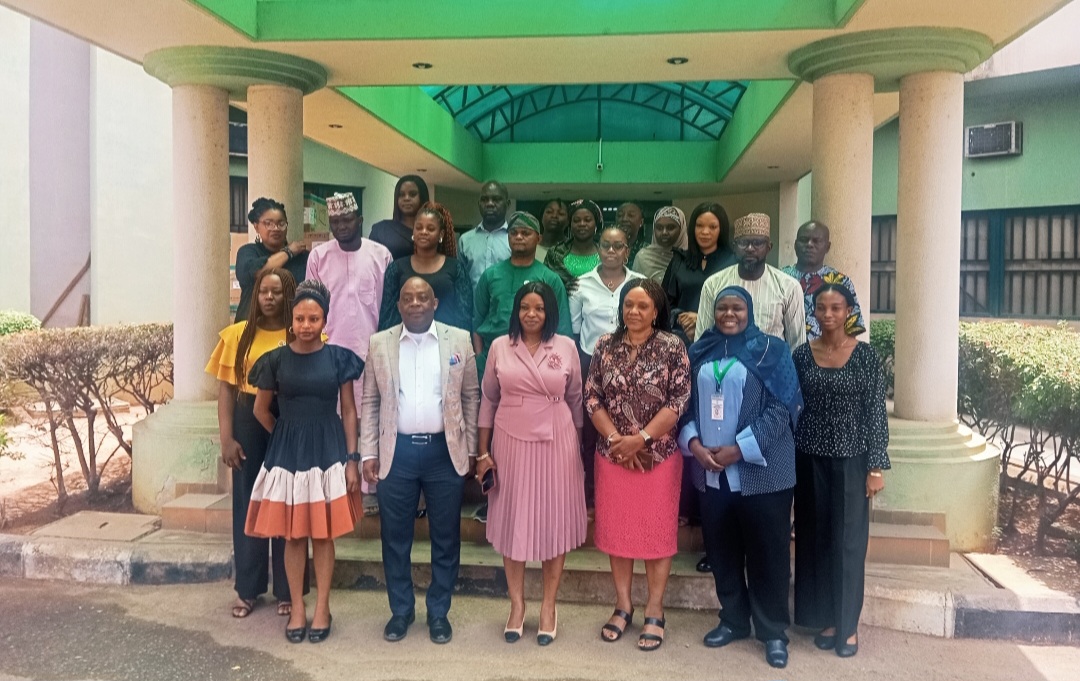
The National Human Rights Commission in Nigeria (NHRC), has launched a two day capacity-building workshop aimed at strengthening the ability of its investigation and legal officers to effectively address violations of economic, social, and cultural rights, signalling a renewed institutional commitment to safeguarding fundamental human rights in Nigeria.
Describing the initiative as a strategic milestone, the Executive Secretary of the Commission, Dr Tony Ojukwu, emphasised that the training was designed to equip personnel with the knowledge and competencies required to effectively handle complaints relating to violations of economic, social, and cultural rights.
Dr. Ojukwu who was represented by the Director, Economic, Social and Cultural Rights of the commission, Isioma Nwosa said that Central to the Commission’s mandate, is the protection and promotion of rights tied to essential human needs, including housing, healthcare, education, labour, food, water, and sanitation.
“Addressing these violations demands structured, well-articulated interventions, which in turn require strong foundational skills in concept development and report writing,” she stated.
The workshop also reflects recent internal restructuring within the Economic, Social and Cultural Rights (ESCR) Department, which has expanded staff responsibilities.
She further said, “Our capacity must keep pace with the mandate, and this training is one step in that direction.”
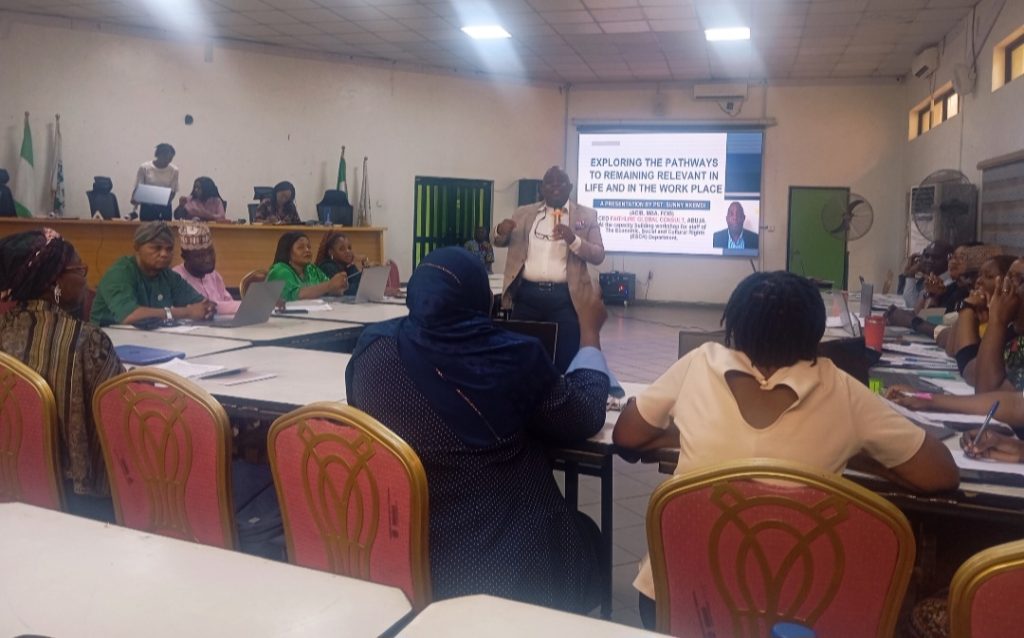
In a broader effort to institutionalise capacity development, approval has been granted for a ten-month structured training programme focused on enhancing staff expertise in investigating and resolving ESCR-related complaints.
The initiative aligns with the Commission’s statutory responsibilities under its enabling Act, reinforcing its authority to organise training programmes in furtherance of human rights promotion and protection.
Welcoming participants and facilitators, she expressed appreciation to resource persons carefully selected for their expertise, commending their willingness to contribute to strengthening institutional knowledge.
Participants were urged to actively engage throughout the workshop. “Ask questions, seek clarification, share experiences, and aim to come out of this training armed with practical skills,” she advised, stressing that the effectiveness of the department’s work has a direct impact on the lives of Nigerians.
The Commission expressed optimism that the programme would produce a more informed and capable workforce, ultimately contributing to meaningful improvements in Nigeria’s human rights landscape.