


Efforts by Nigeria and Brazil to strengthen their bilateral ties came into focus on Tuesday, as top officials from both countries converged on Abuja for the second session of the Nigeria-Brazil Strategic Dialogue Mechanism.
The event took place at the Conference Centre of the Presidential Villa, Abuja.
The meeting marks a renewed commitment to cooperation between the two nations, whose diplomatic ties date back to the 1960s.
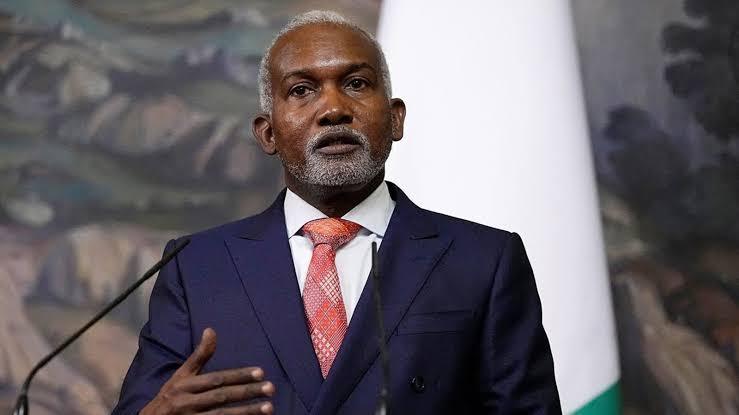
Delivering the opening remarks at the event, Nigeria’s Foreign Affairs Minister, Yusuf Tuggar, said both countries have a lot in common and they have come a long way.
He noted that Vice President Kashim Shettima has been pivotal in cementing ties between Nigeria and Brazil.
He declared that Shettima’s place in history is already assured, citing his dynamic career as a two-time Governor, banker, agronomist, senator, and now Vice President.
Tugger drew a symbolic comparison with Brazil’s Vice President Geraldo Alckmin, a former governor of São Paulo State, home to 44 million people and Brazil’s largest economic hub.
“Nigeria and Brazil are once again demonstrating that our destinies are deeply intertwined,”Tugger said.
He noted that both leaders share not only professional experiences but also a vision of development rooted in people-to-people engagement and mutual prosperity.
Golden Era
The Minister recalled a “golden era” in the 1970s and 80s, when flights between Nigeria and Brazil were frequent, and Brazilian products were ubiquitous across Nigerian markets.
Special tribute was paid to the late Ambassador Paulo Tarso Flecha de Lima, Brazil’s former envoy to Nigeria, the US, UK, and Italy, who played a vital role in deepening early bilateral relations.
The strategic dialogue mechanism, first launched in Brasília in 2013, was reactivated under Nigeria’s current administration, with a focus on advancing cooperation in trade, agriculture, defence, health, energy, culture, foreign affairs, and climate change.
Recall that Vice President Shettima had earlier before the summit, emphasised the significance of inclusive trade and investment in promoting economic growth and reducing poverty in both countries, which are among the world’s largest developing democracies by population.
“The Strategic Dialogue Mechanism has already proven useful,” Tuggar noted.
He cited the resumption of the Green Imperative Project as a flagship initiative under the current administration.
He also referenced past examples of countertrade, swaps, and mutual support during crises such as food shortages and currency devaluation.
He assured that the revitalised dialogue, now led by both vice presidents, would deliver tangible results through active private-sector participation.
The Minister concluded his remarks saying: “With a new Atlantic boom on the horizon, the Nigeria-Brazil connection is once again poised to be a force for good.”