

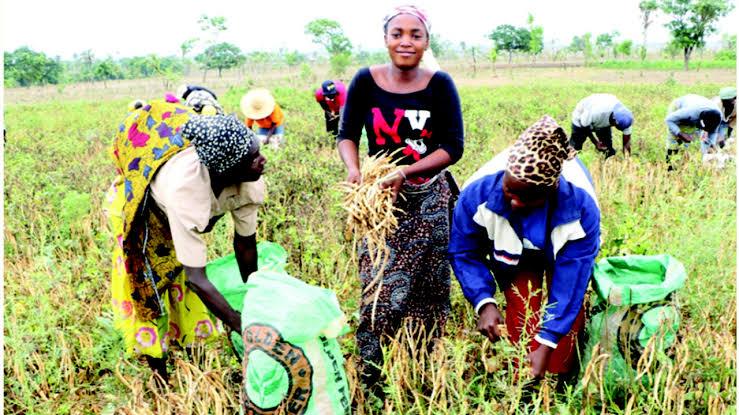
Nigeria is leading the charge for strategic investment in youth and women in agriculture as the 49th Session of the International Fund for Agricultural Development (IFAD) Governing Council concludes in Rome, Italy.
Addressing participants at the biennial event, Nigeria’s Minister of Agriculture and Food Security, Senator Abubakar Kyari, emphasized the critical role of youth and women in agriculture in unlocking economic opportunities, driving innovation, and fostering inclusive growth, ultimately strengthening food systems and reducing hunger and poverty globally.
The meeting highlighted the vital role of youth in driving job creation, innovation, and inclusive growth worldwide.
The session themed: “From Farm to Market: Investing in Young Entrepreneurs” opened with the election of Nigeria’s Minister of Agriculture and Food Security, Senator Abubakar Kyari, as Chairperson of IFAD’s Governing Council (GC).
Having previously served as Vice Chair, his election reflects the confidence of Member States in the nation’s constructive engagement and leadership in advancing global food security.
Read Also: IFAD Appoints Nigeria’s Agric Minister as Council Chairman
IFAD Reaffirms Support for Youth in Nigeria’s Food Systems
Senator Kyari expressed profound appreciation to Member States for the trust reposed in him, reaffirming his commitment to serve with humility, diligence, and an unwavering focus on rural women and men worldwide.
He lauded President Bola Ahmed Tinubu, for his clear mandate placing food security at the center of national priorities, noting that Nigeria’s stewardship at IFAD aligns with the President’s directive to strengthen agricultural productivity, expand opportunities for youth and women, and build resilient systems capable of withstanding climate and market disruptions.
The Minister commended the strong work of the IFAD Nigeria Country Office, led by Country Director Ms. Dede Ekoue and her team, for their dedication in translating global commitments into measurable impacts for rural communities across the country—particularly in strengthening value chains, empowering youth and women, and building resilience among smallholder farmers.
As the conference closed, Nigeria reaffirmed its resolve to champion multilateral cooperation in confronting hunger and poverty, demonstrating that the nation remains a responsible and forward-looking voice on the global stage.