

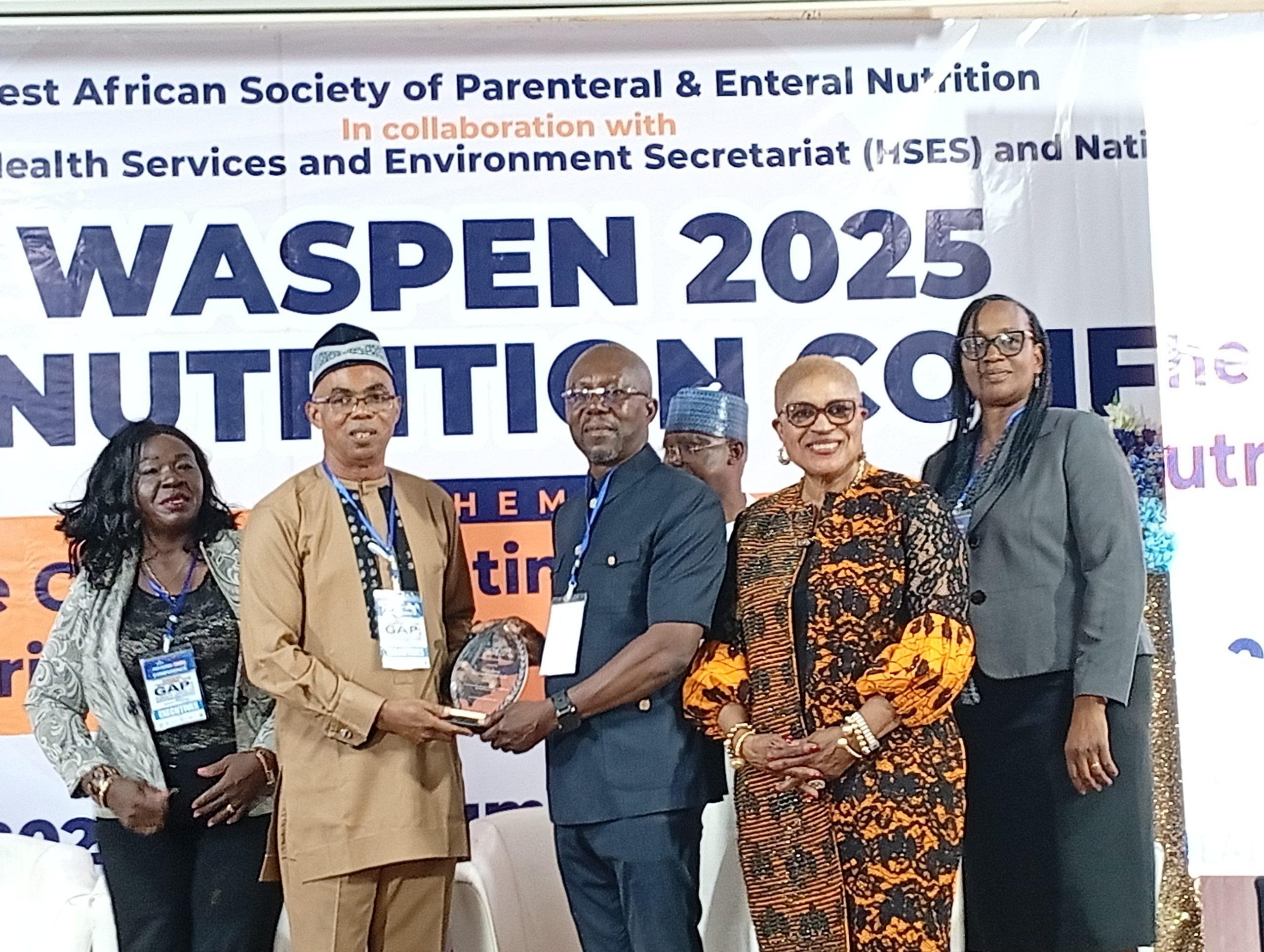
The Nigerian government has reaffirmed its commitment to scaling up nutrition interventions nationwide, as it works to eliminate all forms of malnutrition affecting both under-nourished and over-nourished populations.
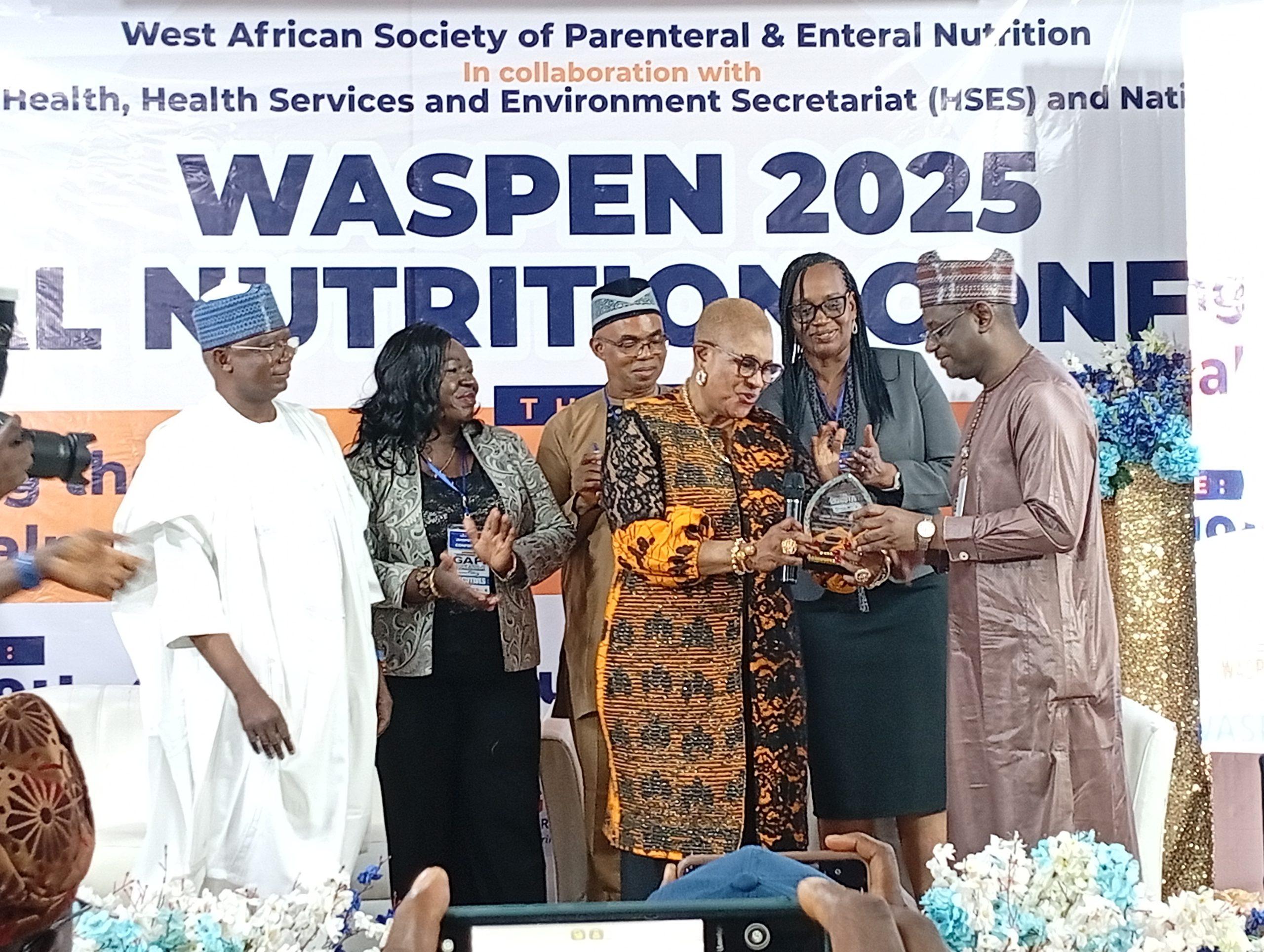
This pledge was made at the opening ceremony of the 2025 Clinical Nutrition Conference organised by the West African Society of Parenteral and Enteral Nutrition (WASPEN), in collaboration with the Federal Ministry of Health, Health Services and Environmental Secretariat, and the National Hospital Abuja.
Speaking on behalf of the Coordinating Minister of Health and Social Welfare, Prof. Muhammad Ali Pate, the Director of Food and Nutrition, Dr Abata Emmanuel, declared the conference open, describing malnutrition as a national emergency requiring urgent and innovative solutions.
“Nutrition is no longer just a hospital matter; it must extend to communities,” Dr Abata stated.
Read Also: Nigeria Reaffirms Health System Support at BRICS
He highlighted the Federal Government’s N774 initiative, which seeks to decentralise nutrition interventions to all 774 local government areas.
Dr Abata also revealed plans to scale up training for healthcare workers, improve guidelines for acute malnutrition management, and strengthen collaboration with WASPEN in research and policy formulation.
Also addressing participants, Dr Olugbenga Bello, who represented the FCT Mandate Secretary for Health Services and Environment, Dr Fasewe Dolapo, noted the dual burden of malnutrition in the Federal Capital Territory.
“Over 50% of middle-aged men in the FCT have potbellies, a form of malnutrition,” he said, calling for broader nutrition education and public awareness.
Dr Bello praised the FCT Administration under Minister Nyesom Wike for investing in capacity building and local food awareness, while also urging local production of parenteral nutrition products, which he noted are currently unaffordable for most Nigerians.
In a compelling presentation, Dr Theresa Pounds, Founder and President of WASPEN, described hospital malnutrition as a “skeleton in the hospital closet” and called for routine nutritional screening of all admitted patients.
“Many patients unable to eat due to gastrointestinal issues should receive IV or tube feeding, but Nigerian hospitals often lack the necessary systems and products,” she warned.
Dr Pounds cited a recent case of a malnourished twin who died due to the unavailability of nutritional products, but praised Fixing Healthcare Ltd. for partnering with WASPEN to begin local production of parenteral nutrition formulas.
She appealed for greater private sector involvement to save lives.
Professor Mahmud Raji, Chief Medical Director of the National Hospital Abuja, echoed the call for routine nutrition assessments on admission, noting that malnutrition is often under-recognised within hospitals and significantly affects recovery outcomes.
“A lot of the time, we do not identify patients who are malnourished,” Prof. Raji said, urging that nutritional care be integrated into patient management from the point of entry.
He lauded WASPEN’s advocacy for policy change, improved product availability, and capacity building in clinical nutrition.
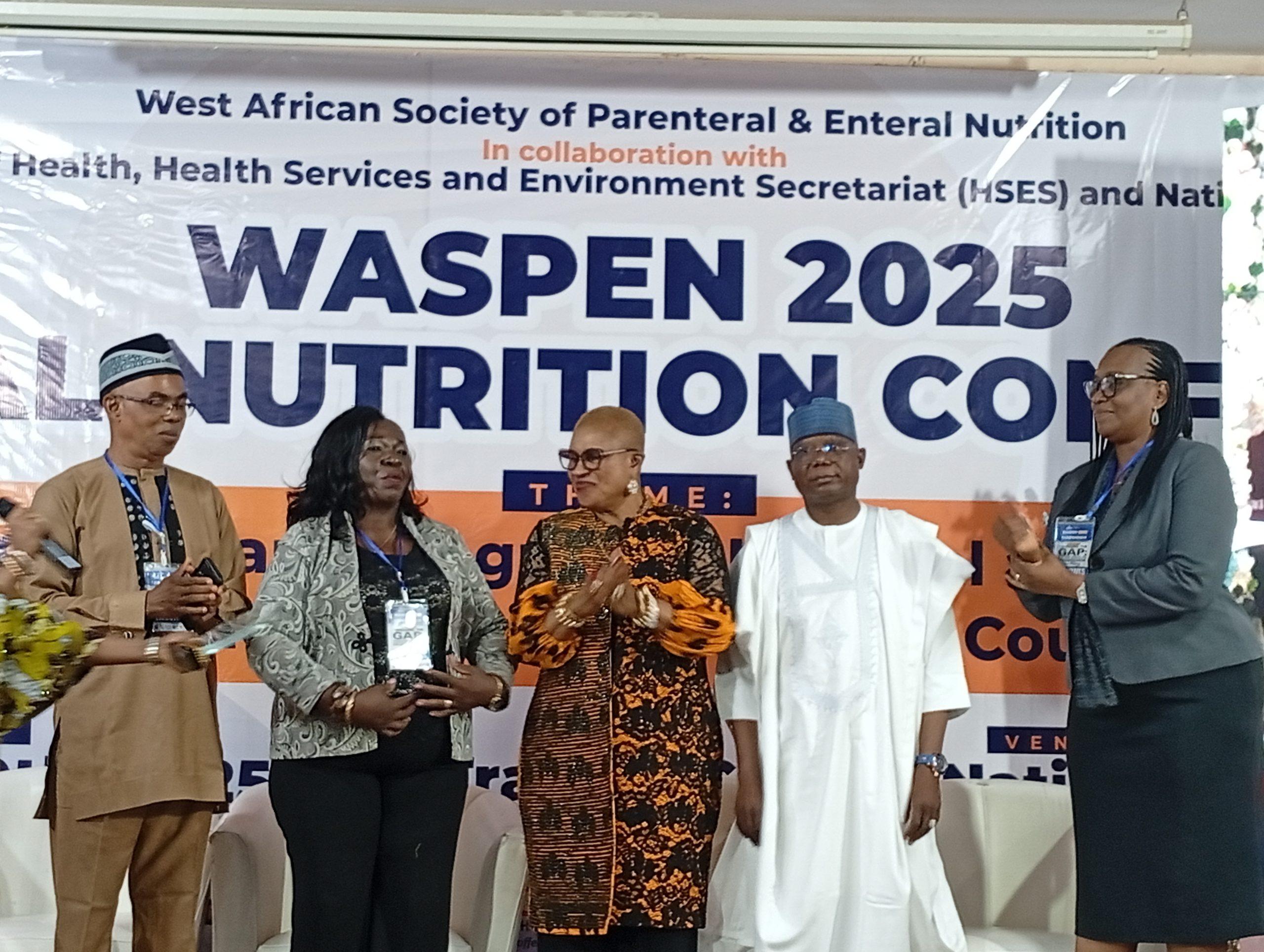
In a keynote address, Chairman of the WASPEN 2025 Conference, Prof. Cyril Osifo, described malnutrition and food insecurity as the two greatest threats to human development in Nigeria.
He referenced figures indicating that over 37% of Nigerian children are stunted, and 2 million suffer from severe acute malnutrition.
Prof. Osifo called on stakeholders to confront underlying issues such as poverty, food taboos, and poor food preservation practices.
The conference, themed “Bridging the Gap: Integrating Hospital and Community Malnutrition Care in Developing Countries”, brought together regional experts, clinicians, and policymakers to identify practical strategies for ending malnutrition in all its forms.
With increasing political will and multisectoral collaboration, participants expressed optimism that Nigeria is taking decisive steps towards ending malnutrition, thereby improving public health and national development outcomes.