

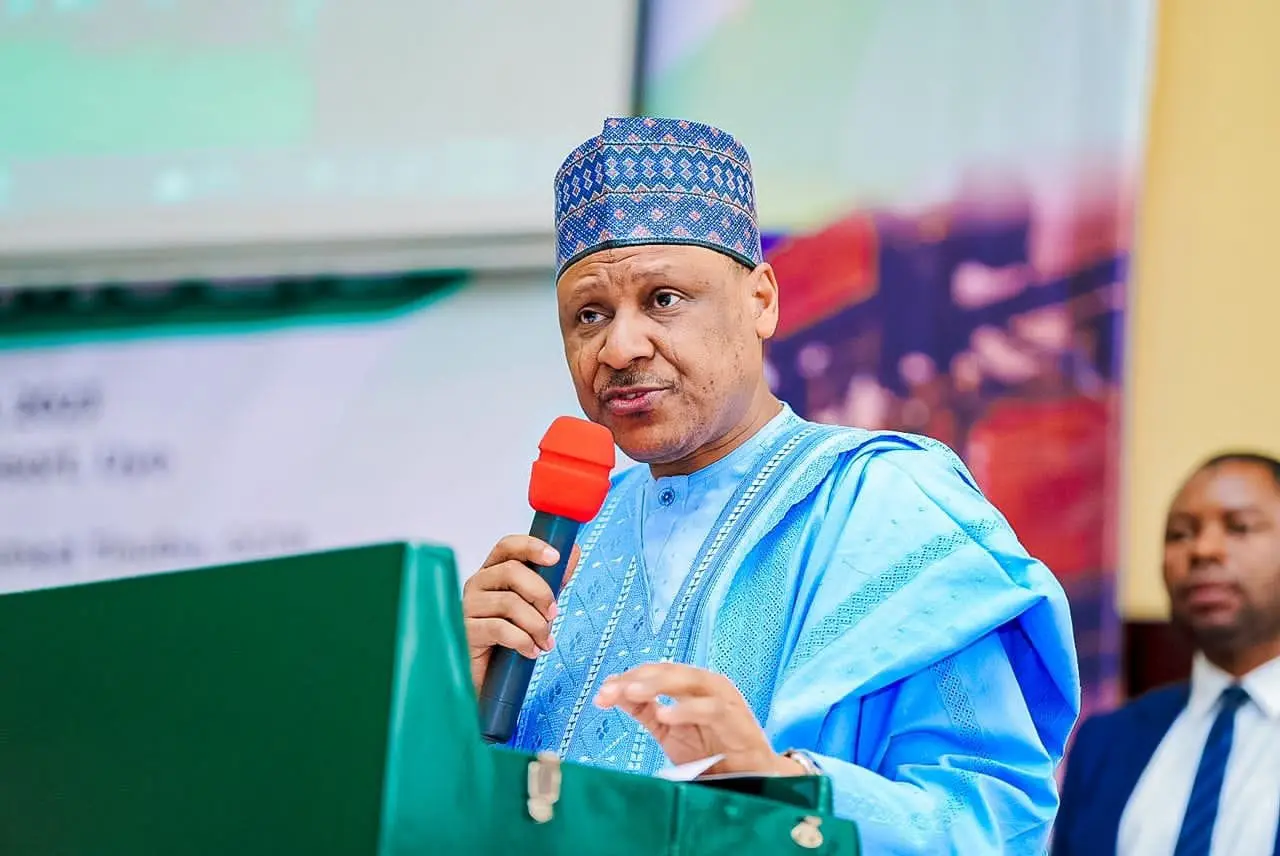
The Nigerian Government has dismissed claims that Nigeria is on the brink of collapse, insisting that the country remains stable, resilient, and steadily progressing toward economic recovery and national security.
Nigeria’s Minister of Information and National Orientation, Mohammed Idris, who made this known at the opening of the 81st General Assembly and 23rd Annual General Meeting of the Broadcasting Organisations of Nigeria in Abuja, described such narratives as misleading and unfounded.
“I want to unequivocally refute the insinuation that Nigeria is on the brink. On the contrary, we are daily exhibiting resilience and tackling our security and economic challenges more decisively,” Idris stated.
The Information Minister further noted that there have been ongoing security efforts, with coordinated operations by the Armed Forces and other security agencies that have led to measurable successes, particularly in Zamfara and Niger States.
“Incidents of large-scale insurgent control have significantly decreased, and we are strengthening intelligence and rapid response systems to protect lives and property,” he said.
Idris also highlighted improving indicators, including stronger foreign reserves and renewed investor confidence driven by ongoing reforms.
“These decisions, though difficult, are stabilising public finances and creating a more transparent economic environment,” he said.
He also referenced Nigeria’s recent reclassification to Frontier Market status by FTSE Russell, describing it as a strong signal of growing international confidence.
“This development confirms that Nigeria is once again a viable destination for global investment,” the Minister said.
Read Also: Nigeria Regains Frontier Market Status on FTSE Russell
Information Minister Restates Government’s Commitment to Long-term Growth
He emphasised the critical role of broadcasters in maintaining national unity, especially as the country approaches another election cycle; while calling for collaboration between government and media institutions to combat misinformation and promote national cohesion.
“The airwaves are a public trust. Broadcasting must continue to inform, educate, and unite our people, while upholding the highest standards of professionalism, fairness, and accuracy. Difficult moments like this require stronger faith in our country and patriotism—not narratives that create fear or division,” he said.
Practical Solutions
Declaring the assembly open, Idris expressed confidence that the gathering would generate practical solutions to advance the sector.
“We will continue to engage openly with Nigerians as we implement reforms to build a more secure, resilient, and prosperous nation,” he added.
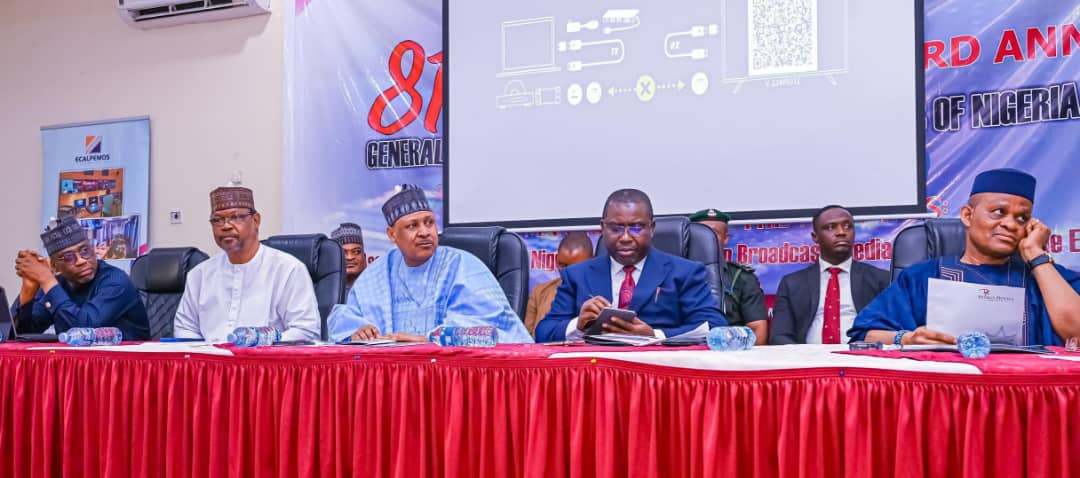
Also speaking, the Chairman, Broadcasting Organisations of Nigeria (BON), Salihu Abdulhamid Dembos, described the gathering as “a moment of reckoning” for the future of broadcasting in Nigeria.
He noted that rapid technological changes have disrupted traditional media models, forcing broadcasters to rethink their role in a digital-first world – emphasising credibility as the cornerstone of modern media, warning against the dangers of misinformation.
“The question before us is no longer whether change is coming. The question is whether we will lead change or struggle to catch up with it. Trust is now the currency of modern media, and credibility is the competitive advantage professional broadcasting holds over unregulated digital spaces,” he stated.
The BON Chairman called for investment in digital infrastructure, innovation, and new revenue models, urging broadcasters to evolve into “content-driven, technology-enabled ecosystems.”
Responsible Media Coverage
For his part, the Chairman, Independent National Electoral Commission (INEC), Professor. Joash Amupitan, stressed the importance of responsible media coverage in ensuring credible elections.
He announced that Nigeria’s next general elections are scheduled for January and February 2027 and underscored the influence of the media in shaping electoral outcomes.
Amupitan warned that misinformation and unequal media access could undermine democratic integrity.
“Elections are conducted at polling units, but they are often won or lost in the information space. If the airwaves are clear, the nation sees the truth. If they are beclouded by misinformation, the sovereign will of the people is threatened,” he added.
The INEC Chairman also highlighted provisions in the Electoral Act 2026 aimed at regulating political advertising and ensuring equitable access to media platforms, while maintaining a balance with freedom of expression.
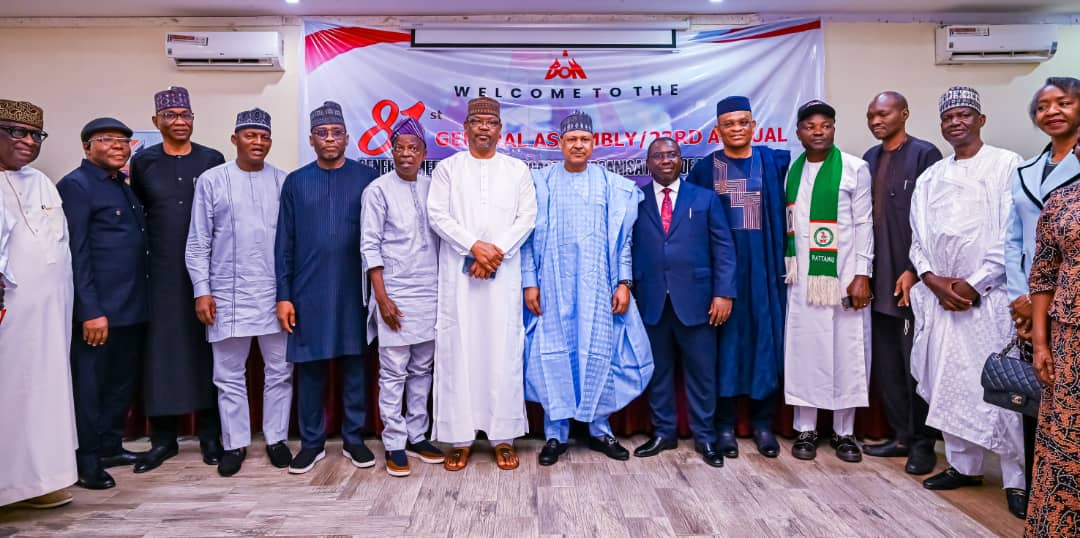
Stakeholders at the event renewed commitment to strengthen Nigeria’s broadcasting industry as a pillar of democracy and national development.
The 81st BON AGM, had in attendance, the Director-General of Voice of Nigeria (VON), Mallam Jibrin Baba- Ndace; the Director-General, National Broadcasting Commission (NBC), Mr. Charles Ebuebu, the Director General, Advertising Regulatory Council of Nigeria (ARCON), Dr. Olalekan Fadolapo; and the Director-General, Federal Radio Corporation of Nigeria (FRCN), Dr. Mohammed Bulama, and amongst other dignitaries.