


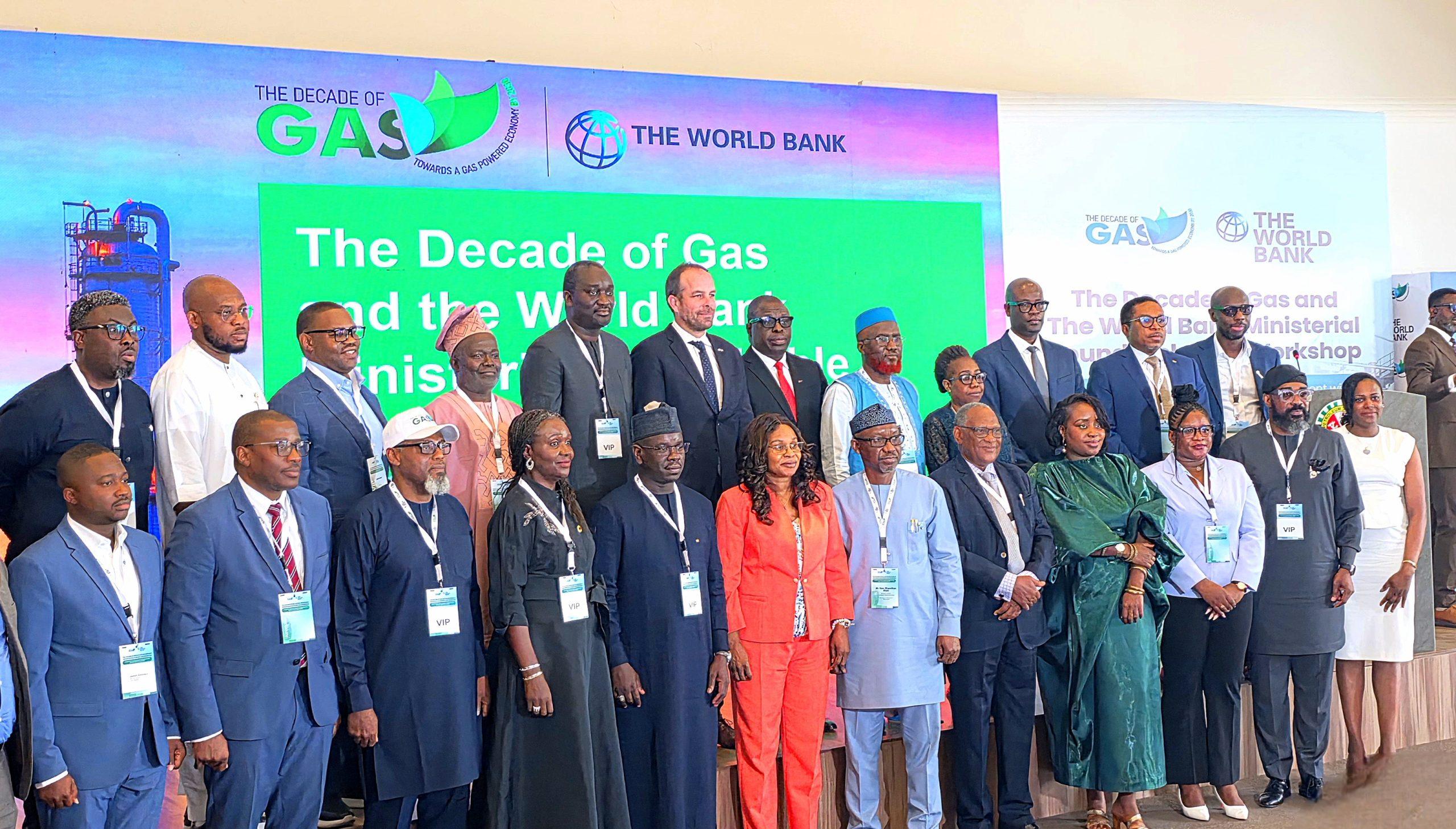
Nigeria’s Minister of State for Petroleum Resources (Gas), Obongemem Ekperikpe Ekpo, has called for stronger regional cooperation to unlock Africa’s vast gas potential.
Addressing a ministerial Roundtable on Regional Gas Development and Cooperation in Africa, held in partnership with the World Bank in Abuja, the Minister stated that “Africa’s energy future will not be determined by the abundance of our resources, but by our ability to act together.”
He noted that although Africa holds over 600 trillion cubic feet of gas reserves, more than 600 million people lack electricity, stressing it is “not a question of resource availability but rather it is a question of coordination, infrastructure, and collective action.”
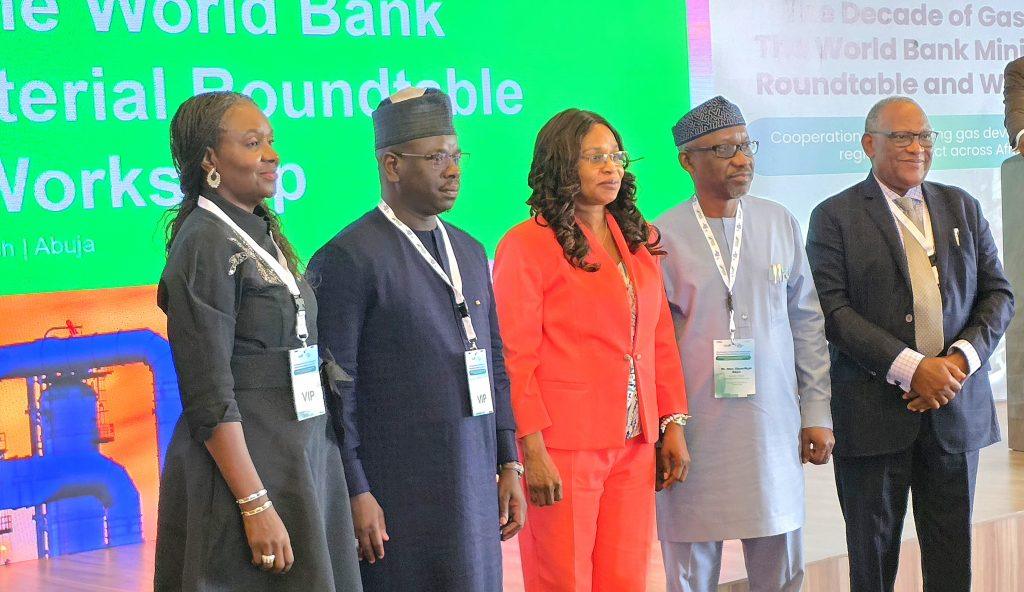
Advocating regional integration, the Minister said “we must move beyond fragmented national markets towards integrated regional systems, with transparent pricing, demand aggregation, and efficient cross-border trade.”
On policy alignment, Ekpo emphasised that “harmonised fiscal regimes, regulatory frameworks, and governance systems will be essential to de-risk investments and accelerate project delivery,” pointing to Nigeria’s Petroleum Industry Act as a reference.
He added that cooperation must also deliver tangible outcomes, stating gas development should ensure “reliable electricity, cleaner cooking solutions, and an improved quality of life.”
Ekpo reiterated that “no single nation can unlock this potential alone,” adding that “regional cooperation must therefore be the cornerstone of our strategy,” while noting existing projects already “demonstrate the transformative power of cross-border collaboration.”
“Natural Gas must be recognised as Africa’s transition fuel, a pragmatic bridge that enables us to expand energy access, support industrial growth, and reduce emissions intensity,” he said.
Speaking to Voice of Nigeria, the Coordinating Director of the Decade of Gas Programme, Ed Ubong, outlined implementation priorities.
“The Decade of Gas Programme is Nigeria’s initiative to increase domestic and export gas production and consumption,” he said, projecting output of “over 12 BCF a day by 2030.”
He added that utilisation will expand across sectors, including raising cooking gas consumption “from about 1.5 million tonnes per annum to about 3 million tonnes per annum by 2030,” alongside distributing “1 million cylinders each year free” to rural women.
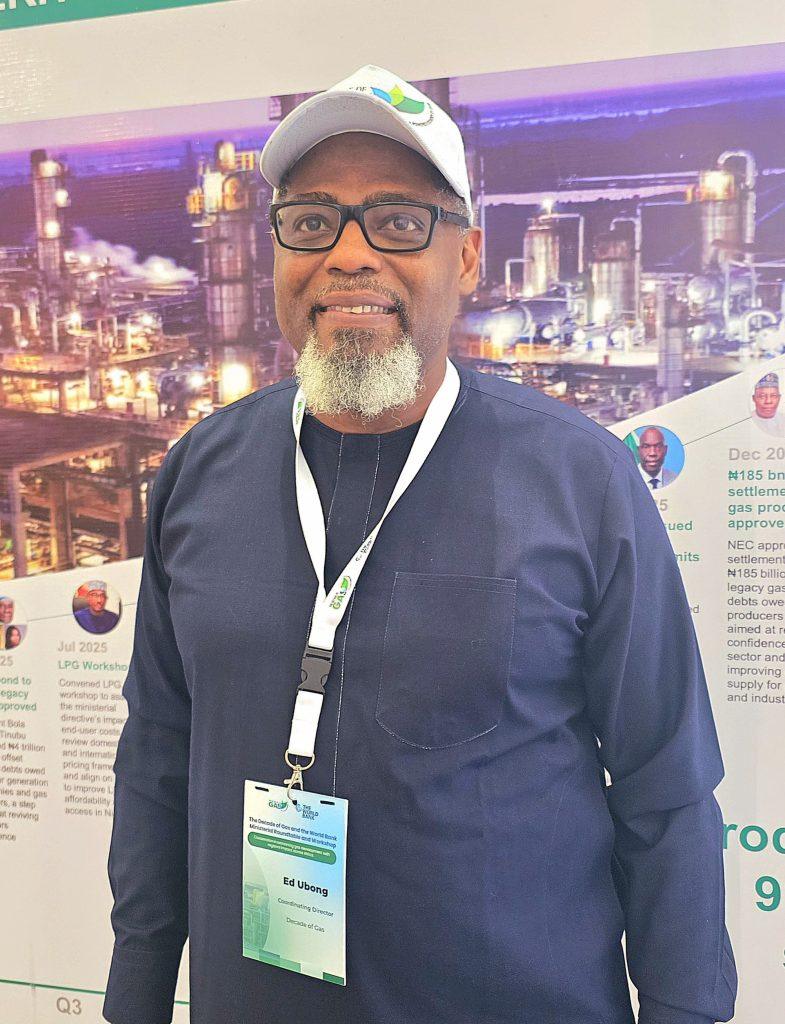
Reinforcing the vision, Ubong stated: “Nigerians should have improved electricity, more jobs from industries that are employing people across the gas value chain. Our export volume should also increase, which allows us to earn significant amount of dollars and dividends when we export gas.”
Concluding with the words of President Bola Tinubu, Ubong affirmed; “gas can provide Nigerians with the prosperity they deserve.”
The Decade of Gas and World Bank Ministerial Roundtable and Workshop themed “Cooperation In Advancing Gas Development With Regional Impact Across Africa”, had in attendance Gas Ministers from Africa, industry players and stakeholders.