


Nigeria is taking renewed steps toward strengthening patient safety and improving accountability across healthcare and religious institutions.
The move comes as stakeholders from the legal, medical, and academic communities push for reforms that promote dignity and protect vulnerable populations.
This renewed drive formed the central focus of the 2025 Medical and Health Law Conference held in Abuja, a gathering that brought together experts committed to advancing national health governance and upholding citizens’ rights.
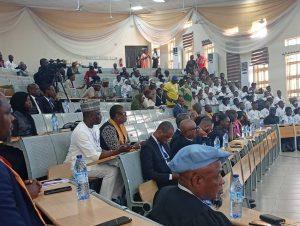
The conference also marked the induction of new members into the Institute of Medical and Health Law, underscoring the growing importance of legal expertise in advancing public health standards.
In their deliberations, participants explored practical measures that would support the Nigerian Government’s ongoing efforts towards enhancing safety in hospitals, faith-based centres, rehabilitation homes, and community health facilities across the country.
Represented by Prof. Okolocha Eugene of the Faculty of Law, University of Abuja, the Chairman of the Nigeria Law Reform Commission, Prof. Dakas C.J. Dakas (SAN) emphasised the need for stronger legal frameworks that protect Nigerians from harmful practices while enabling legitimate religious and health services to thrive.
He noted that while faith-based organisations and traditional centres play important roles in community life, clear guidelines are required to prevent abuses and ensure that service providers operate in line with national laws and ethical standards.
“Freedom of religion is guaranteed in our Constitution, but it must be exercised responsibly and in a manner that does not threaten public health or violate the rights of others,” he stated.

Prof. Dakas called for the adoption of a rights-based and risk-sensitive regulatory framework designed to balance religious freedom with public welfare.
According to him, “compulsory registration and licensing of worship centres, minimum operating standards, routine inspections, and a mandatory reporting system for suspected abuses are essential components of such a framework.”
He explained that such reforms would not only prevent exploitation and unsafe practices but also enable government agencies to work more closely with communities to safeguard human dignity and strengthen national cohesion.
Speaking further, he stressed the importance of prohibiting practices such as forced confinement, corporal punishment, and denial of medical care, actions he described as incompatible with Nigeria’s commitment to human rights and public health protection.
Dean, Faculty of Law, University of Abuja, Prof. Awakwe Abugu, highlighted the need for Nigerians to be more proactive in seeking justice when they experience medical neglect or abuse in healthcare facilities.
Professor Abugu noted that many citizens continue to suffer in silence, a situation that undermines accountability in the health sector.
He said; “Medical negligence should no longer be overlooked or accepted as normal.
“When cases are taken to court, we set a standard that encourages service providers to uphold professionalism and ethical conduct.”
Professor Abugu called for closer collaboration between the legal and medical professions, stressing that bridging these fields is essential for strengthening patient rights and improving service delivery.
He further urged the Ministry of Justice to enhance the capacity of its legal officers to draft and prosecute medical negligence matters effectively.