

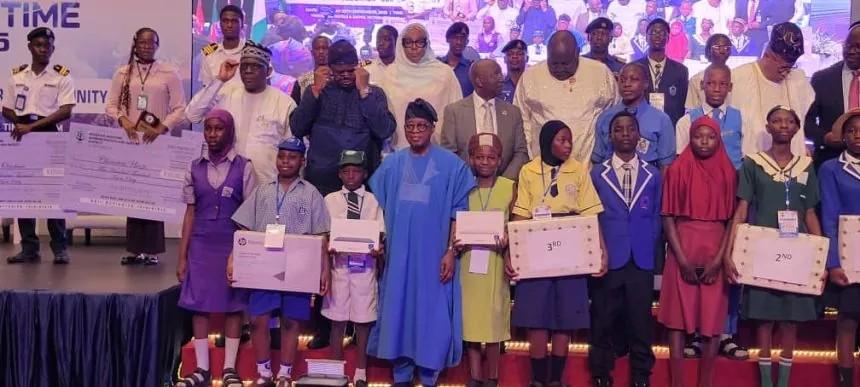
Nigeria’s Minister of Marine and Blue Economy, Adegboyega Oyetola has emphasised the critical importance of ocean stewardship and the vast potential of the blue economy.
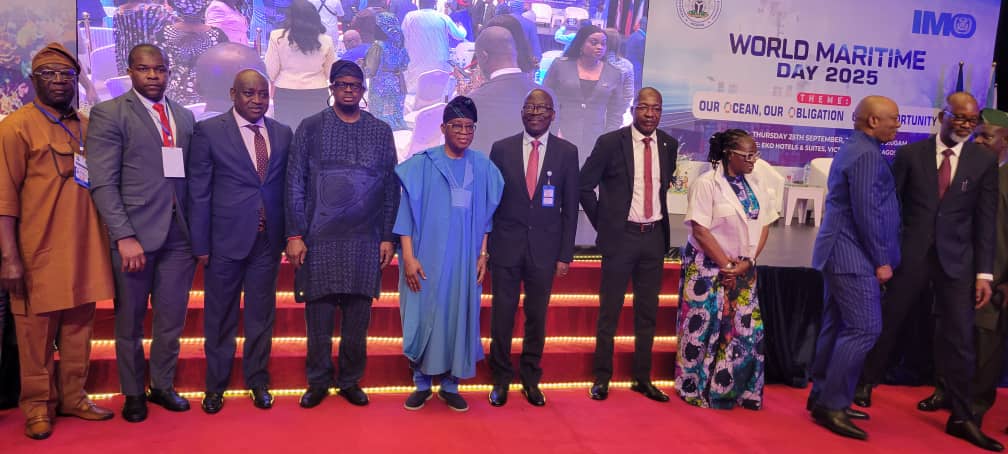
Oyetola delivered the keynote address at the 2025 World Maritime Day celebration, held at Eko Hotel and Suites, Victoria Island, Lagos.
The event, themed “Our Ocean, Our Obligation, Our Opportunity,” echoed the global call by the International Maritime Organization (IMO) to protect marine ecosystems while unlocking sustainable economic growth.
“The ocean produces up to 80 percent of the Earth’s oxygen, supports billions of livelihoods, and carries over 80 percent of global trade.
“Yet it faces mounting threats – from pollution and overfishing to climate change. We must be stewards, not exploiters,”Oyetola noted.
The Minister outlined Nigeria’s strategic efforts to modernise port infrastructure, enforce sustainable fishing practices, and strengthen maritime safety.
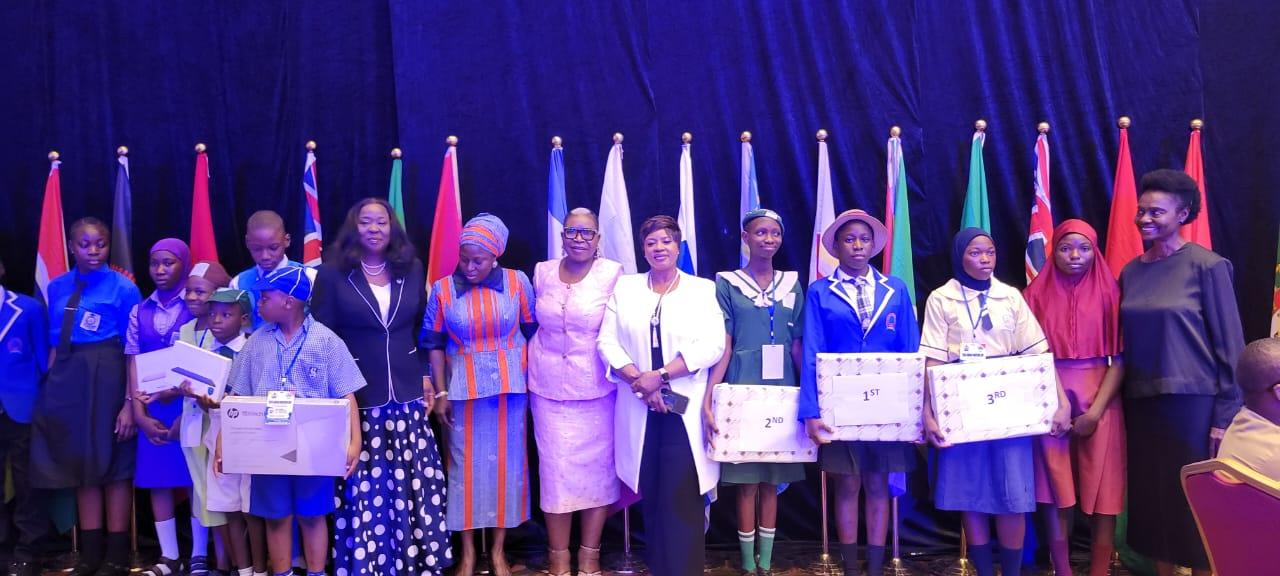
He praised the dedication of agencies under the Ministry and their alignment with President Bola Ahmed Tinubu’s Renewed Hope Agenda.
Highlighting the blue economy as a frontier for innovation, Oyetola pointed to opportunities in renewable ocean energy, marine biotechnology, and aquaculture.
He reiterated the government’s commitment to reducing dependence on oil and gas through bold reforms and international collaboration.
In a significant diplomatic appeal, the Minister invited global partners to deepen cooperation in maritime governance, stating: “Diplomacy is the strongest anchor of the maritime sector. We look forward to working with the international community to advance both Nigeria’s interests and the collective good.”
Oyetola also announced Nigeria’s bid to return to Category C of the IMO Council, citing the country’s longstanding contributions to global maritime policy.
“With broad support already expressed by IMO Member States, we are optimistic about our re-election,” he said.
The celebration concluded with a renewed national pledge to safeguard the ocean and harness its promise for future generations. “Our ocean is our shared legacy,” Oyetola declared. “Our obligation is to protect it. Our opportunity is to transform it.”
Also speaking, the Director General of the Nigerian Maritime Administration and Safety Agency (NIMASA), Dr Dayo Mobereola, underscored the importance of the ocean as the lifeblood of Nigeria and a gateway for over 80 per cent of the country’s trade.
Mobereola highlighted NIMASA’s efforts to combat pollution through its Marine Litter and Plastic Action Plan and stressed the critical need for private sector investment to close the significant funding gap in ocean health and the blue economy.
According to him, “the blue economy remains one of the most underfunded sectors globally, with a $150 billion annual financing gap for Sustainable Development Goal 14, arguing that public funding alone will not be sufficient.”
He added: “The beauty and the diversity of the ocean are not just captivating but continue to inspire us all. The opportunities in the ocean are vast and must be harnessed sustainably – from fisheries and aquaculture, renewable energy, shipbuilding and repair, and tourism, to port infrastructure development, among others.”
Similarly, the Managing Director of the Nigerian Ports Authority (NPA), Abubakar Dantsoho, assured stakeholders of the NPA’s commitment to promoting port eco-friendliness.
Dantsoho, represented by the Executive Director of Marine and Operations, Lekan Badmus, called on stakeholders to move beyond ceremonial celebrations and take concrete action to protect the ocean.
“There is a need for every stakeholder to rise from this celebration with a stronger commitment to take actions that make the ocean cleaner. Indeed, making global port operations eco-friendlier and actualising the other noble objectives of the World Ports Sustainability Programme rests heavily on our shoulders as maritime stakeholders,” he said.
The 2025 World Maritime Day event, which brought together industry leaders, diplomats, and stakeholders, underscored Nigeria’s readiness to play a leading role in shaping the future of maritime governance, both at home and on the global stage.