

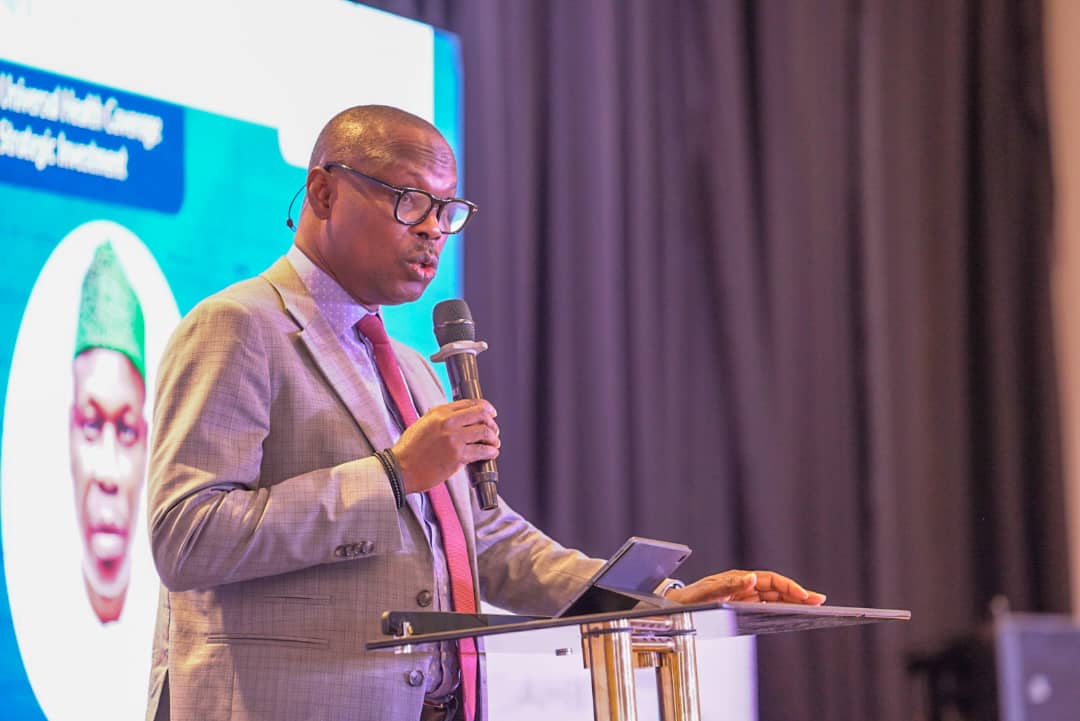
The Honourable Minister of State for Health and Social Welfare, Dr Iziaq Salako, has reaffirmed Nigeria’s unwavering commitment to achieving Universal Health Coverage (UHC), while emphasising the importance of innovation, investment, and collaboration across Africa.
Speaking at the African Health Business (AHB) Symposium held in Abuja, Dr Salako described UHC as not merely a health objective but a fundamental human right and a cornerstone of poverty reduction, economic growth, and sustainable development.
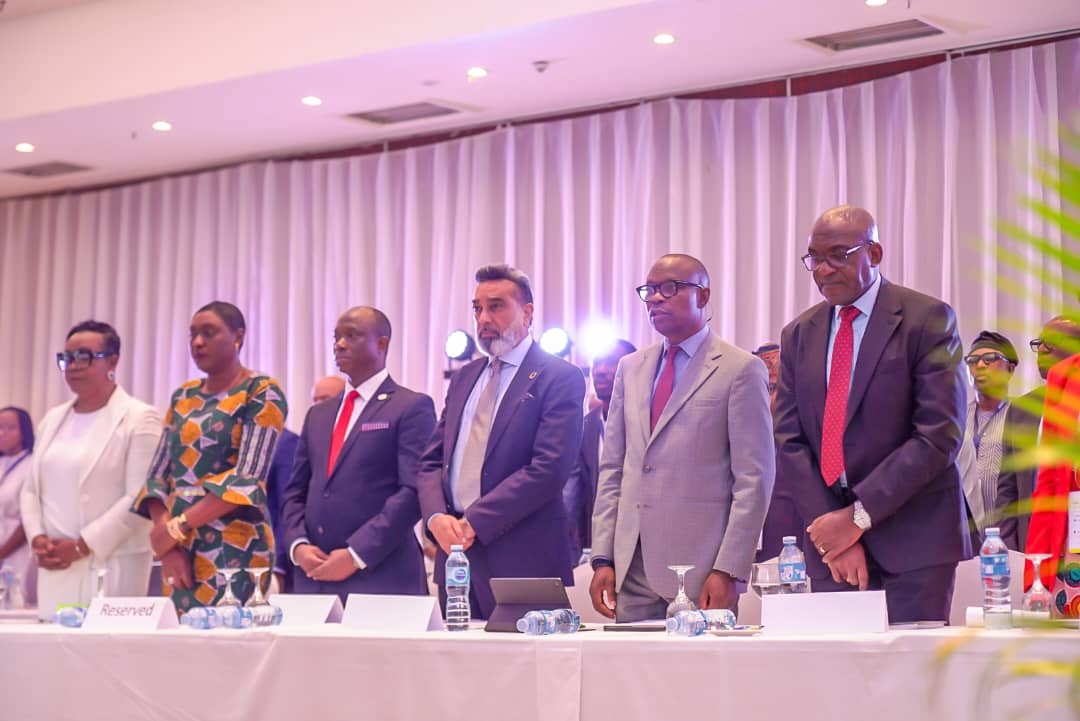
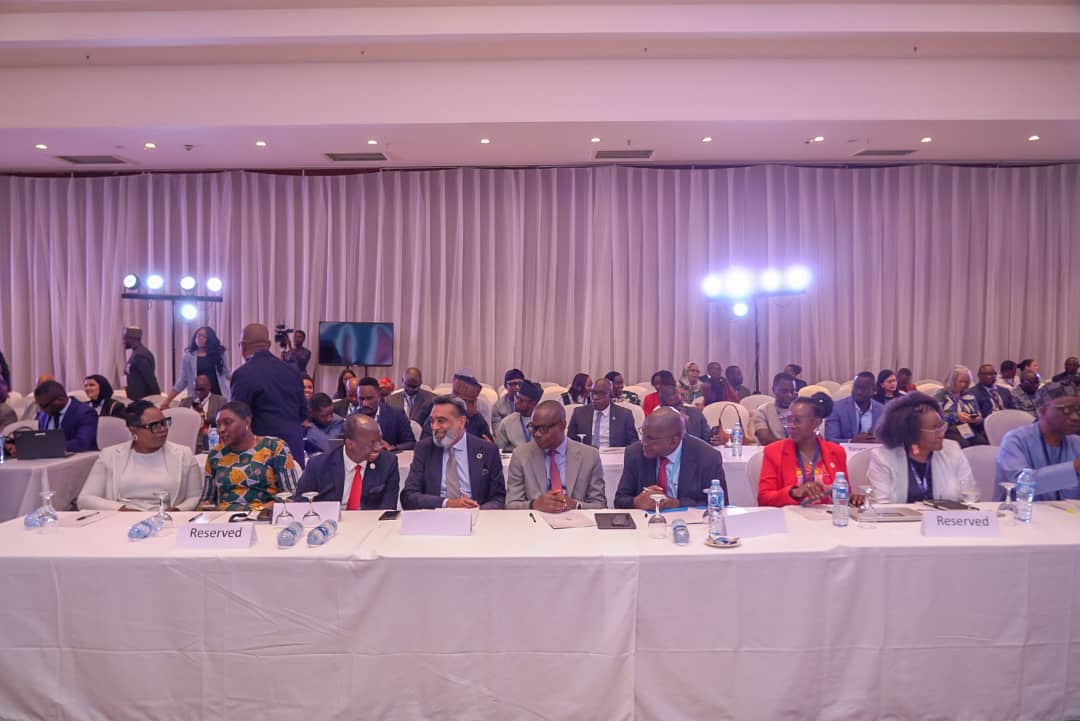
The symposium, themed “Leveraging Innovation to Advance Universal Health Coverage,” served as a high-level platform for policymakers, private sector leaders, and development stakeholders to share strategies on accelerating UHC progress by 2030.
Read Also: Jigawa State Begins Implementation of Health SWAp Initiative
Slow but Steady Progress in Africa
While acknowledging that most African countries have adopted UHC as a strategic objective, Dr Salako expressed concern over the slow pace of progress.
Citing World Health Organization (WHO) data, he revealed that the Service Coverage Index for Africa increased from 23 in 2000 to only 44 in 2021.
“With just five years to 2030, we must multiply our efforts almost tenfold to meet our targets,” he warned.
He urged African countries to restructure their health systems around people-centred Primary Health Care (PHC) models while leveraging innovative financing, governance, and service delivery mechanisms.
“Innovation is not optional; it is the engine to drive us forward,” he added.
Nigeria’s Advancements Toward UHC
Highlighting Nigeria’s own progress, Dr Salako pointed to key reforms such as the National Health Insurance Authority (NHIA) Act, which mandates health insurance for all citizens and legal residents. He also noted increased implementation of the Basic Healthcare Provision Fund (BHCPF).
He reported that all 36 states and the Federal Capital Territory (FCT) now have functioning state-level health insurance agencies, and that Nigeria has witnessed a 15% increase in insurance coverage over the past two years
“Other key achievements include the revitalisation of 17,000 PHCs to level two status by 2027 and the Presidential Initiative to boost local manufacturing of medicines and health products, supported by executive orders removing tariffs and VAT on pharmaceutical inputs.”
Dr Salako also stressed the potential of digital health innovations, including telemedicine, electronic medical records, and AI-driven diagnostics, to expand access to quality healthcare, especially in underserved rural and hard-to-reach areas.
Challenges and a Call to Action
Despite notable progress, the minister acknowledged persistent challenges such as underfunding, high out-of-pocket expenditures, health workforce migration, and infrastructure deficits.
He called for:
- Sustainable financing models;
- Strengthened public-private partnerships;
- Regional and cross-border collaboration.
“As President Bola Ahmed Tinubu always says, Nigeria is open for business. We invite investments that support our drive towards universal access to healthcare,” Dr Salako stated.
He urged participants to translate ideas from the symposium into tangible policies and partnerships that will deliver results.
“Let us build a continent where no one is left behind, where every African can enjoy the right to health and a future of dignity.”