

As the world commemorates 25 years of UN Security Council Resolution 1325, Nigeria, under President Bola Tinubu’s Renewed Hope Agenda, reaffirms its commitment to inclusive peacebuilding and gender-responsive security through full implementation of the Women, Peace and Security agenda.
Adopted on October 31, 2000, the landmark resolution recognises the unique impact of conflict on women and girls and underscores that sustainable peace cannot be achieved without their meaningful participation in peace and security processes.
Third National Action Plan
The Government of Nigeria, through the Federal Ministry of Women Affairs, has developed and validated the Third National Action Plan (NAP 3) on Women, Peace and Security, which is set for official launch soon.
The new plan integrates robust mechanisms for implementation, monitoring, and reporting, and was developed through a multi-sectoral approach that involved government agencies, academia, the media, traditional leaders, communities, and civil society organisations, thereby strengthening inclusivity, legitimacy, and ownership across all levels.
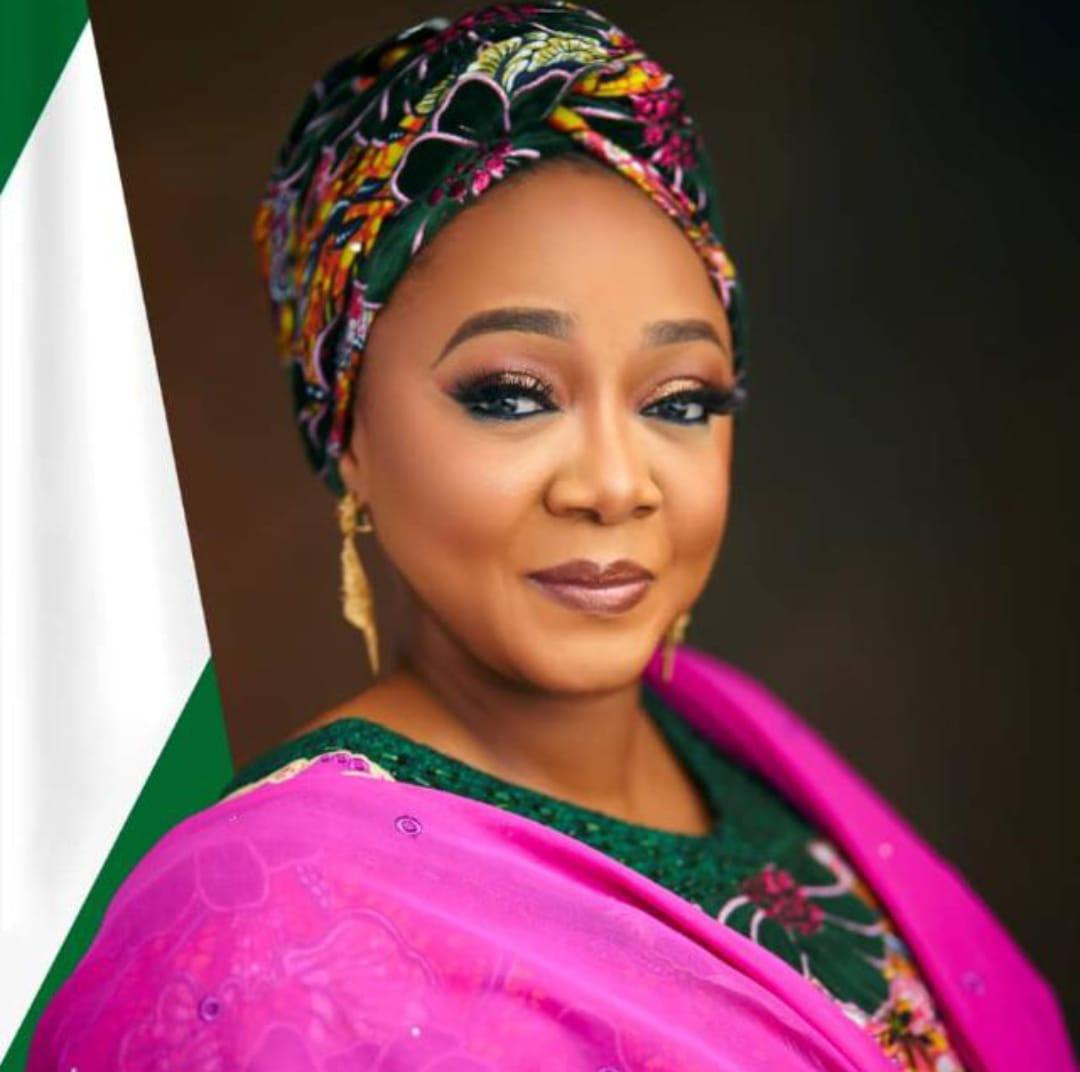
Reaffirming Nigeria’s dedication to gender-responsive peacebuilding, the Minister of Women Affairs and Social Development, Hajiya Imaan Sulaiman-Ibrahim, emphasises that “our shared future depends on the inclusive peace we build today.”
She describes women’s leadership in peace processes as “not optional but essential”, stating that :
“President Bola Ahmed Tinubu, GCFR, has graciously approved the Third National Action Plan on Women, Peace and Security, reinforcing Nigeria’s dedication to inclusive peace-building and gender-responsive security.”
UN Women Reaffirms Global Mandate
UN Women notes that gender equality is not a favour to women but a prerequisite for peace. In a statement reflecting on 25 years of UNSCR 1325, it stressed that when women lead, peace follows.
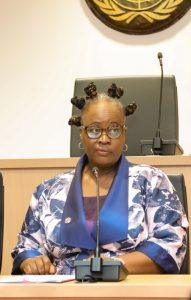
The UN Women Country Representative to Nigeria and ECOWAS, Beatrice Eyong, reaffirmed UN Women’s global commitment to the Women, Peace and Security agenda, describing it as a “blueprint” for inclusive governance and sustainable peace.
Eyong agrees that while Nigeria has made significant progress through successive National Action Plans, there is an urgent need to scale up financing and institutional support for grassroots women’s peacebuilding networks, particularly in conflict-affected areas.
“Empowering women mediators is crucial as evidence shows that when women participate in peace processes as negotiators, mediators, signatories, and witnesses, the probability of an agreement lasting at least 15 years increases by 35 per cent.” She added
UN Women National Programme Officer on WPS Amina Akano-Bello, said Nigeria has so far implemented two National Action Plans (NAP) and currently 16 states and 22 local government areas have localised the NAP; thereby expanding opportunities for women-led mediation and peacebuilding in Nigeria.
“Strategic actions must be taken to ensure women’s meaningful representation and participation in peace processes, including mediation and negotiation, as prescribed by the United Nations Security Council Resolution 1325 on Women, Peace and Security, unanimously adopted in 2000.” She said
Progress and Imperatives
Since adopting its first National Action Plan in 2013, Nigeria has progressively integrated women into peacebuilding, mediation, and security sector reform.
The soon-to-be-launched third NAP builds on this foundation while aligning with the Beijing+30 Agenda, which calls for the full financing of gender equality and peace initiatives.
Despite notable progress, challenges persist in the area of women’s representation in governance, thus pushing for the passage of the Reserved Seats Bill.
Minister Sulaiman-Ibrahim notes that women currently occupy only 4.7% of elected legislative positions at the federal and state levels, a figure that underscores the urgent need for stronger policy frameworks to enhance women’s participation in governance, mediation, and peace processes.
Way Forward
Stakeholders agree that the Women, Peace and Security (WPS) framework remains both a national priority and a moral imperative for sustainable development.
The Third National Action Plan (NAP 3) is anchored on four foundational pillars;
Prevention, Protection, Participation, and Relief & Recovery — each addressing distinct aspects of peace and security through a gender lens.
Under Prevention, the plan seeks to tackle root causes of conflict and gender-based violence, while Protection focuses on safeguarding the rights and dignity of women and girls in conflict and post-conflict situations.
The Participation pillar promotes women’s leadership and inclusion across governance, peacebuilding, and security structures, while Relief and Recovery embodies women’s access to livelihood support, humanitarian aid, and rehabilitation in crisis-affected areas.
A UN Women statement titled “How to end wars: Invest in the Women, Peace and Security agenda” validates these, thus:
“When women are at the negotiating table, peace is likelier, more inclusive and more durable. But 25 years after the launch of the Women, Peace and Security agenda – when world leaders acknowledged war’s horrific impacts on women and girls, and enshrined women’s right to equal participation in peace processes – governments are failing to fulfil their obligations”
It stressed that progress is made when more women participate in peace processes, with more women receiving relief from major cities to the most remote villages.
“We will see progress when nations support WPS not just as policy, but as a growing social movement that reaches across generations.
When women lead, peace follows. But as women speak out, will world leaders listen?” It added.
Conclusion
As Nigeria joins the international community to commemorate 25 years of UNSCR 1325 and 30 years of the Beijing Declaration, the call to action remains urgent and clear: “without women, peace cannot last.”
When women lead, nations rise; when their voices shape decisions, peace becomes possible.
Through the validation of the Third National Action Plan, Nigeria has once again demonstrated leadership, foresight, and resilience, reaffirming its position as a champion of the Women, Peace and Security agenda in Africa and beyond.
Olusola Akintonde