

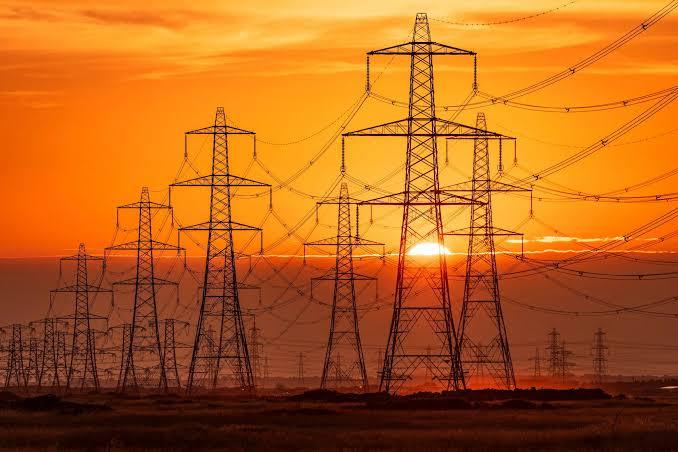
Nigeria has recorded a major advancement in regional energy integration following the successful execution of a full-scale grid synchronisation test with the West African Power Pool (WAPP).
Minister of Power, Adebayo Adelabu announced the breakthrough during a media briefing in Abuja.
The landmark test, conducted on 8 November 2025, marked the first time in history that Nigeria’s electricity grid operated in a unified and stable configuration with the interconnected West African sub-region.
The synchronisation, which ran for four uninterrupted hours from 05:04 a.m. to 09:04 a.m., enabled seamless power flow between Nigeria, along with its connected lines to Niger Republic, Benin and Togo, and the wider WAPP network covering Ghana, Côte d’Ivoire, Burkina Faso, Liberia, Sierra Leone, Guinea, Senegal, The Gambia, Guinea Bissau and Mali.
A Regional Milestone
Adelabu noted that this is the first successful large-scale synchronisation since 2007, when a similar attempt collapsed after just seven minutes.
He said; “the 2025 success was driven by strengthened technical capacity, improved system monitoring, harmonised operating procedures, and real-time coordination between the Nigerian Independent System Operator (NISO) and the WAPP Information and Coordination Centre.’
“This achievement ranks among the most significant milestones in the history of WAPP,” Adelabu said.
He further said that it proves West Africa is “now technically capable of operating as a unified power bloc.”
Boost for Grid Stability
The Minister explained that “full regional integration, once permanently established, would improve Nigeria’s grid stability by enabling cross-border support during shortages and allowing Nigeria to export power when capacity permits.”
He said the test strengthens confidence in Nigeria’s technical competence despite ongoing challenges such as gas shortages and vandalism.
According to him, the development positions Nigeria as a credible player in the emerging West African Electricity Market, unlocking opportunities for competitive energy trade, foreign exchange earnings and greater private sector investment.
Independent power producers, he noted, are more likely to invest in markets with regional stability and guaranteed off-take arrangements.
Adelabu explained that the long-term benefits will be felt domestically through improved electricity reliability, which underpins hospitals, water infrastructure, digital networks and industrial operations.
“Ongoing transmission projects such as the North-Core line, Ajegunle 330 kV Substation, Kaduna Kano upgrades and the Gwagwalada Gurara connection are expected to enhance the benefits of regional integration once fully completed,” he said.
The Minister cautioned that synchronisation is not an immediate solution to all challenges within the Nigerian Electricity Supply Industry, describing it instead as a ”foundational step toward long-term sustainable improvement.”
He stressed the need for continued investment, stricter regulation, improved maintenance culture, reliable gas supply and deeper regional collaboration.
“This achievement marks a new chapter in Nigeria’s electricity sector.
“Our system is now aligned with international standards and positioned to advance into an era of stability, collaboration and economic opportunity.”
NISO
In his opening remarks, the Managing Director of the Nigerian Independent System Operator, Abdu Mohammed-Bello (name repeated as originally provided), said the engagement marked a major milestone in the organisation’s operational takeoff as an independent and neutral system and market operator.
He outlined NISO’s mandate to ensure open access to the transmission grid, administer the market transparently and enforce compliance with the Market Rules, Grid Code and related regulatory standards.
Mohammed-Bello also highlighted the recent successful synchronisation with the WAPP system, commending the Ministry of Power, NERC, TCN, Gencos, DisCos, gas suppliers and other stakeholders for enabling “four uninterrupted hours of harmonised regional grid operations.”
He said “the achievement positions Nigeria as a regional power hub, opening new opportunities for electricity trading and foreign exchange earnings.’
The NISO chief reaffirmed that the success of the evolving power market depends on transparency, neutrality, strict adherence to rules and strong multi-stakeholder cooperation.
He called on policymakers, regulators, operators and development partners to sustain collaboration as Nigeria moves toward a more accountable, reliable and competitive electricity sector.
The forum, themed “Building a Resilient and Competitive Electricity Market The Role of NISO”, seeks to deepen collaboration, strengthen operational discipline, address vulnerabilities in grid and market operations and build consensus on reforms needed to enhance investor and consumer confidence.