

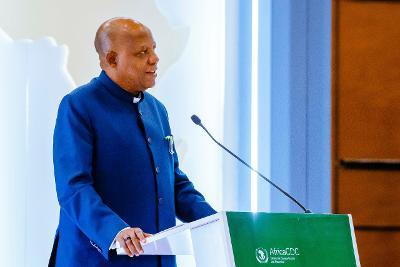
Nigeria has called for a continental shift towards health security sovereignty in Africa aimed at moving the continent from reliance on foreign aids to self-sufficient, homegrown health systems.
Vice President Kashim Shettima made the nation’s position known on Friday during a high-level side event on “Building Africa’s Health Security Sovereignty,” on the margins of the 39th Ordinary Session of the Assembly of Heads of State and Government of the African Union (AU) in Addis Ababa, Ethiopia.
This, the Vice President said, has become a matter of necessity to ensure the health of Africans is not subjected to the uncertainties of distant supply chains or the shifting priorities of global panic.
The Africa health security and sovereignty initiative is a collaboration between the Nigerian government and the Africa Centre for Disease Control and Prevention, to mobilise investment in the health workforce, community health and sustainable immunisation programmes.
Continental Partnerships
The Nigerian Vice President reaffirmed Nigeria’s readiness to partner with other African nations to build a continent that is capable of healing itself.
“Nigeria stands ready to collaborate with every member state of our Union to make health security sovereignty measurable in factories commissioned, laboratories accredited, health workers trained, counterfeit markets dismantled and insurance coverage expanded.
“When history reflects on this generation of African leadership, may it record that when confronted with vulnerability, we chose capacity; when confronted with dependence, we chose dignity; and when confronted with uncertainty, we chose cooperation. And in choosing cooperation, we built a continent that could heal itself,” he declared.
VP Shettima cautioned against the consequences of vulnerability, recalling that during global health emergencies like the COVID-19 pandemic when the world turned inward, Africa waited, improvised and negotiated for rationed vaccines and scarce oxygen.
Acknowledging that there is dignity in endurance, the Nigerian Vice President noted however, that endurance is not a strategy, as “leadership is measured not by how long vulnerability can be withstood, “but by how deliberately we reduce it. 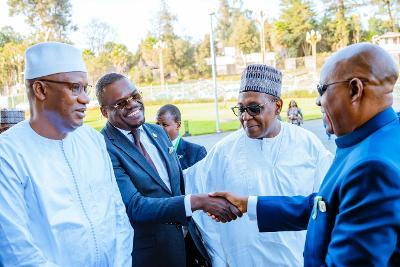
“Health security is national security, and in an interconnected continent, national security is continental security. A virus, as we have witnessed, does not carry a passport. A counterfeit medicine does not respect a border. A pandemic does not wait for bureaucracy,” he stated.
VP Shettima outlined measures being adopted by Nigeria to tackle health challenges, saying the nation is currently treating health matters seriously under the leadership of President Tinubu.
Local Manufacturing
He pointed out that the nation is focusing on boosting local manufacturing of pharmaceuticals, increasing domestic health financing, and strengthening regulatory oversight through various initiatives such as the Nigeria Health Sector Renewal Investment Initiative and Presidential Initiative to Unlock the Healthcare Value Chain (PIPUHVAC).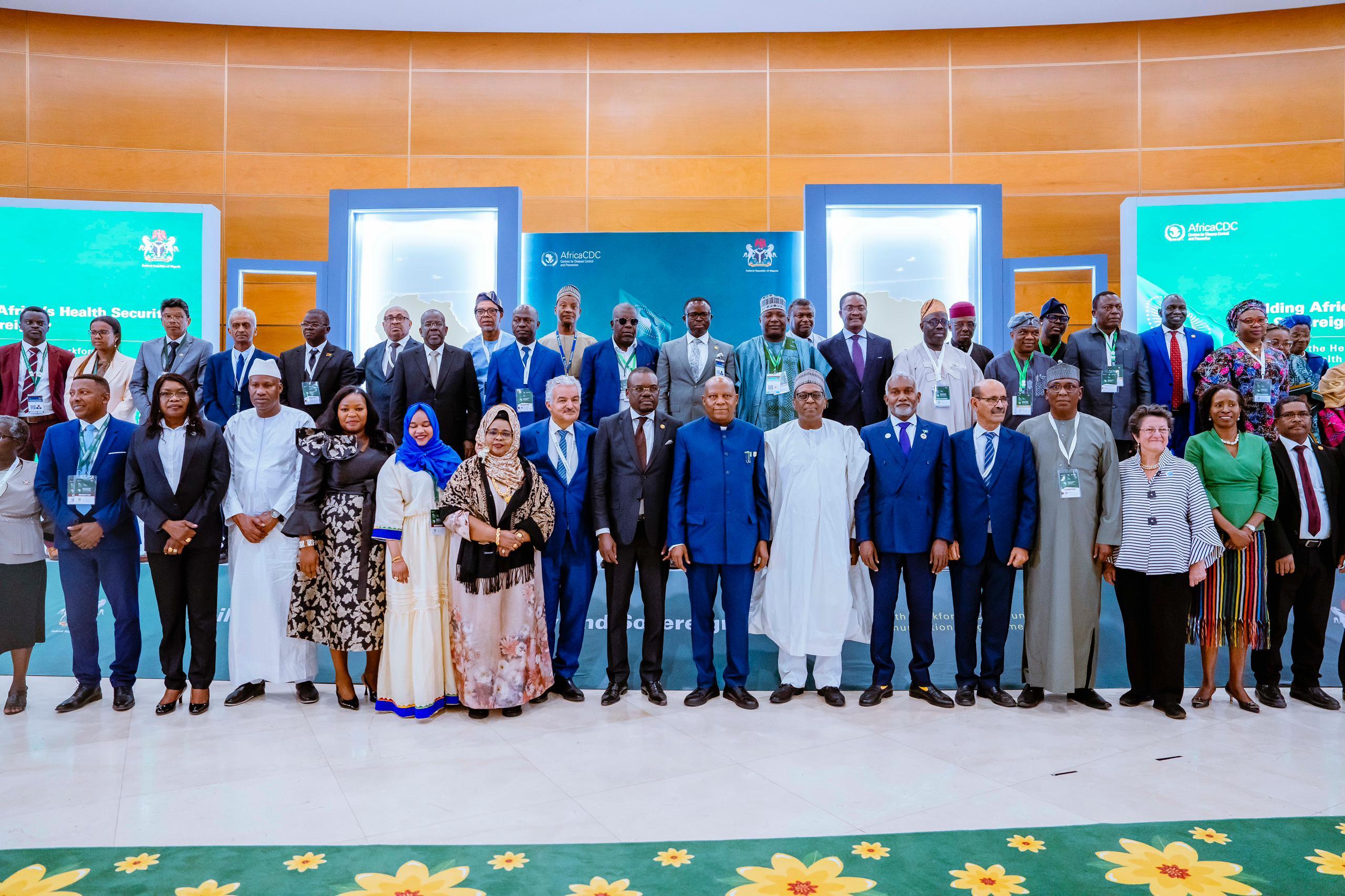
The Vice President attributed Nigeria’s success in responding swiftly to disease outbreaks that had overwhelmed the world to strengthen epidemic intelligence and emergency preparedness.
He said because time is currency in public health, the country is enhancing laboratory networks, expanding genomic surveillance, and reinforcing coordination at its emergency operations centres through the Nigeria Centre for Disease Control and Prevention.
Beyond public systems, the Vice President stated that the nation is unlocking its healthcare value chain through the establishment of the presidential initiative to unlock the Healthcare Value Chain.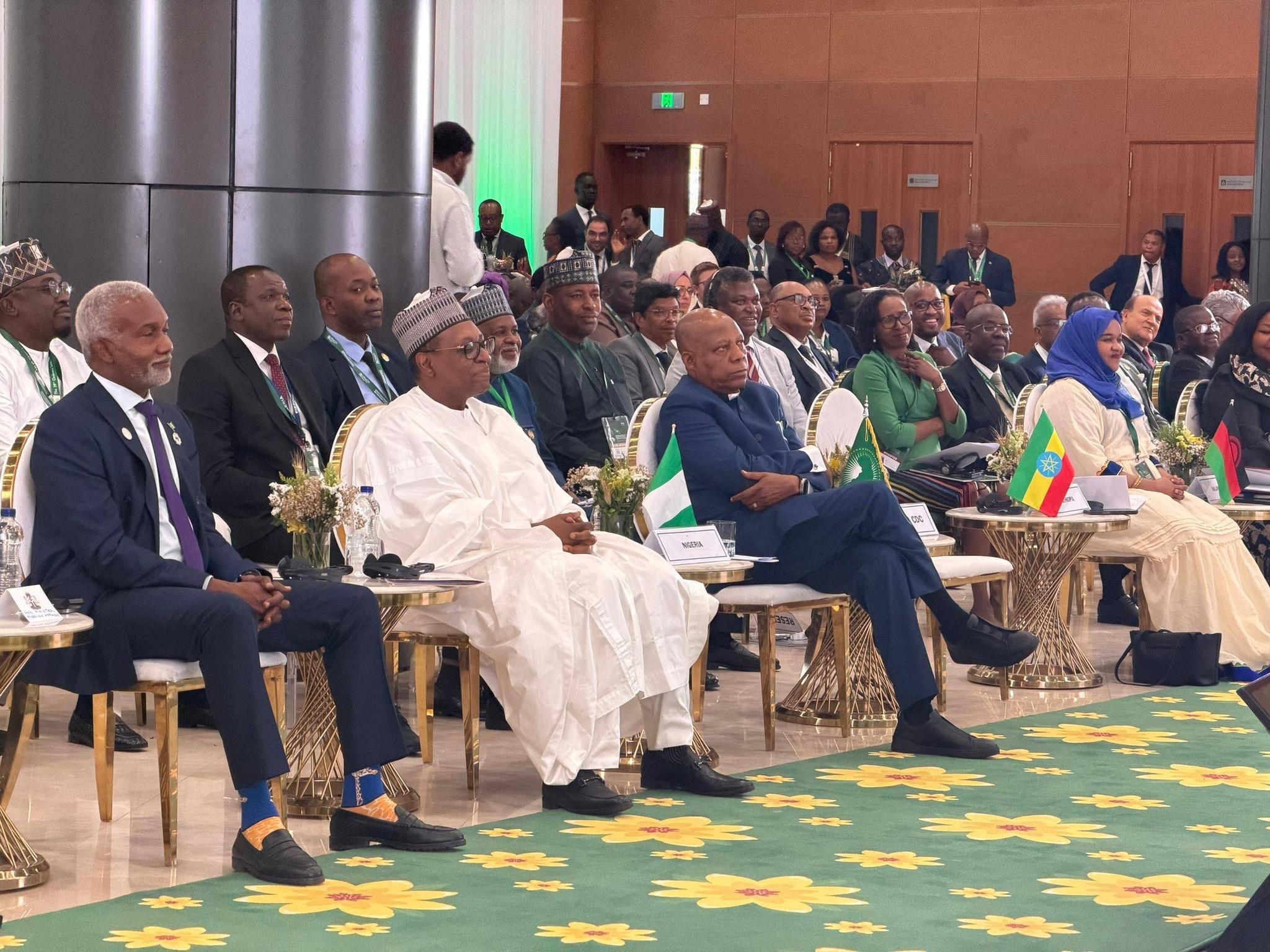
Nigeria’s Minister of Health and Social Welfare, Professor Muhammad Pate, said Nigeria under President Tinubu is committed to leading by example by boosting capacity building initiatives for the health workforce in Nigeria and beyond and turning ambition into reality.
Reliable Workforce
Professor Pate spoke about several initiatives of the Nigerian government aimed at building a reliable health workforce database, boosting the workforce capabilities to handle complex situations, all in the bid to assist stakeholders bridge gaps in the rural-urban divide in the distribution of health workers across Nigeria.
The Director General of the Africa Centre for Disease Control, Dr Jean Kaseya, highlighted the trend in the distribution of health workforce across Africa.
He commended Nigeria’s leadership in the area through healthcare reforms especially in building resilience and boosting immunization programmes.
In separate remarks, the Ministers of Health of the Republic of Senegal, Dr Ibrahim Sy; Republic of Malawi, Madalisto Baloyi; and the Federal Republic of Ethiopia, Dr Mekdes Daba, were unanimous in their alignment and support for the programme.
They pledged the commitment of their various countries to synergizing efforts and internalising new initiatives aimed at boosting investment in building workforce databases in the health sector as well as strengthening health systems at the community levels.