


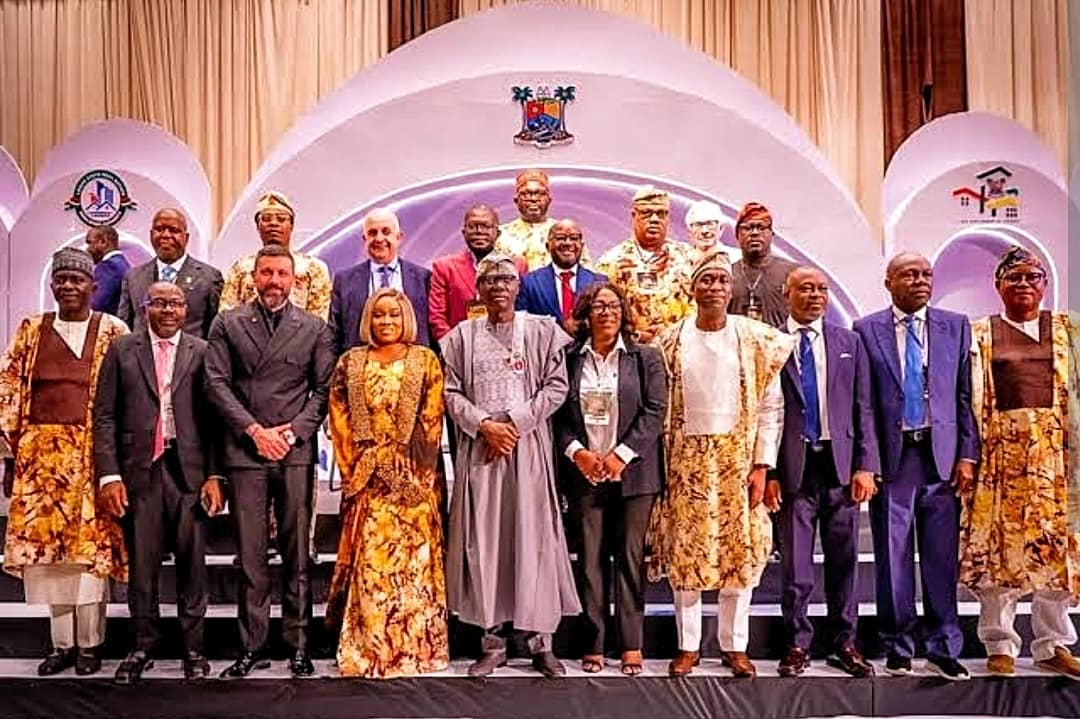
African leaders have been urged to strengthen unity, peace and strategic collaboration to unlock the continent’s vast economic potential.
This call was made as Nigeria showcased its investment opportunities at the 6th Lagos Real Estate Marketplace Conference and Exhibition.
During the conference in Lagos, the Adviser on Political Affairs to the Kenyan President, Karisa Nzai, commended Nigeria’s investment climate, hospitality and economic outlook.
Nzai described Lagos as a prime destination for global investors if its strengths are properly projected to the international community.
According to him, Nigeria possesses abundant natural resources and human capital that remain under-marketed globally.
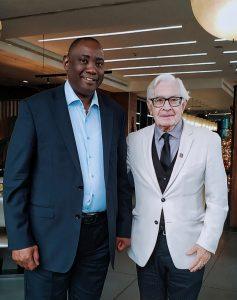
“The atmosphere in Nigeria is impressive. The people are welcoming, and Lagos is truly remarkable. Nigeria has oil, seashores, seaports and massive human potential. What is needed is to tell the world clearly what Nigeria has. If you don’t sell what you have, people won’t buy,” Nzai said.
He urged African cities to learn from one another and reduce barriers to cross-border investment between markets such as Lagos and Nairobi.
Nzai highlighted the role of small and medium enterprises in driving real estate growth, stressing the need to empower local developers and artisans through access to credit and formal recognition.
He also called for housing solutions tailored to Africa’s growing youth population, focusing on functional and technology-enabled developments rather than luxury projects.
Deeper Partnerships
Describing Eko Atlantic City as an exceptional development, Nzai called for deeper partnerships between Nigeria and Kenya, particularly in tourism, which he identified as a major driver of national development.
“When you sell your country to tourists, they will come and invest. Nigeria has population and energy. Africa has lessons for the world, and I have personally learned a lot from being here,” he stated.
Nzai further stressed that peace and stability remain critical foundations for growth, urging African leaders to fight corruption, uphold good governance and pursue shared development goals to attract sustained investment.
9The conference featured a strong international presence, reinforcing Lagos’ growing integration into the global property market.
Foreign Speakers
Among the foreign speakers was Carlos Souza, an international real estate and finance expert, who spoke on the digital transformation of the real estate sector.
Souza emphasised the need for blockchain-backed land registries and transparent digital payment systems, noting that investor confidence depends heavily on data security and transaction efficiency.
Another international real estate and finance professional, Thomas Nivert, called for greater standardisation in property valuation, construction quality and transparency to attract institutional investors.
He underscored the role of prop-tech, including asset tokenisation and digital due diligence, in improving trust and liquidity in the Lagos property market.

Nivert also described Lagos as a gateway city to Africa’s real estate market, commending the regulatory efforts of the Lagos State Real Estate Regulatory Authority (LASRERA) as a foundation for investor confidence.
Describing Nigeria as a country of vast opportunity, Nivert expressed surprise at the level of hospitality and infrastructure he experienced during his first visit.
“This is my first time in Nigeria, and I am impressed by the hospitality and quality accommodation. France is open to collaborating with Nigeria in business and investment,” Nivert said.
He disclosed plans to explore housing development opportunities through partnerships with local developers, including the provision of credit to support efficient housing finance.
“This is a good time to invest in Nigeria. The market is active, and we are here to understand how the real estate sector works, who the key players are, and the existing constraints,” he said.
Founder and Group CEO of the UAE-based Andalusia Group, Saleh Tabakh, dismissed negative perceptions of Nigeria often seen online, describing the country as safer and more welcoming than portrayed.
“Nigeria is safer than the projections we see online. Since I arrived in Lagos, I have felt secure among very hospitable people. Nigerians need to project their country positively. When you speak well of your country, investors will come,” Tabakh said.

He described Nigeria as a “hidden treasure” with vast, untapped potential that has not been fully communicated to the global investment community.
Tabakh stressed that real estate remains a key pillar of economic growth, citing Dubai as an example of a resilient property market.
He described Lagos as a premier destination for international capital, praised the rapid transformation of the city’s skyline and confirmed growing interest from Middle Eastern investors in infrastructure and real estate partnerships.
While commending visible growth, he stressed the importance of aligning development with affordability, sustainability and inclusiveness.
The conference, which was organised by the Lagos State Real Estate Regulatory Authority (LASRERA), had as its theme, “Shaping the Future of Lagos Mega City: Infrastructure Investment, Innovation and Affordable Housing.”
In his keynote address, Governor Babajide Sanwo-Olu reaffirmed Lagos’ position as Africa’s leading investment destination, noting that the state has moved from policy commitments to tangible delivery.
He highlighted sustained investments in rail, road and water transportation infrastructure as critical to real estate growth and urban expansion.
New Tenancy Bill
A major policy focus at the conference was the ongoing review of the New Tenancy Bill by the Lagos State House of Assembly.
Stakeholders were informed that the bill is intended to balance landlord and tenant interests, improve professional standards and reduce disputes and fraud in the real estate sector.
Governor Sanwo-Olu and the Special Adviser on Housing, Ms. Barakat Odunuga-Bakare, also emphasised that government alone cannot address Lagos’ housing deficit and called for deeper public-private partnerships, improved land optimisation and technology-driven land administration to unlock affordable housing opportunities.
Participants agreed that while Lagos faces a significant housing deficit, it also represents one of Africa’s largest real estate opportunities.
The consensus was that continued regulatory reform, infrastructure investment, digital land administration and regional collaboration could unlock substantial long-term capital and position Lagos as a leading global frontier market for real estate investment heading into 2026.
The conference attracted over 2,000 participants, including local operators and investors from the Middle East, Asia, Europe and North America.