

The Federal Ministry of Health and Social Welfare has emphasized the importance of strengthening oxygen access at the Primary Healthcare (PHC) level as a critical step towards achieving Universal Health Coverage (UHC) and enhancing health security in Nigeria.
Dr. Jimoh Salaudeen, Director of Hospital Services, and Dr. Shetak Gilbert, Head of Patient Safety and Oxygen, made the call during a session at the Africa Primary Health Care Forum (APHCF) held on Tuesday in Abuja.
The theme of the forum was “Reimagining Primary Health Care for Universal Health Coverage and Health Security in Africa.”
Read More:Nigeria Government Reaffirms Commitment To Strengthening Health Sector PPPs
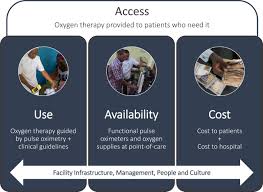
Salaudeen stressed that in spite of the heavy investment in oxygen infrastructure across Nigeria, many hospitals still lacked functional oxygen delivery at the bedside, leaving critically ill patients without life-saving therapy.
“We have seen facilities with oxygen plants and tanks, but no oxygen at the point of care due to failed logistics systems.
“It is the most frustrating thing to witness. Oxygen is available but inaccessible, and people die as a result,” he said.
Salaudeen described this disconnect as a major failure of the health system and called for systemic reforms.
The Director of Hospital Services recommended the inclusion of oxygen therapy under the National Health Insurance Authority (NHIA) to improve affordability.
Salaudeen also called for the standardisation of hospital architectural design to mandate piped oxygen supply in all new PHC and tertiary facilities, as well as periodic assessment of oxygen quality at the facility level, especially where concentrators or cylinders were used.
He commended Anambra State’s policy banning the purchase of oxygen from unregulated roadside vendors, stating that the government would look into adopting a national policy that mandates sourcing oxygen only from certified and traceable suppliers.
In his intervention, Gilbert reinforced the urgent need to institutionalise oxygen access at the PHC level, particularly in rural and hard-to-reach areas.
“Oxygen therapy, supported by pulse oximetry is not a luxury. It is the foundation of emergency and critical care.
“Primary healthcare centres are the first point of contact. If we fail to equip them with oxygen systems, we fail at saving lives,” he said.
Gilbert also called for a national mapping of biomedical engineering capacity to ensure the sustainable maintenance of oxygen infrastructure.
In addition, he advocated for making a piped oxygen supply a policy requirement for all hospital construction and rehabilitation projects.
He reiterated the need for budgetary provision in the 2026 federal budget to ensure that every tertiary hospital was equipped with both an oxygen plant and a backup liquid oxygen source.
Meanwhile, stakeholders at the forum warned that Nigeria currently relied on a single liquid oxygen supplier, putting the entire country at risk should that supplier halt operations.
They also decried the 45 per cent import duty on oxygen cylinders, which remained classified as cooking gas cylinders by the Nigeria Customs Service, in spite of it been a life-saving medical equipment not manufactured locally.
They also said that it was a serious barrier and needed urgent exemption for medical-grade oxygen cylinders from import duties.
The news reports that the forum closed with a unified commitment from the ministry and stakeholders to optimise oxygen investments, ensure they reach frontline health workers, and guarantee that no patient suffers hypoxemia due to poor logistics or policy failures.